Umbilical Hernia Treatment in Bangalore
Introduction
An umbilical hernia occurs when a portion of the intestine or fatty tissue protrudes through a weak spot in the abdominal muscles near the navel, causing a visible swelling at the belly button. While it is common in infants, umbilical hernia in adults is also seen, especially among women, due to pregnancy-related pressure.
Patients may notice a soft bulge near the belly button along with discomfort during coughing, bending, or lifting. Early diagnosis is important because effective treatment options for umbilical hernias are available. Timely care at Sparsh Hospital helps prevent complications and ensures safe recovery.
What is an Umbilical Hernia?
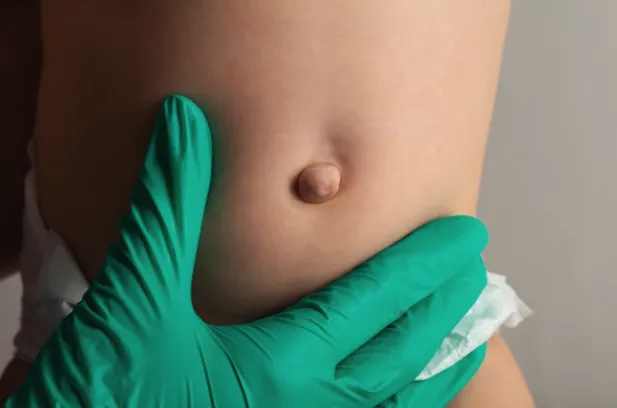
An umbilical hernia is a condition characterised by a bulge or swelling near the navel, caused by the protrusion of abdominal contents through a weak spot in the abdominal wall. It is more frequently observed in newborns and infants, often resolving on its own as the abdominal muscles strengthen. However, umbilical hernia in adults is also common, especially due to factors like pregnancy, obesity, or heavy lifting.
It refers to a hernia located at the umbilical region of the abdomen, a natural weak spot where the umbilical cord once connected. This condition is usually harmless but may require treatment if symptoms persist or complications develop.
Umbilical Hernia Symptoms
Recognising the symptoms of an umbilical hernia helps in early diagnosis and treatment. These symptoms can vary from mild to severe depending on the condition.
Common Symptoms
The most noticeable sign is swelling or a visible bulge at the belly button. This bulge often becomes more prominent when standing, coughing, or straining. In some cases, it may reduce or disappear when lying down. This visible bulge is one of the earliest and most common umbilical hernia symptoms, making it easier to identify in both adults and children.
Pain Symptoms
Many individuals experience discomfort around the navel, known as umbilical hernia pain. The pain may feel like pressure, pulling, or aching and can worsen during physical activity or prolonged standing. These umbilical hernia pain symptoms are usually mild initially but may increase if the hernia enlarges.
Symptoms in Women
Umbilical hernia in women may become more noticeable during pregnancy due to increased abdominal pressure. Common umbilical hernia symptoms in female patients include a larger bulge and discomfort during daily activities.
Severe Symptoms
Severe symptoms include persistent pain, nausea, vomiting, or difficulty passing stools. These may indicate complications such as obstruction or strangulation and require immediate medical attention.
What Causes Umbilical Hernia?
The causes of umbilical hernia vary based on age, lifestyle, and medical conditions. Understanding why an umbilical hernia occurs can help in prevention and timely treatment.
Causes in Adults
In adults, increased abdominal pressure is a major factor. Conditions like obesity and frequent heavy lifting weaken abdominal muscles over time. This makes individuals more prone to developing an umbilical hernia, especially when strain is repetitive or unsupported.
Causes in Women
The causes of umbilical hernia in women are often linked to pregnancy. Increased abdominal pressure, especially during multiple or late pregnancies, stretches and weakens the abdominal wall. Hormonal changes may also contribute to reduced muscle strength.
Medical Causes
Certain medical conditions, such as ascites (fluid accumulation in the abdomen) or previous abdominal surgeries, can weaken muscles and increase the risk of hernia formation.
Lifestyle Causes
Lifestyle factors such as chronic coughing, constipation, and poor lifting techniques can increase abdominal pressure over time, contributing to hernia development.
Umbilical Hernia in Adults vs Children
Umbilical hernia in adults and children differs in cause, severity, and treatment approach. In infants, the condition is usually congenital and often resolves on its own as the abdominal muscles strengthen.
However, in adults, hernias are typically caused by muscle weakness and increased abdominal pressure, requiring closer monitoring. Unlike children, adults are more likely to need surgical intervention, especially if symptoms worsen or complications arise.
Early diagnosis at Sparsh Hospital ensures appropriate treatment and prevents long-term complications.
Umbilical Hernia in Women
Umbilical hernia in women is commonly associated with pregnancy and increased abdominal pressure. The causes of umbilical hernia in women include multiple pregnancies, hormonal changes, and weakened abdominal muscles.
Common umbilical hernia symptoms in female patients include a visible bulge, discomfort, and pain during movement or lifting. Early evaluation is important, especially during or after pregnancy, to prevent complications and determine the need for treatment.
Umbilical Hernia Treatment
The approach to umbilical hernia treatment depends on factors like the size of the hernia, symptoms, and the risk of complications.
1. Observation
- For small, painless hernias in children, doctors may recommend monitoring as they often close on their own by age 3–4.
2. Medications and Support
- Pain relievers for symptom management.
- Supportive belts may be advised in mild cases.
3. Umbilical hernia surgery
- Recommended for hernias in adults or larger hernias in children that do not resolve naturally.
- The umbilical hernia surgical procedure involves repairing the abdominal wall using sutures or mesh reinforcement to prevent recurrence.
4. Lifestyle Adjustments
- Maintaining a healthy weight.
- Avoiding heavy lifting and managing chronic conditions like coughing or constipation.
When to See a Doctor?
Seek immediate medical attention if you experience:
- Severe pain or tenderness in the hernia area.
- Redness, swelling, or signs of infection around the bulge.
- Nausea, vomiting, or inability to pass stools—potential signs of obstruction or strangulation.
Residents of Bangalore seeking an umbilical hernia doctor are welcome to visit SPARSH. Here, you can consult some of the General Surgeon in Bangalore for personalised care. We are well known as a General Surgery Hospital in Bangalore.
Umbilical Hernia Treatment Cost in Bangalore
The cost of umbilical hernia treatment in Bangalore depends on the severity of the condition, the type of surgery, and the hospital facilities. Consultation, diagnostic tests, and surgical approach may influence the overall expense.
At Sparsh Hospital, patients receive expert evaluation, advanced treatment options, and transparent pricing to ensure safe, effective, and affordable care for umbilical hernia management.
Conclusion
An umbilical hernia is a manageable condition, but recognising its symptoms and seeking timely treatment are critical. While many cases are harmless, untreated hernias can lead to complications requiring surgical intervention. Maintaining a healthy lifestyle and addressing the underlying causes can help prevent and support recovery.
FAQ’s
How serious is an umbilical hernia?
While most are harmless, complications like strangulation or obstruction can make it a serious condition requiring surgery.
How do you treat an umbilical hernia?
Treatment options include observation for minor cases and umbilical hernia surgery for symptomatic or larger hernias.
How to fix an umbilical hernia without surgery?
Small hernias in children often close naturally. For adults, lifestyle changes and supportive measures may help manage symptoms, but do not cure the hernia.
Is an umbilical hernia curable?
Yes, an umbilical hernia is curable. While some cases in children resolve naturally, adults usually require surgical treatment to permanently repair the abdominal wall defect.
What are the 5 warning signs of a hernia?
Common warning signs include a visible bulge, pain or discomfort, swelling, nausea, vomiting, and difficulty passing stools, which may indicate complications requiring immediate medical attention.
What is the first stage of a hernia?
The first stage of a hernia typically involves a small, painless bulge near the affected area, which may appear during straining and disappear when lying down.
What not to eat with a hernia?
Avoid heavy, fatty, and gas-producing foods like fried items, carbonated drinks, and spicy meals, as they can worsen pressure and discomfort associated with a hernia.