
Overview
FULL MOUTH REHABILITATION
Full Mouth Rehabilitation is a comprehensive dental treatment approach designed to restore the health, function, and aesthetics of the entire mouth. It is recommended for patients with multiple damaged, worn, missing, or severely compromised teeth.
We create customized treatment plans that address both functional concerns and cosmetic needs, ensuring long-term oral stability and comfort.
When is Full Mouth Rehabilitation Needed?
- Severe tooth wear or erosion
- Multiple missing teeth
- Extensive decay
- Broken or failing restorations
- Chronic jaw pain or bite problems
- Long-standing dental neglect
Treatment May Include:
- Crowns and bridges
- Dental implants
- Root canal treatments
- Veneers
- Bite correction
- Periodontal therapy
Each case begins with a detailed clinical evaluation, digital imaging, and comprehensive treatment planning to ensure precise and predictable outcomes.
Our goal is to restore proper chewing function, improve speech, enhance facial aesthetics, and rebuild patient confidence with a stable and healthy smile.
DENTURES:
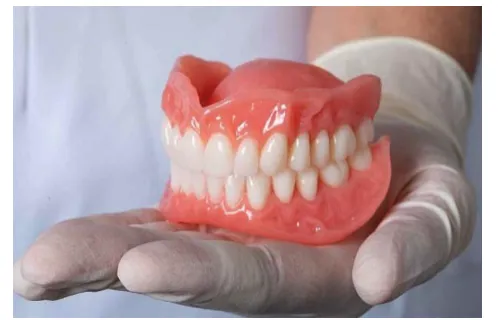
Complete Dentures
Complete dentures are recommended when all teeth in the upper or lower arch are missing. They are carefully designed to restore facial structure, improve speech, and enable proper chewing.
Indications:
- Complete loss of teeth
- Severely damaged teeth requiring full extraction
Our dentures are fabricated with precise measurements and high-quality materials to ensure optimal fit and aesthetics.
Partial Dentures
Partial dentures are used when some natural teeth remain. They fill the gaps created by missing teeth while preserving existing healthy teeth.
Benefits:
- Restores chewing efficiency
- Prevents shifting of remaining teeth
- Enhances smile aesthetics
- Cost-effective tooth replacement option
Our Approach:
- Detailed clinical evaluation
- Accurate impressions for precise fit
- Trial appointments to ensure comfort
- Post-insertion adjustments and follow-up care
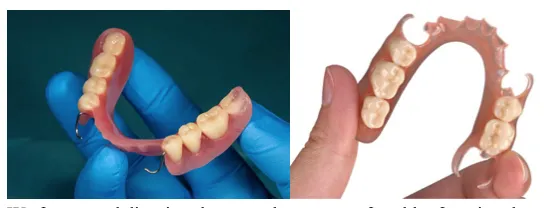
We focus on delivering dentures that are comfortable, functional, and natural-looking, helping patients regain confidence and quality of life.
CROWNS AND BRIDGES
Crowns and bridges are fixed dental restorations used to restore damaged or missing teeth, improving both function and aesthetics. At Sparsh Dental Department, we provide high-quality, custom-made restorations designed for durability, comfort, and a natural appearance.
Dental Crowns
A dental crown is a tooth-shaped cap placed over a damaged, weakened, or root canal-treated tooth to restore its strength, shape, and function.
Crowns are recommended for:
- Severely decayed or fractured teeth
- Root canal-treated teeth
- Worn-down teeth
- Cosmetic improvement of discolored or misshapen teeth
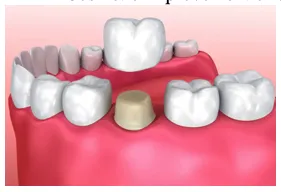
We offer various crown options including ceramic, zirconia, and metal-ceramic crowns based on clinical requirements and patient preference.
Dental Bridges
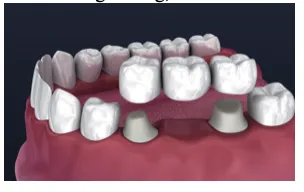
A dental bridge is used to replace one or more missing teeth by anchoring an artificial tooth to the adjacent natural teeth or implants.
Benefits of Bridges:
- Restores chewing efficiency
- Prevents shifting of adjacent teeth
- Maintains facial structure
- Improves smile aesthetics
Our Approach:
- Detailed clinical and radiographic evaluation
- Precise tooth preparation
- Digital impressions for accurate fit
- Comfortable temporary restorations
- Long-lasting, custom-fabricated final prosthesis
MAXILLOFACIAL PROSTHESES
Maxillofacial Prostheses are specialized prosthetic devices designed to restore facial structures and oral functions affected by trauma, congenital defects, infection, or cancer surgery. These custom-made prostheses help rehabilitate both function and appearance, significantly improving a patient’s quality of life.
At Sparsh Dental Department, we provide comprehensive maxillofacial rehabilitation using advanced materials and precise fabrication techniques in collaboration with surgical and oncology teams when required.
Conditions Requiring Maxillofacial Prostheses:
- Defects following oral cancer surgery
- Traumatic facial injuries
- Congenital facial deformities (e.g., cleft-related defects)
- Loss of eye, ear, nose, or palate
- Severe facial disfigurement
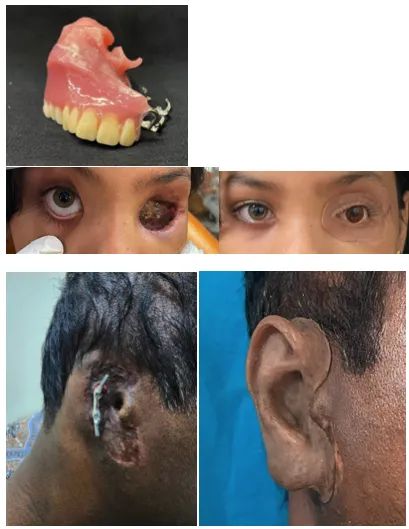
Types of Prostheses Include:
- Obturators (for palatal defects)
- Ocular prostheses
- Auricular (ear) prostheses
- Nasal prostheses
- Facial prosthetic restorations
- Implant-supported maxillofacial prostheses
Our Approach:
- Detailed assessment and interdisciplinary planning
- Precise impression and fabrication techniques
- Use of biocompatible and aesthetic materials
- Functional and cosmetic rehabilitation
- Long-term follow-up and maintenance
Our goal is to restore speech, swallowing, mastication, and facial symmetry while improving psychological well-being and social confidence.