Published in : Neurology | February 25, 2026 |
 Medically Reviewed
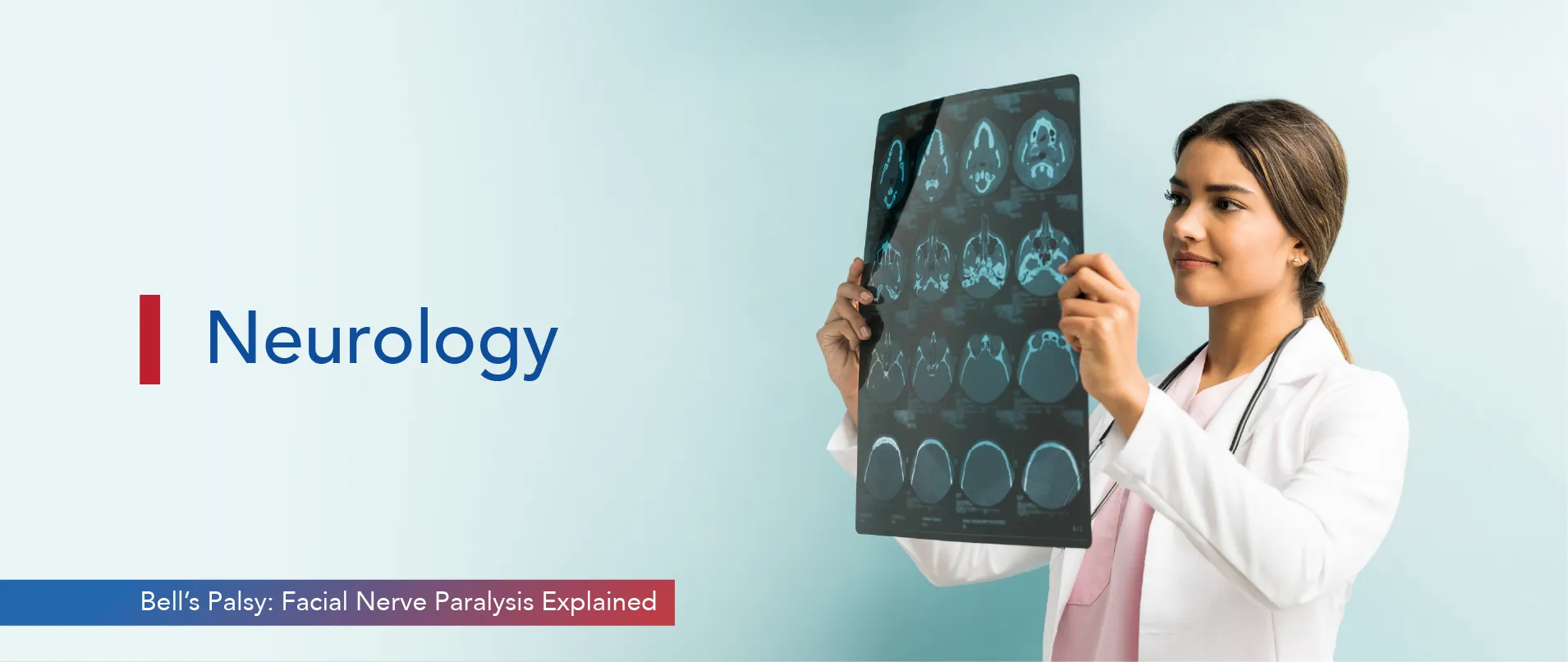
Bell’s Palsy is a condition that leads to a sudden weakness or temporary paralysis of the facial muscles, typically affecting only one side of the face. It takes place when the facial nerve becomes swollen or pressed, which interferes with the way the muscles normally move. This can make it difficult to smile, blink or close the eye on the affected side.
Although the appearance of symptoms may be sudden and concerning, most people regain full movement over time with the right care. Learning how to identify Bell’s Palsy, recognising the early signs and seeking timely support can help make the road to recovery feel less overwhelming.
The first question that naturally comes up is, “What causes Bell’s Palsy?” The answer is not always clear. In most cases, Bell’s Palsy happens when the facial nerve gets inflamed or compressed. This nerve controls the muscles on one side of your face. When adversely triggered, those muscles stop working properly.
Some studies suggest that viral infections may be linked to this inflammation. Cold sore viruses, flu-like infections, or excessive stress may play a role in the development of the condition. In some people, a weak immune system may increase the chance of developing it.
While anyone may develop Bell’s Palsy, it is most commonly seen in individuals aged 15 to 60. Pregnant individuals or those with diabetes may also be at increased risk of experiencing facial nerve issues. Possible contributing factors of Bell’s Palsy are:
Bell’s Palsy symptoms often appear suddenly and affect only one side of the face. In most cases, the signs amplify within two to three days of initially appearing. Some of the most common Bell’s Palsy symptoms are:
It is important to note that pain is not a predominant symptom, but may occur near the ear or jaw. Since these symptoms are similar to those of a stroke, it is important to get a medical evaluation right away to rule out serious conditions.
The recovery process for Bell’s Palsy begins naturally without the need for strong or intensive medical steps. That said, there are a few helpful measures that can fast-track healing and reduce the chance of further complications.
One of the most important aspects of care is protecting the eye, especially when it does not shut completely. To prevent dryness or damage, artificial tears are often used during the day. At night, an eye patch may be worn for added protection. Gentle facial exercises are also encouraged, as they may help the muscles slowly regain their strength and control. Here are some key parts of Bell’s Palsy treatment –
Doctors may adjust the approach based on the severity of the paralysis. Bell’s Palsy therapy may include guided physiotherapy, lifestyle advice, and posture corrections.
The biggest question most people have after diagnosis is about Bell’s Palsy recovery time. The healing process may differ depending on a person’s age, the severity of the nerve damage, and the timing of care. Some people notice improvement in as little as two weeks. Others may take a few months. In rare cases, it may take up to a year.
Experts say that around 70 to 80 percent of people recover completely within three to six months. These are some of the common Bell’s Palsy recovery signs:
Therapy for Bell’s Palsy can play a steady role in making the recovery process more manageable. Gentle movements, such as slowly lifting the cheek or practising a controlled blink, may appear simple but show positive results when done regularly. In places where medical facilities are more advanced, many individuals choose to consult professionals with focused experience in nerve-related care.
In cities like Bangalore, people often seek support from well-known medical centres. They prefer to consult the best neurologists in Bangalore for specific advice tailored to their condition. Specialists such as Dr Anil Ramakrishna, who handle a wide range of nerve disorders, guide patients with clear assessments, ongoing checks and structured therapy routines. Their care combines professional knowledge with a strong sense of patient comfort.
When patients follow their therapy plan with discipline and patience, recovery tends to move in the right direction. What matters most is consistency, low stress and a daily routine that encourages healing over time.
Bell’s Palsy may seem alarming in the beginning, but it is a condition that often improves with early attention and steady care. For most people, the changes are not permanent. Once the initial concern settles, what follows is a clear plan to manage and recover. With the help of simple exercises, regular follow-ups and careful support, the facial muscles gradually begin to heal.
Learning what Bell’s Palsy is, why it happens and how it can be treated helps reduce confusion and brings a sense of calm. It shows that recovery is possible and, in many cases, takes less time than expected when the right care is in place.
If you or someone close to you notices a sudden weakness in the face, it is wise to consult a Bell’s Palsy expert early. The main aim is to protect the face, care for the nerve and stay positive through each stage of healing.
Complete recovery from Bell’s Palsy depends on the severity of the symptoms. Many people start to notice improvement within two to three weeks. For most, full recovery takes place within three to six months. In cases where the symptoms are more severe, the healing process may take longer.
The most effective treatment for Bell’s Palsy includes protecting the eyes, doing facial exercises and supporting nerve recovery. It is important to follow a care plan given by a medical expert, as this helps ensure that recovery happens smoothly and with fewer problems.
The earliest signs of Bell’s Palsy may include drooping appearance on one side of the face or trouble closing one eye. Some people also notice a loss of taste or a change in how their smile looks. A heavy feeling on one side of the face may also appear in the beginning.
Bell’s Palsy may feel alarming, but it is not usually life-threatening. In most cases, people recover fully with proper care and medical guidance. Consulting experienced doctors can help minimise complications.
3 Mins Read
Categories: Neurology







Bell’s Palsy: Facial Nerve Paralysis Explained is available for appointments. Please fill the below form to book an appointment.
Unlock the door to exceptional healthcare, book an appointment with SPARSH Hospital and let your journey to wellness begin.
Copyright © 2026 SPARSH Hospital, A Unit of Shiva & Shiva Orthopaedic Hospital Pvt Ltd.