Published in : Orthopedics | January 2, 2026 |
 Medically Reviewed

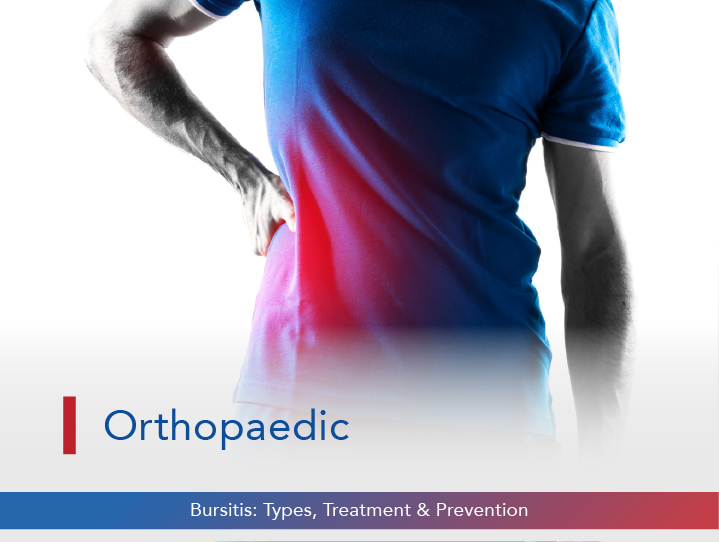
Bursitis refers to inflammation of the small fluid-filled sacs that cushion movement in the joints! These sacs [known as bursae] help reduce friction between bones and nearby tissues. When inflamed, they cause pain, swelling, and difficulty moving the joint. This condition may affect people across age groups and occupations, especially those who perform repetitive tasks or remain in the same posture for long periods.
Addressing the fundamental questions like, “What causes bursitis?”, “How to treat bursitis?”, and “How long bursitis lasts?” may help prevent discomfort and limit complications. This detailed post outlines each aspect in detail, offering clarity on what is bursitis and how to manage it effectively.
Bursitis is an inflammatory condition affecting the bursae [which are fluid-filled sacs located near joints]. Their function is to cushion movement between bones, tendons, muscles, and skin. When these sacs become irritated due to repeated joint stress, pressure, or injury, inflammation develops. This leads to pain, swelling, and limited joint mobility. Bursitis most commonly affects the shoulder, elbow, knee, and hip.
In many cases, the cause is repetitive joint motion or prolonged pressure. The discomfort may begin gradually or appear after a specific activity or incident. People who want to understand what is bursitis are often those who experience these symptoms during basic daily movement.
The classification of bursitis depends on the location of the affected bursa. Each type reflects the specific joint under strain. These are the most commonly reported types of bursitis:
The bursa beneath the shoulder blade becomes inflamed due to repetitive overhead activity or overuse. Pain may occur at the top or outer part of the shoulder and worsen during lifting or reaching.
Inflammation occurs in the bursa near the kneecap. People who kneel frequently or sustain knee injuries are more likely to develop this type. Swelling is visible in front of the knee, and movement may become
difficult.
The outer part of the hip becomes tender, especially while walking, climbing stairs, or lying on the affected side. This condition is more common in older adults and individuals with posture or gait issues.
The bursa at the tip of the elbow swells and causes pain, often from leaning on hard surfaces or experiencing a direct blow. A lump may form behind the elbow joint, and movement becomes uncomfortable.
Other types may involve the heel, ankle, or base of the big toe. Regardless of location, inflammation limits the function of the joint and causes local discomfort. Understanding these types helps explain what causes bursitis and allows early identification of joint stress.
The symptoms of bursitis are linked to inflammation and typically appear near joints subjected to stress. Recognising these symptoms helps guide early management and reduce the risk of long-term joint limitation.The most common signs include:
Pain is felt near the affected joint, especially during movement or direct pressure.It may start mild and worsen if activity continues.
The bursa may enlarge due to fluid accumulation! This appears as puffiness or a bulge near the joint, which becomes visible in superficial areas like the elbow or knee.
Inflammation causes joint stiffness, making basic activities like walking, bending, or lifting more difficult.
The area may feel sensitive or painful even with light contact. This is often an early sign that the bursa is irritated.
If the bursa lies close to the skin, inflammation may lead to surface warmth and discolouration. This symptom is more likely if the bursa is infected.
These symptoms may appear gradually or suddenly depending on the cause. If accompanied by fever or spreading redness, immediate evaluation may be necessary.
Diagnosis begins with a thorough medical history and physical examination. The aim is to understand the pattern of joint use and locate the site of inflammation. The diagnostic tools or procedures may support the clinical findings [in most cases]. Treatment follows a step-by-step process focused on symptom relief, joint recovery, and prevention of recurrence.
The doctor examines the joint for swelling, tenderness, and reduced movement. Imaging techniques like ultrasound or MRI may reveal fluid in the bursa. If infection is suspected, fluid from the bursa may be withdrawn and tested.
Initial management includes resting the joint and avoiding pressure or repeated movement. Cold compresses help reduce swelling. Some people may require supportive padding or braces to relieve joint stress. Many people searching for what is the treatment for bursitis respond well to these basic measures when followed early and consistently.
Physical therapy may be recommended to improve joint mobility and prevent stiffness. Exercises designed for the affected joint reduce inflammation over time. In persistent cases, a medical injection may be considered. Surgical removal of the bursa is rarely needed and only considered if other methods fail.
When people ask can bursitis be cured, the answer depends on the cause, duration, and response to treatment. Most cases improve fully without permanent damage if managed in time.
Prevention relies on reducing physical strain and supporting healthy joint function. Many people who want to know how to prevent bursitis benefit from practical strategies applied during work, exercise, or daily activities. The following measures may help prevent recurrence:
Repeated motions or tasks that overload a joint should be adjusted or spaced out with breaks. Tools or equipment may be modified to reduce joint load.
People who kneel, lean, or rest on hard surfaces may use protective gear like knee pads or elbow supports.
Exercise plans that improve strength and flexibility of muscles surrounding the joint help reduce the strain placed on bursae.
Before engaging in sports or heavy work, warming up prepares the body for movement and reduces injury risk.
Maintaining proper posture during lifting, walking, or sitting helps distribute pressure evenly and prevents joint overuse.
Bursitis is more likely to recur when preventive habits are ignored. Long-term joint health depends on early intervention and sustained posture awareness.
Bursitis may be self-limiting in mild cases, but medical help should be sought when symptoms persist or worsen. If joint pain lasts for more than a few days despite rest or home care, an evaluation becomes important. The presence of fever, intense warmth over the joint, or visible redness may indicate an infection.
In these cases, immediate treatment helps avoid serious joint damage. People experiencing repeated episodes should also speak with a specialist who can assess joint mechanics and suggest modifications. While this article does not promote specific institutions, individuals may research options such as the best orthopaedic hospitals in Bangalore or consult the best orthopaedists in Bangalore for condition-specific support.
Bursitis is a joint condition where the bursa becomes inflamed due to stress, injury, or prolonged pressure. It affects mobility and causes pain that interferes with normal routines. Most cases respond to rest, supportive care, and simple activity adjustments. Understanding what causes bursitis and recognising early signs helps avoid progression.
The question how long does bursitis last depends on how soon it is addressed and how well the affected joint is protected. Long-term solutions include physical therapy, prevention strategies, and joint care. Persistent or complicated cases should always be assessed by a trained professional.
Bursitis affects the bursa, while arthritis involves joint cartilage and bone. Both cause joint discomfort, but the underlying structure and treatment approach differ significantly.
Untreated bursitis may result in chronic pain, reduced joint movement, or infection. In some cases, long-term inflammation may cause thickening of the bursa lining.
Bursitis may last a few weeks with rest and activity changes. Chronic or untreated bursitis may last longer and require medical attention for full recovery.
Children with bursitis may require rest, reduced joint use, and cold compresses. A doctor may suggest specific movements or activities to support healing and prevent recurrence.
Vitamin D deficiency is not a direct cause of bursitis. However, it may contribute to bone and muscle weakness, which could increase the risk of joint inflammation over time.
3 Mins Read
Categories: Orthopedics













Bursitis: Types, Treatment, and Prevention is available for appointments. Please fill the below form to book an appointment.
Unlock the door to exceptional healthcare, book an appointment with SPARSH Hospital and let your journey to wellness begin.
Copyright © 2026 SPARSH Hospital, A Unit of Shiva & Shiva Orthopaedic Hospital Pvt Ltd.