Published in : Urology | December 8, 2025 |
 Medically Reviewed
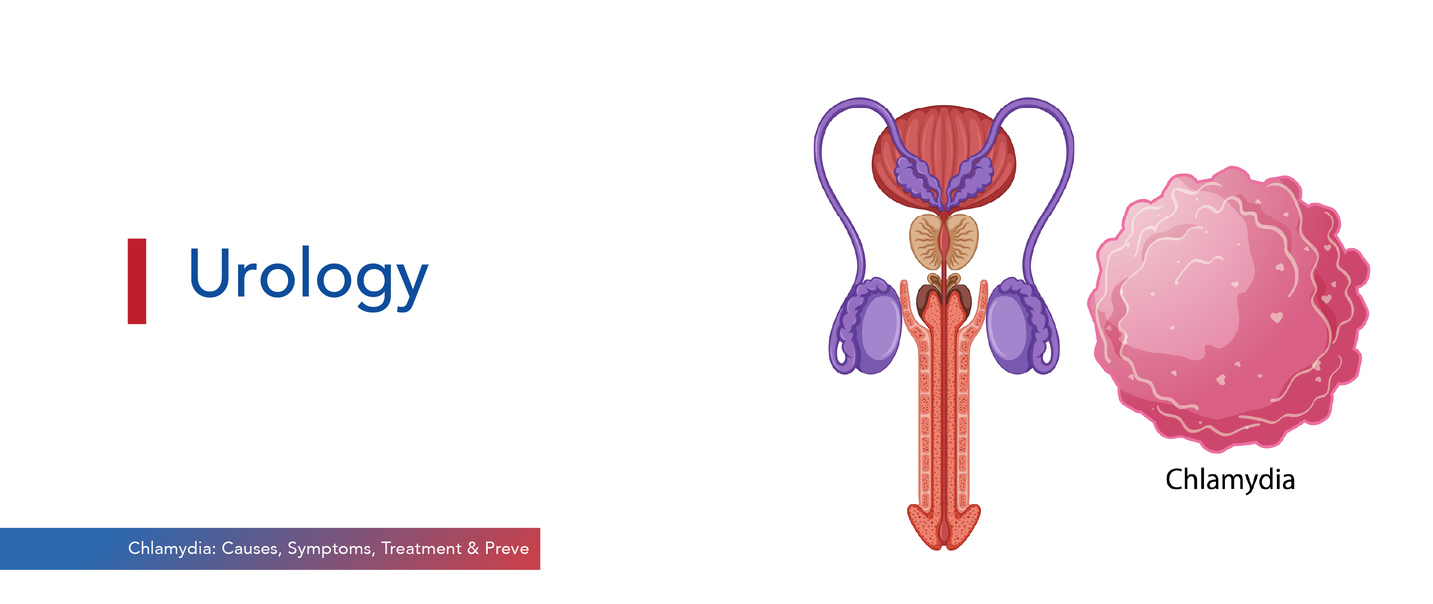
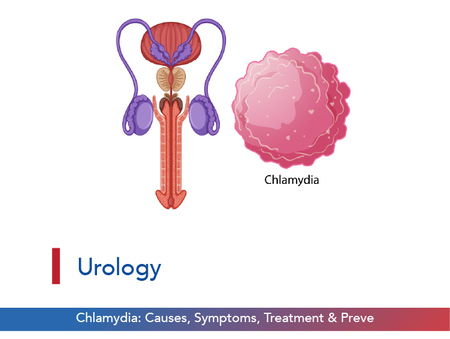
Chlamydia is one of the most common sexually transmitted infections (STIs) worldwide, caused by the bacterium Chlamydia trachomatis. Despite being easily treatable, it often goes undiagnosed because it rarely shows symptoms in the early stages. Left untreated, Chlamydia infection can lead to serious reproductive and urinary health complications in both men and women. Understanding what Chlamydia is, how it spreads, and the available Chlamydia treatments can help prevent long-term health problems.
Chlamydia is a bacterial infection transmitted primarily through sexual contact, vaginal, anal, or oral with an infected person. It affects both men and women and can infect various areas of the body, including the genitals, rectum, throat, and eyes.
In women, untreated Chlamydia can cause pelvic inflammatory disease (PID), leading to infertility or chronic pelvic pain. In men, it can cause inflammation in the testicles or prostate, potentially leading to reproductive issues.
Because Chlamydia is related to multiple reproductive health problems, early diagnosis and treatment are crucial to preventing complications.
Chlamydia is caused by the bacterium Chlamydia trachomatis, a microscopic organism that thrives inside human cells. It spreads through:
It’s important to note that Chlamydia disease does not spread through casual contact such as hugging, kissing, or sharing utensils.
Chlamydia is often referred to as a “silent infection” because most people show no noticeable symptoms, especially in the early stages. When symptoms do appear, they may vary between men and women.
If left untreated, Chlamydia infection can spread to other parts of the body, leading to more severe complications.
Ignoring or delaying Chlamydia treatment can result in long-term health problems:
At SPARSH Hospitals, our specialists emphasise regular screening and prompt treatment to prevent such complications.
Diagnosing Chlamydia is simple, quick, and highly accurate. Common diagnostic methods include:
Results are usually available within a few days, enabling early initiation of Chlamydia medication.
Fortunately, Chlamydia is curable with the right antibiotics prescribed by a healthcare professional. Early diagnosis ensures a faster recovery and reduces the risk of complications.
Your doctor may also recommend abstaining from sexual activity during and after treatment until the infection clears completely. It’s important that sexual partners are also treated to prevent reinfection.
Follow-up testing after 3 months is often recommended to ensure that the infection has been fully cured.
Prevention is the most effective way to reduce the spread of Chlamydia infection. Here are several key strategies:
Use condoms consistently and correctly during vaginal, anal, and oral sex. This significantly reduces the risk of infection.
Individuals who are sexually active, especially those under 25 or with multiple partners, should get tested for Chlamydia regularly.
If sharing, ensure that toys are washed thoroughly and covered with a new condom each time.
Reducing the number of partners helps lower the chance of exposure to STIs.
Discuss STI testing and protection methods with partners before engaging in sexual activity.
If diagnosed, start treatment immediately and ensure all partners are informed and treated as well.
At SPARSH Hospitals, our urologists and gynaecologists provide confidential testing, compassionate counselling, and expert guidance for STI prevention and treatment.
Chlamydia infection can be associated with or mimic symptoms of other reproductive health conditions:
If you experience discomfort or unusual symptoms, consult a specialist at SPARSH to rule out such conditions.
SPARSH Hospitals is among the leading Urology and Nephrology Hospitals in Bangalore, known for advanced diagnostic facilities and expert care.
Our team includes some of the Best Urologists in Bangalore, who specialise in managing sexually transmitted infections, urinary tract disorders, and reproductive health issues.
We provide:
Whether you’re experiencing symptoms or simply want to get tested, SPARSH ensures a safe, private, and supportive environment.
If you experience any signs of infection such as unusual discharge, pelvic pain, or pain during urination, seek medical advice immediately.
Residents of Bangalore can consult the best urologists and gynaecologists at SPARSH Hospitals for comprehensive evaluation and treatment.
Early diagnosis not only protects your health but also prevents transmission to your partners.
Chlamydia is a common yet preventable infection. Understanding what Chlamydia is, its causes, symptoms, and treatments can help reduce the spread of this disease and its complications. By maintaining good sexual hygiene, practising safe sex, and undergoing regular screenings, you can protect yourself and your partner from Chlamydia infection.
If you suspect an infection or need guidance, visit SPARSH Hospitals, a trusted Urology and Nephrology Hospital in Bangalore, for expert care and compassionate support.
Chlamydia is a bacterial infection caused by Chlamydia trachomatis, transmitted through sexual contact.
It spreads through unprotected vaginal, anal, or oral sex, and can also be transmitted from mother to child during childbirth.
Symptoms include abnormal discharge, burning during urination, pelvic pain, or no symptoms at all in some cases.
Yes, with appropriate Chlamydia medication like Azithromycin or Doxycycline, it can be completely cured.
Practice safe sex, limit sexual partners, and get regular STI screenings to prevent infection.
3 Mins Read
Categories: Urology







Chlamydia: Causes, Symptoms, Treatment & Prevention is available for appointments. Please fill the below form to book an appointment.
Unlock the door to exceptional healthcare, book an appointment with SPARSH Hospital and let your journey to wellness begin.
Copyright © 2026 SPARSH Hospital, A Unit of Shiva & Shiva Orthopaedic Hospital Pvt Ltd.