Published in : Endocrinology and diabetology | December 31, 2025 |
 Medically Reviewed
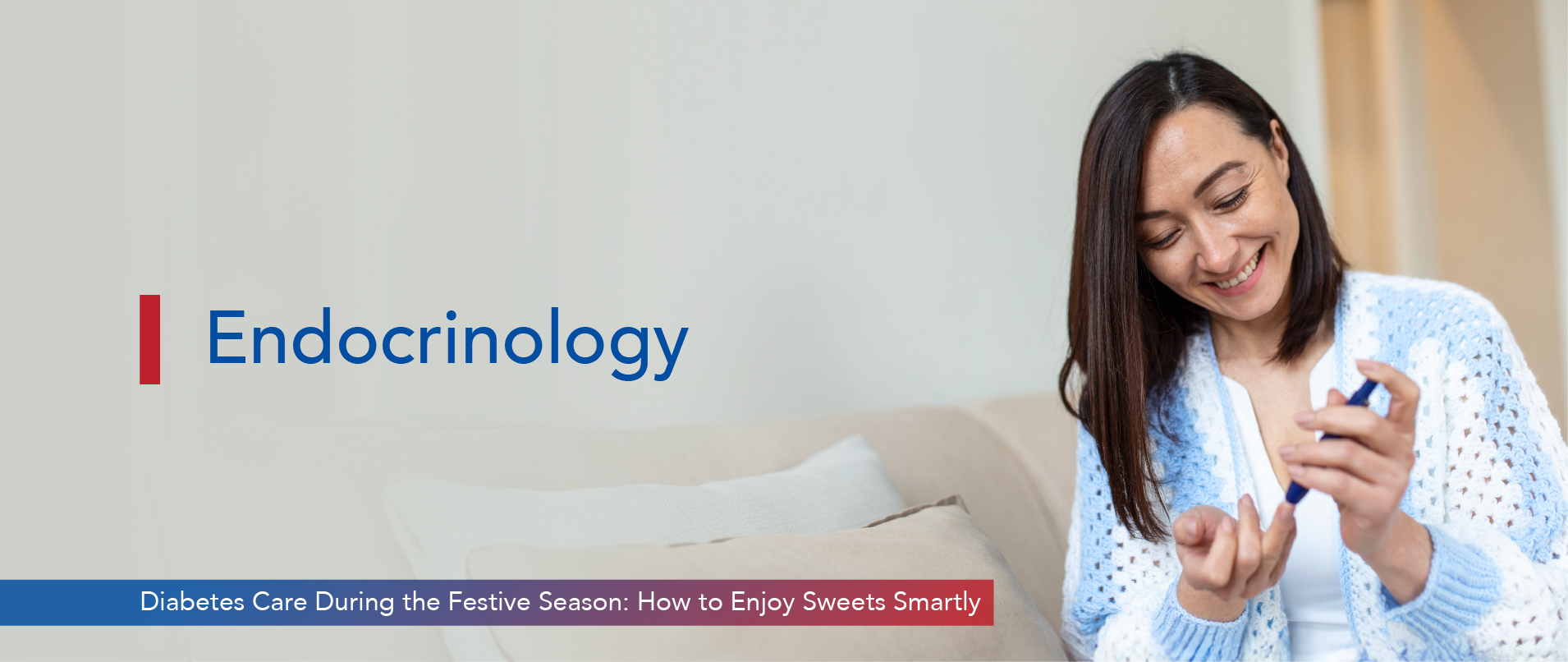
Festivals are all about celebrating with family, fulfilling rituals and spending a lot of time bingeing on food. Diwali, in particular, is marked by widespread consumption of sweets and savoury snacks. For individuals with diabetes, this festive indulgence introduces potential challenges. Poorly regulated sugar intake may lead to unpredictable blood glucose responses and subsequent metabolic strain.
Many traditional sweets are high in processed sugar and fat. These factors may rapidly affect glycaemic control! However, celebration and disease management need not be in conflict. With informed planning and precise moderation, people living with Type 1 diabetes or Type 2 diabetes may enjoy sweets during festivals without elevated risk.
Diabetes is a chronic condition defined by abnormalities in blood glucose regulation. In Type 1 diabetes, the pancreas produces little or no insulin. This insulin deficiency requires lifelong external replacement.
Type 2 diabetes involves gradual insulin resistance. Cells do not respond appropriately to insulin, and blood sugar remains elevated for prolonged periods. Both types may lead to complications when glucose levels are not well controlled over time.
Festive food tends to be calorie-dense and rich in simple carbohydrates. Without moderation, this seasonal intake may disrupt baseline sugar levels. A clear understanding of the disease’s physiology supports informed dietary choices during culturally significant occasions such as Diwali.
Most Diwali sweets are prepared using sugar syrups, condensed milk and refined flour. The body rapidly absorbs these ingredients and may elevate blood sugar levels. For individuals with diabetes, this may interfere with ongoing dietary control and daily medication timing. The risks are multiple and progressive.
Sweets made with jaggery or refined sugar may cause blood sugar to rise abruptly. Individuals with poor glycaemic control may not respond adequately. This instability may lead to dizziness or fatigue during or after celebrations.
Sweets and snacks are often deep-fried in reused oils. These contain trans fats, which may increase low-density lipoproteins. Elevated LDL levels may increase cardiovascular risk, especially when combined with uncontrolled blood glucose.
Continuous intake of calorie-dense foods may contribute to fat accumulation. This added weight may worsen insulin resistance in individuals with Type 2 diabetes. Reduced insulin effectiveness may delay recovery from glucose spikes.
Skipping meals during festivities, followed by sudden overeating, may disrupt glucose regulation. This irregular pattern may strain the pancreas and lead to postprandial hyperglycaemia.
Many store-bought sweets include preservatives or syrups not clearly disclosed. These additions may elevate sugar content beyond visual assessment. Unaware intake may increase the daily glycaemic load.
The goal during Diwali is to balance enjoyment with metabolic stability. This requires strategic adjustments to portion sizes, ingredients, and the daily routine. When followed consistently, the following tips may help maintain sugar control during Diwali.
Use ghee, olive oil or coconut oil for festive recipes. These oils have higher thermal stability. Reusing oils for frying may introduce harmful free radicals and trans fats.
Offer nut hampers, herbal teas or sugar-free snack boxes instead of conventional sweet boxes. This reduces temptation and supports collective well-being.
Walking after festive meals supports digestion and may limit post-meal sugar spikes. Light physical activity may assist glucose uptake by muscles.
Eating between meals, especially sugary items, may cause prolonged hyperglycaemia. Limit sweet intake to one planned instance per day to maintain a steady glucose rhythm.
Sudden cognitive changes may indicate glucose extremes. This must not be delayed. Timely medical review may prevent further complications.
Visual disturbances after meals may indicate rapid glucose fluctuations. Continued exposure may affect retinal health over time.
Abdominal symptoms, especially after sweet consumption, may indicate overload. Reassessment of meal planning and medication timing is advised.
Festive distractions may disrupt treatment schedules. Any deviation should be disclosed to a physician as early as possible.
The festive season brings joy, social interaction and culinary tradition. For individuals with diabetes, it also brings the challenge of preserving metabolic balance amid indulgence. With planning and awareness, sweets may be enjoyed safely.
Small servings, appropriate swaps and mindful routine management offer protection during high-risk days. Glucose monitoring, timely medication and structured meals ensure that blood sugar does not escalate unexpectedly.
Diabetes care during festivals is not about restriction. It is about understanding the condition and respecting the body’s signals. When this is done consistently, celebration becomes more meaningful and less burdensome.
Sweet cravings may be reduced by eating balanced meals at regular intervals. Adequate hydration, fibre-rich snacks, and stress management techniques may also help reduce the desire for sugary items.
A balanced intake of protein and fibre throughout the day may reduce post-meal sugar cravings. Complex carbohydrates may provide sustained energy and limit glucose dips.
A link between chromium or B-vitamin deficiency and sugar cravings can be established. However, it is recommended to seek assistance from the best endocrinology hospital in Bangalore before beginning any supplementation.
Sweets made using nuts, jaggery, dates or whole grains may be safer alternatives. Roasted snacks and fresh fruit bowls may replace traditional desserts without compromising taste.
Homemade sweets may offer better portion control and ingredient transparency. This approach may potentially reduce the risk of hidden sugars and unhealthy fats often present in packaged desserts.
3 Mins Read
Categories: Endocrinology and diabetology








Diabetes Care During the Festive Season: How to Enjoy Sweets Smartly is available for appointments. Please fill the below form to book an appointment.
Unlock the door to exceptional healthcare, book an appointment with SPARSH Hospital and let your journey to wellness begin.
Copyright © 2026 SPARSH Hospital, A Unit of Shiva & Shiva Orthopaedic Hospital Pvt Ltd.