Published in : Neurology | February 12, 2026 |
 Medically Reviewed
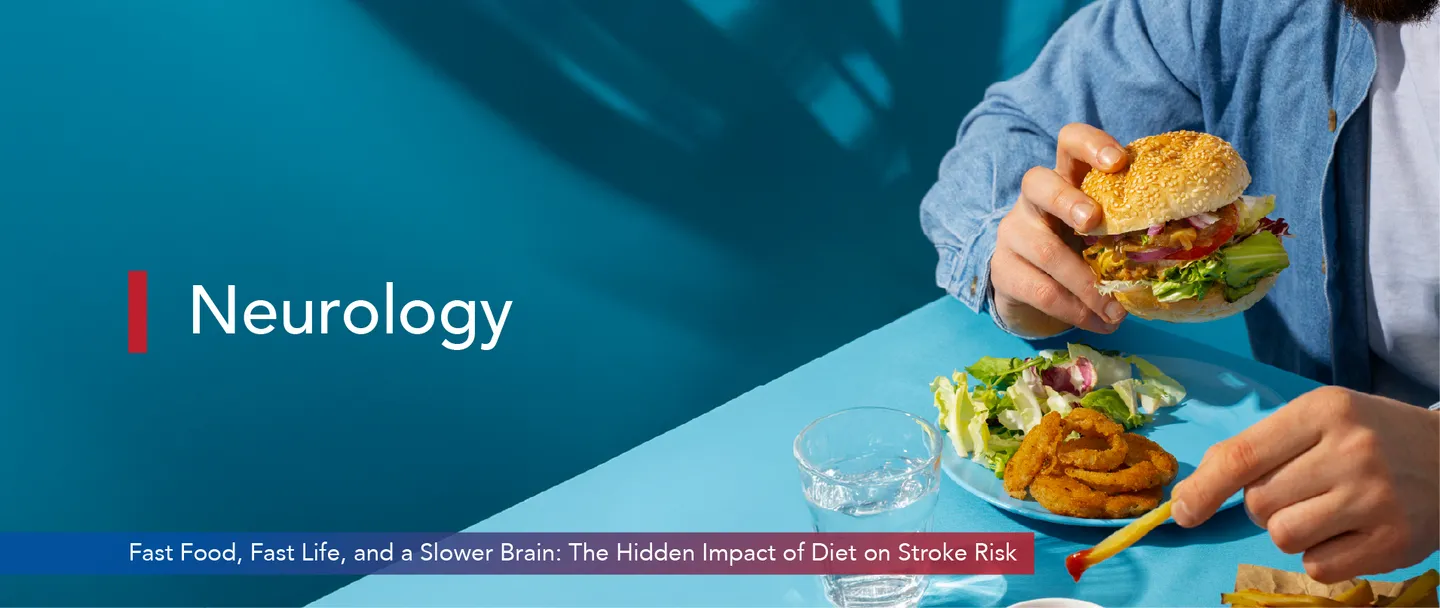
In today’s fast-paced world, convenience often wins over nutrition! With work stress, lack of time and lifestyle distractions, many people rely on ready-to-eat meals and fast food. But what if these daily choices were doing more than expanding your waistline? What if they were quietly slowing your brain and increasing your chances of a stroke?
The effect of food on our mind is often ignored. Yet, experts warn that what you eat may influence your brain more than you realise. The connection between diet and brain health is not limited to mood and energy. It also affects your long-term ability to think, remember, and stay protected from critical health events [especially as stroke].
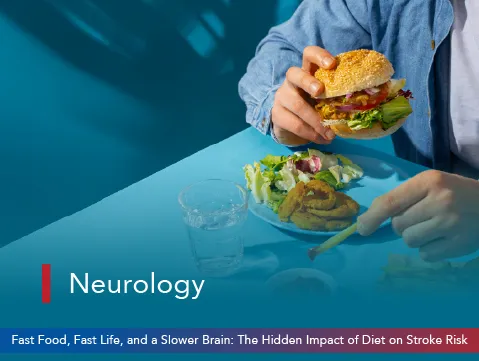
Fast food may be quick to serve, but its long-term effect on the brain is far from harmless. A recent community-based study in Texas found that neighbourhoods with more fast food restaurants had a higher incidence of stroke. In fact, areas with a greater number of these outlets showed a 13 percent higher risk of stroke compared to areas with fewer outlets. This statistic is not just a number. It reveals a larger story about how diet affects stroke and brain performance over time.
Fast food typically contains high amounts of saturated fats, sugar and salt. These ingredients may impact your blood pressure, cholesterol levels and weight. Over time, these factors may damage the blood vessels that supply the brain. When these vessels become narrow or blocked, they may interrupt the flow of oxygen-rich blood to the brain. This is what leads to an ischaemic stroke.
But the danger does not lie only in one meal. It builds up gradually. Eating processed meals repeatedly can create an environment of inflammation and oxidative stress in the brain. These conditions may impair cognitive function, slow reaction time and weaken memory. In simpler words, the link between fast food and brain health is no longer a theory. It is a risk that may be hiding in plain sight.
Most people believe that poor diet only affects physical health. But your brain also suffers in more ways than you may realise. The connection between diet and brain health is supported by science. And its impact can begin much earlier than most people expect. Let us understand this further:
Diets rich in salt and saturated fat may damage the arteries that carry blood to your brain. Reduced blood flow affects brain function and increases the risk of stroke. Over time, this can cause permanent harm to your memory and decision-making abilities.
Foods that increase stroke risk often include processed meats, fried snacks and high-sugar desserts. These items may raise cholesterol, cause high blood pressure and lead to poor circulation. Stroke is more likely when multiple such factors occur together.
A poor diet may also increase the chance of gradual mental decline. It can interfere with communication between brain cells and reduce the production of chemicals that help learning and focus. This effect may grow stronger as you age.
Unhealthy diets may trigger internal inflammation. This can damage neurons and reduce brain plasticity, which affects how the brain adapts and grows. Foods low in vitamins, minerals and healthy fats may worsen this effect.
These problems may not be visible at first. But over time, the damage adds up. Seeking support from a neurologist in Bangalore or visiting the best neurology hospital in Bangalore may be helpful when symptoms begin to appear.
The good news is that you can take steps to protect your brain. Stroke may not be fully preventable, but making better dietary choices can lower your risk. Start with simple, steady changes:
A diet for brain health often includes leafy vegetables, berries, fatty fish, nuts and whole grains. These foods contain nutrients that support memory, focus and circulation.
Avoid fried items, sugary drinks and high-sodium snacks. These are some of the most common foods that increase stroke risk. Replacing them with homemade meals is a safer option.
Too much salt raises blood pressure while excess sugar causes weight gain and insulin resistance. Both conditions may affect how your brain works and increase stroke risk over time.
Regular exercise helps improve blood flow to the brain. Drinking water throughout the day keeps your body and mind balanced. These steps may not seem related to diet, but they are essential for long-term brain health.
A tired brain does not function well. Diet and stroke risk may also increase with poor sleep. Eating too close to bedtime or relying on caffeine can interfere with quality rest.
Making small improvements to your routine can help you avoid major complications. If you feel persistent headaches, forgetfulness or sudden weakness, it may be useful to consult a neurologist in Bangalore or visit a centre recognised as the best neurology hospital in Bangalore.
A fast-paced life often demands quick decisions. But when it comes to food, those quick decisions may leave a lasting impact on your brain. From daily mood swings to serious events like stroke, the link between what you eat and how your brain performs is strong and direct. Fast food and brain health may never go hand in hand. By making thoughtful changes and building habits around real nutrition, you give your brain the support it needs to stay sharp and resilient.
Yes, fast food may affect brain performance over time. It may cause slower reaction times, poor focus and reduced memory if eaten regularly and in large quantities.
A diet filled with processed meats, fried foods, sugar-rich desserts and excess salt may increase your stroke risk. These foods often raise blood pressure and cholesterol levels.
Highly processed snacks, sugary drinks and items with trans fats may affect memory. They interfere with how brain cells communicate and may increase the risk of mental decline.
Eating fresh vegetables, fruits, whole grains, oily fish and seeds may help reduce stroke risk. These foods support healthy blood pressure and improve circulation to the brain.
Stroke risk increases with age, especially after 55. But lifestyle habits formed early may impact your chances. Even younger adults may be at risk if diet and health are ignored.
3 Mins Read
Categories: Neurology






Fast Food, Fast Life, and a Slower Brain: The Hidden Impact of Diet on Stroke Risk is available for appointments. Please fill the below form to book an appointment.
Unlock the door to exceptional healthcare, book an appointment with SPARSH Hospital and let your journey to wellness begin.
Copyright © 2026 SPARSH Hospital, A Unit of Shiva & Shiva Orthopaedic Hospital Pvt Ltd.