Published in : Orthopedics | January 7, 2026 |
 Medically Reviewed
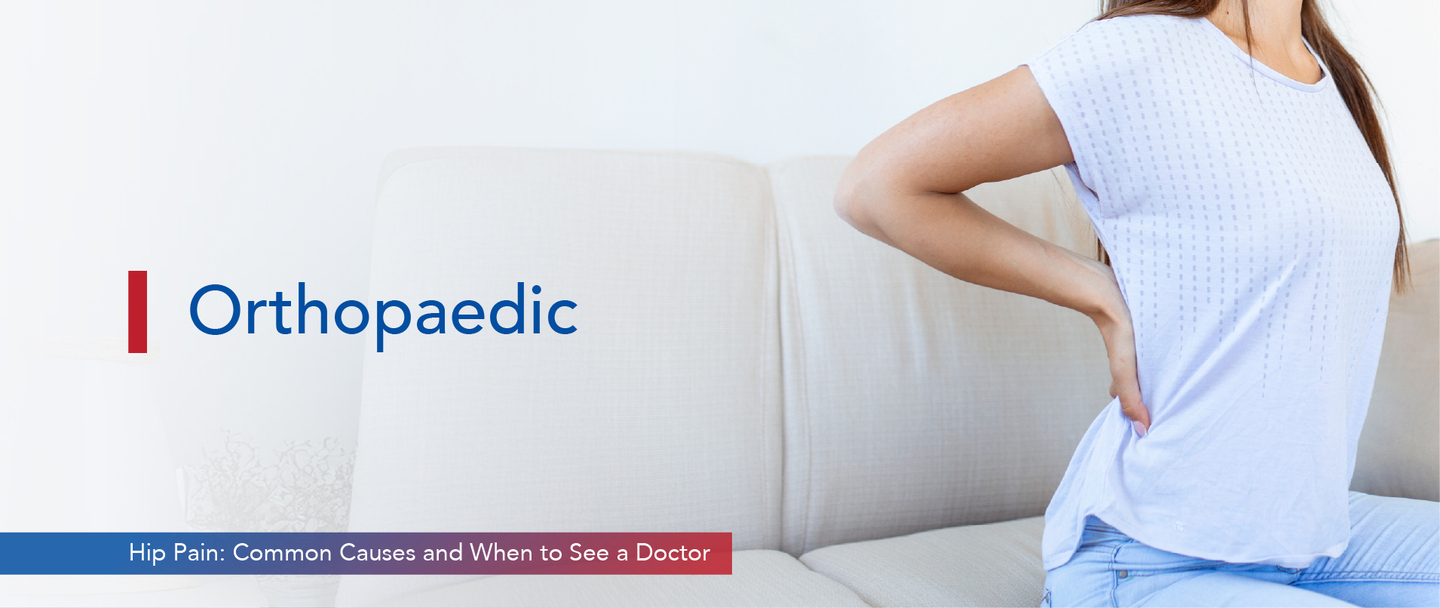
Hip pain is a frequent musculoskeletal symptom affecting individuals across age groups. It interferes with physical function, mobility, and quality of life. Some people report sharp right hip pain after prolonged walking. Others experience persistent stiffness around the hip joint during morning activity or before bed.
The symptom may impact the joint directly [or originate from surrounding structures]. Left hip pain may reflect underlying inflammation or muscular imbalance. Patients often search for hip pain exercises, self-care tips, or symptom relief without understanding the root cause, delaying necessary medical care.
Learning about the source of discomfort allows accurate hip pain treatment and prevents long-term disability. Proper care also improves strength, alignment, and flexibility. This blog outlines the causes, symptoms, and care strategies related to hip pain. It also explains when medical attention becomes necessary.
Hip pain may be caused by injury, overuse, inflammation, or age-related degeneration. Identifying the origin helps guide effective treatment.
Osteoarthritis is a leading cause of chronic hip joint pain. Cartilage breakdown leads to stiffness, joint narrowing, and reduced flexibility over time. Inflammatory joint diseases, such as rheumatoid arthritis, may affect both hips and cause swelling. Pain typically increases after rest or prolonged sitting. Hip arthritis is more likely to affect adults over forty. Early signs may include groin discomfort, morning stiffness, or reduced walking tolerance.
Bursitis refers to inflammation of fluid-filled sacs that cushion the hip joint. Trochanteric bursitis affects the outer side of the hip. Patients often describe pain while lying on one side. Discomfort may worsen during climbing stairs or standing for long periods. Iliopsoas bursitis affects the front of the hip joint [leading to groin discomfort and impaired lifting of the affected leg].
Tendons may become inflamed from repetitive activity. Tendinitis causes localised pain that worsens during physical motion or weight-bearing. The condition is common among runners or individuals with poor posture. Women may also experience left hip pain from gluteal or hamstring tendinopathy. Tendinopathies may limit strength, reduce coordination, and interfere with exercise. Early physiotherapy improves outcomes and prevents chronic changes.
Strains result from overstretching or loading the muscle beyond its capacity. The symptoms usually are detected through sudden pain, swelling, and weakness around the hip. This condition often follows unaccustomed movement or high-intensity training. Right hip pain may reflect strain in hip flexors, abductors, or gluteal muscles. Muscle injuries recover well with guided rehabilitation. Delayed intervention may lead to chronic tightness, altered gait, or persistent imbalance.
The labrum stabilises the hip joint and maintains movement efficiency. Tears may result from trauma, degeneration, or abnormal joint mechanics. Symptoms include catching, locking, or sharp pain during bending or twisting. Pain may radiate from the groin towards the thigh or knee. Impingement refers to abnormal joint contact during motion. This leads to early wear of the cartilage and eventual joint degeneration.
Hip fractures are serious injuries requiring immediate care. They typically occur in older adults after falls or sudden trauma. Pain is severe and prevents movement or weight-bearing. Visible shortening or rotation of the affected leg may indicate displacement. Dislocations occur when the j oint is forced out of position. This condition requires emergency reduction and supportive therapy.
Most cases of hip pain improve with conservative care. Early intervention supports healing and prevents deterioration.
Limiting movement reduces mechanical stress on injured tissues. Rest allows inflammation to subside and reduces strain on supporting structures. Prolonged bed rest is not recommended. Gentle walking or assisted motion supports circulation and joint lubrication.
Cold compresses reduce acute inflammation, particularly after recent injury. Ice should be applied for twenty minutes at fixed intervals. Heat therapy is useful in chronic conditions. It reduces muscle stiffness and improves blood flow to surrounding tissues
Stretching improves flexibility of tight hip muscles. Strengthening builds control in the glutes, core, and thighs to stabilise the joint. Physiotherapy-led hip pain exercises reduce pain and improve movement. Exercises must be individualised and performed with proper technique.
Hip pain symptoms may increase with poor posture or improper footwear. Supporting the spine and pelvis prevents repetitive strain. Orthotic inserts or supportive shoes reduce joint impact. Workstation changes reduce hip rotation and pelvic imbalance
Reducing excess body weight lessens stress on the hip joint. Nutritional support ensures adequate tissue repair and inflammation control. Weight management is essential in preventing arthritis progression. When combined with regular mobility sessions, it preserves flexibility and strength.
A trained therapist guides recovery from injury or surgery. Individual plans focus on muscle balance, joint range, and safe progression. Physiotherapy supports return to daily activities. It also reduces recurrence of left hip pain, right hip pain, or combined symptoms.
Prevention includes regular activity, posture control, and early treatment of minor discomfort. These steps protect long-term joint health
Building muscle strength around the hips supports the joint. Regular training improves endurance, balance, and motion control. Exercise routines must target glutes, core, and thigh muscles. Consistent practice reduces the risk of overload and injury.
Stretching before activity prepares muscles for movement. This reduces the chance of strain during dynamic or repetitive tasks. Tight muscles may alter movement patterns and create joint stress. Flexibility exercises preserve natural hip alignment and gait rhythm.
Avoid repeating high-impact activities without rest. Variation in tasks prevents repetitive overload on specific muscles or tendons. When lifting or bending, proper form protects the back and hips. Alternating sides distributes load evenly and prevents one-sided pain.
Supportive chairs, seat cushions, or mattresses reduce static strain. Prolonged sitting without support may trigger hip joint pain. Occupational aids such as footrests or lumbar pads promote proper alignment. Small changes prevent long-term postural stress.
Mild hip pain should not be ignored. Early assessment identifies the cause and prevents escalation into chronic dysfunction. Prompt care supports recovery and avoids prolonged discomfort. Patients benefit from early advice and tailored self-care.
Hip pain that persists for more than one week requires evaluation. A trained professional will examine movement, strength, and alignment.
The best orthopaedic hospital in Bangalore offers diagnostic evaluation, physiotherapy, and surgical planning if required. Consulting the best orthopaedists in Bangalore may help clarify the exact cause of symptoms.
Hip pain affects the joint, tendons, muscles, or soft tissues. The source may be inflammatory, mechanical, or degenerative in origin. Identifying the correct cause ensures timely hip pain treatment. Conservative care includes rest, physiotherapy, exercises, and load reduction.
Left hip pain and right hip pain must both be evaluated with equal precision as each side may reflect different patterns of stress or posture. Hip pain symptoms that worsen with activity or rest require medical attention.
Self-care supports recovery, but persistent or severe symptoms must not be ignored. Prevention includes regular exercise, good posture, and early assessment. Maintaining mobility and independence depends on early action, guided treatment, and continued monitoring.
Muscular pain usually feels sore or aching during movement and resolves with rest. Bone pain is deeper, more persistent, and worsens with pressure or load.
Initial signs include stiffness after rest, groin discomfort during movement, reduced range, and difficulty performing everyday activities such as bending or climbing.
Symptoms may appear after the age of forty [especially in individuals with high physical load or joint injury]. Risk increases significantly after fifty!
Back disorders, nerve compression, pelvic strain, or knee problems may all cause referred pain to the hip [demanding a proper evaluation for clarity].
Surgery is considered when pain persists despite conservative care, severely limits function, or radiological damage is extensive. A specialist will assess eligibility based on condition severity.
3 Mins Read
Categories: Orthopedics






Hip Pain: Common Causes and When to See a Doctor is available for appointments. Please fill the below form to book an appointment.
Unlock the door to exceptional healthcare, book an appointment with SPARSH Hospital and let your journey to wellness begin.
Copyright © 2026 SPARSH Hospital, A Unit of Shiva & Shiva Orthopaedic Hospital Pvt Ltd.