Published in : Neurology | February 12, 2026 |
 Medically Reviewed
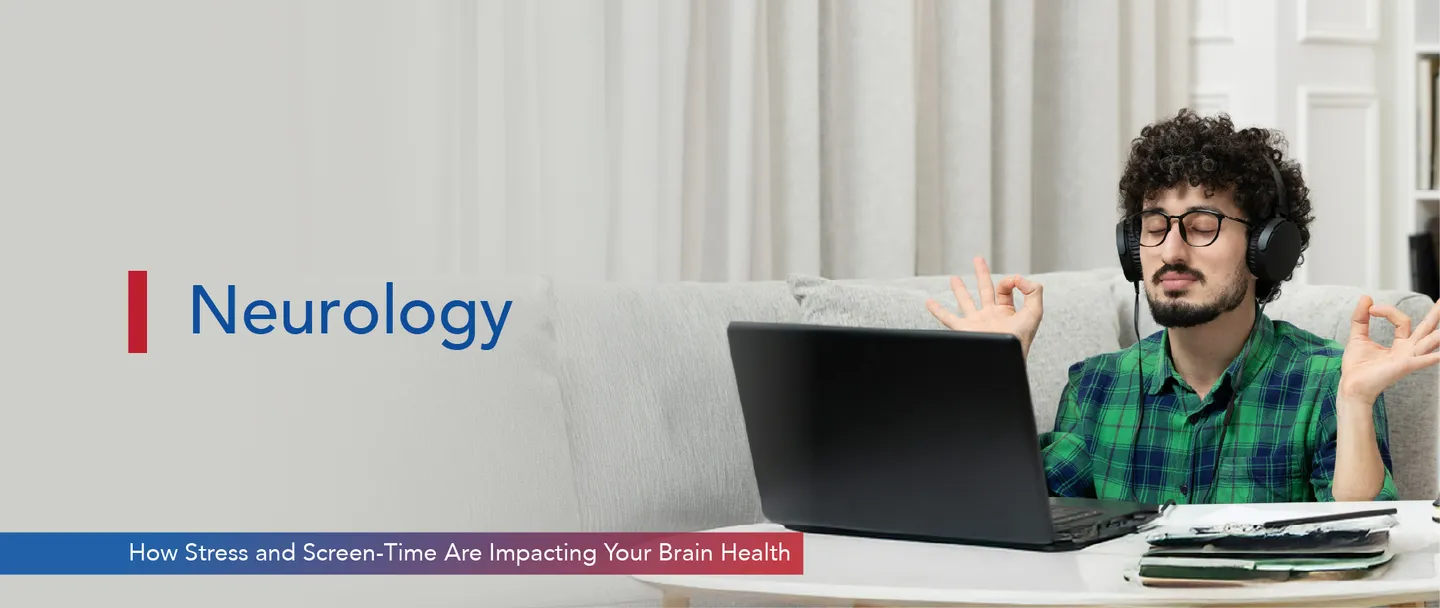
In today’s world, screen time is no longer a luxury. It has become part of how we work, learn, connect, and entertain ourselves. Whether it is checking messages, watching content, joining online meetings, or scrolling through social platforms, the brain stays active for hours.
While this has improved access and convenience, it has also raised new questions. What does too much screen time do to your brain? Is it only the eyes that feel tired, or does the brain suffer too? And most importantly, how does stress fit into this?
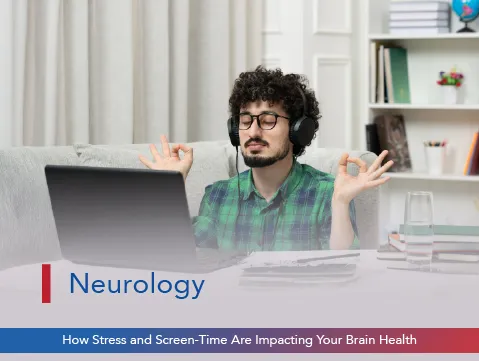
Many people now experience brain fog, poor sleep, and lack of focus after long digital sessions. These effects do not happen randomly. Studies show that screen use, when combined with stress, may affect how the brain functions and recovers. This blog explores how stress affects the brain, and how digital behaviour may be silently contributing to mental fatigue.
It is a common belief that screen time is harmful only when it exceeds a certain number of hours. But experts now say it is not just about the hours. It is about what the brain is doing during that time. When you stare at a screen, especially while multitasking or scrolling quickly, your brain receives a fast stream of visual and audio input. These signals force your brain to remain alert, even when your body feels tired.
This kind of stimulation activates parts of the brain linked to reward-seeking behaviour. Notifications, alerts, and social updates feed short-term pleasure cycles. Over time, this may reduce your ability to focus deeply on one task. The effects of screen time on brain development are more visible in children, whose brains are still wiring key emotional and learning circuits.
Some screens also emit blue light, which delays melatonin release. Melatonin is the hormone that supports sleep. When it is delayed, your brain does not receive the signal to rest. As a result, even if you are tired, you may struggle to fall asleep. This lack of rest affects memory, attention span, and the brain’s ability to filter emotions.
For those wondering, “Does screen time affect your brain?” the answer is yes. But it is not always immediate. The impact builds over time, especially when combined with daily stress, lack of movement, and disrupted sleep cycles. These habits may slowly affect emotional balance and learning ability.
Digital fatigue is now a recognised experience that affects people across different age groups. It is not just about tired eyes. It goes deeper than that. It affects mental alertness, motivation, and emotional regulation.
The impact of stress on the brain becomes more serious when digital fatigue is left unmanaged. But the good news is that small adjustments can help the brain rest and recover.
Every 20 minutes, take a 20-second break and look at something 20 feet away. This gives your eyes a chance to relax and your brain a chance to pause.
At least one hour before sleeping, step away from devices. Allow the natural sleep rhythm to return. This helps restore melatonin cycles and supports better brain recovery overnight.
If you work on a screen for more than two hours, insert short five-minute pauses. Walk, stretch, or even just close your eyes. These moments allow the brain to return to baseline activity.
Applications that keep refreshing content or give rapid updates may create habits of short-term thinking. Reducing their use helps improve attention span and mental clarity.
Reading a physical book, walking outdoors, cooking, or engaging in creative hobbies supports cognitive balance. These activities give your brain a different kind of input, which is more calming and reflective.
Many neurologists now agree that screen time is not harmful on its own. The harm begins when screen use replaces key cognitive and emotional functions like real conversations, deep sleep, or physical activity. That is why neurologists focus more on balance rather than restriction.
They recommend setting screen limits that match your routine. This includes setting boundaries for work, social use, and entertainment. Planning screen time helps avoid unconscious overuse. Finally, they advise parents to help children develop balanced habits early. Since the effects of screen time on brain development begin in the early years, structured digital habits must be introduced early and followed consistently.
The brain is the centre of all that we do. But in today’s world, stress and screen time often work against its natural rhythm. When digital use continues without awareness, it may affect memory, focus, sleep, and even emotional regulation. This does not mean technology must be avoided. It only means it must be used with care.
Whether or not you have access to the best neurology hospital in Bangalore or have met a neurologist in Bangalore or abroad, these simple changes are relevant everywhere. You do not need a diagnosis to take care of your brain. All you need is the willingness to reset your habits and give your mind the breaks it deserves.
Long screen use keeps the brain in a state of alertness. This may increase stress hormones like cortisol. Without proper breaks, this habit may worsen both mental fatigue and emotional stress over time.
Yes, children can experience stress. Their brain and emotional systems are still developing. Prolonged screen use, lack of play, or poor sleep may affect how they cope with challenges or express emotions.
Screen time may lead to tired eyes, poor sleep, mental fatigue, and shorter attention spans. In children, it may affect learning, memory, and emotional regulation if left unchecked.
Screen time becomes unhealthy when it replaces real-world experiences like movement, sleep, and social interaction. The effects are gradual, but over time, they may impact brain health and emotional wellbeing.
3 Mins Read
Categories: Neurology







How Stress and Screen-Time Are Impacting Your Brain Health is available for appointments. Please fill the below form to book an appointment.
Unlock the door to exceptional healthcare, book an appointment with SPARSH Hospital and let your journey to wellness begin.
Copyright © 2026 SPARSH Hospital, A Unit of Shiva & Shiva Orthopaedic Hospital Pvt Ltd.