Published in : Nephrology | February 20, 2026 |
 Medically Reviewed

Kidney failure may change every part of life, from diet and movement to how long and where you spend your time. Most people living with kidney failure depend on dialysis to help remove waste and excess fluid from the body. But dialysis is not a cure. It is a support system.
If you have been wondering whether a transplant could change things for the better, this blog will help explain what is kidney transplant, how it compares with dialysis, and why many people choose it as a long-term solution.
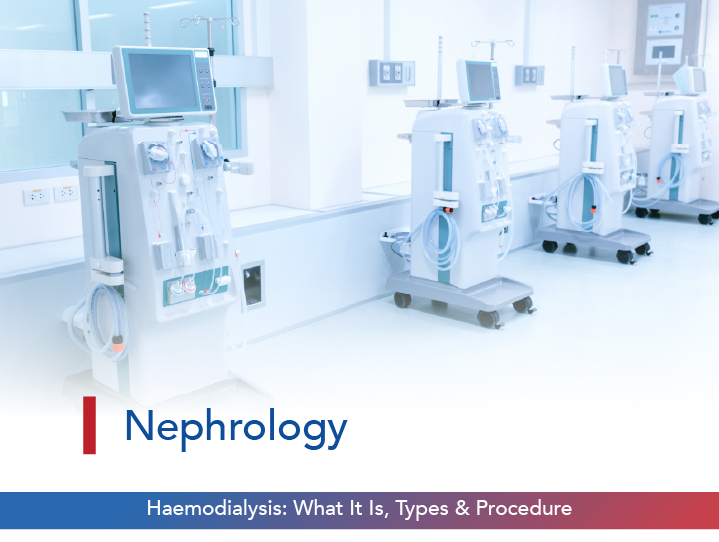
When your kidneys stop working as they should, you need a new way to remove toxins and excess fluid from your blood. Dialysis helps with this by performing some of the basic functions of the kidney through an external process. It may involve multiple sessions each week, depending on your medical condition and doctor’s advice.
A kidney transplant, on the other hand, means placing a healthy kidney from a donor into your body. This kidney then begins to do the job your own kidneys no longer manage. For many patients with end-stage kidney disease, a transplant offers a more permanent solution. While it involves a surgical procedure and regular follow-up, it often allows the person to regain a more normal routine.
When we compare kidney transplant vs dialysis, the focus often shifts to freedom, lifestyle, and long-term health. Dialysis works to manage kidney failure, but it also restricts daily activities. Transplantation is different in the way it restores function.
Dialysis involves multiple hospital or clinic visits each week. These sessions may last hours and interrupt work, travel and family life. A kidney transplant removes this burden once recovery is complete. People can resume routines with more flexibility.
Dialysis patients often feel tired or low on energy. A transplant restores kidney function more naturally, helping the body feel stronger and more active over time.
One of the most frustrating parts of dialysis is managing strict fluid and dietary rules. After a successful transplant, these restrictions are often relaxed. While some care is still needed, food and fluid intake become more manageable.
The health impact of long-term dialysis may affect the heart, bones and overall energy levels. A functioning kidney transplant helps balance hormones, remove waste and support long-term wellbeing. Many patients live longer and feel healthier after transplant compared to dialysis.
Dialysis becomes a constant part of life. In contrast, transplant patients, with proper care, may go months between follow-ups once stabilised. This shift brings back independence and confidence in day-to-day living.
The benefits of kidney transplant go beyond medical outcomes. The advantages often touch every part of life [emotional, physical, social and practical].
After recovery, most patients experience a rise in energy and enthusiasm. Everyday tasks become easier, sleep improves and the constant fatigue associated with dialysis fades.
Kidney transplant advantages include a return to school, work, hobbies and travel. These activities become easier to manage without the scheduling and physical impact of dialysis.
Often, patients find that their minds are healthier once transplanted. The freedom from having to sit for treatment all day and having to worry about your health helps take away the anxiety and regain a sense of control.
Clinical evidence shows that those who have successful transplants may be able to live longer than those who are on dialysis. A functioning kidney supports the other organs and helps to minimise long-term complications.
While a transplant is associated with up-front costs, long-term dialysis care accumulates over the years. Many find that a transplant becomes more financially effective in the long run with reduced hospital visits and continuing procedures.
The journey does not end after the surgery. Life after a transplant involves a new rhythm. It means regular check-ups, daily medications and following your care team’s instructions. But compared to the routine of dialysis, this lifestyle is often easier to handle.
Patients are usually encouraged to stay active, maintain a balanced diet and protect the new kidney from infections. Staying hydrated is essential, as is regular lab testing to monitor how the kidney is functioning. With support from family, a strong will, and ongoing care from a nephrologist in Bangalore or your trusted local expert, most people adapt well.
For advanced procedures or complications, people often turn to the best nephrology hospital in Bangalore or other high-specialty centres for guidance. These teams work together to ensure that recovery and long-term care go hand in hand.
A kidney transplant is not simply a medical procedure. It is often the start of a more independent and active life for someone who has lived with the limits of dialysis. While the choice between dialysis and transplant depends on each individual’s health and preferences, knowing the differences and benefits helps you make an informed decision.
Understanding what is kidney transplant, how it compares with dialysis and what to expect after the procedure helps prepare the mind and body for the change ahead. With the right support, most people find that transplantation opens the door to freedom, routine, and renewed purpose.
Yes! Most kidney transplants are performed after a period of dialysis. If your overall health remains stable and a suitable donor is found, transplantation may become the next step in treatment.
Transplantation may reduce fatigue, improve appetite, support active lifestyle choices and restore daily independence. It allows most people to enjoy social activities, travel and work without being tied to dialysis sessions.
Life becomes more flexible. While you will still attend regular check-ups and follow care guidelines, you gain energy, reduce medical dependency and enjoy fewer dietary and travel restrictions.
Statistically, people with successful transplants may live longer than those on long-term dialysis. The functioning kidney supports other organs and helps maintain a better internal balance.
In most chronic kidney failure cases, kidney function does not return on its own. Dialysis supports the body while waiting for a transplant, but recovery of natural function without surgery is rare.
3 Mins Read
Categories: Nephrology












From Dialysis to New Life: Understanding the Benefits of Kidney Transplant is available for appointments. Please fill the below form to book an appointment.
Unlock the door to exceptional healthcare, book an appointment with SPARSH Hospital and let your journey to wellness begin.
Copyright © 2026 SPARSH Hospital, A Unit of Shiva & Shiva Orthopaedic Hospital Pvt Ltd.