Published in : Orthopedics | December 8, 2025 |
 Medically Reviewed
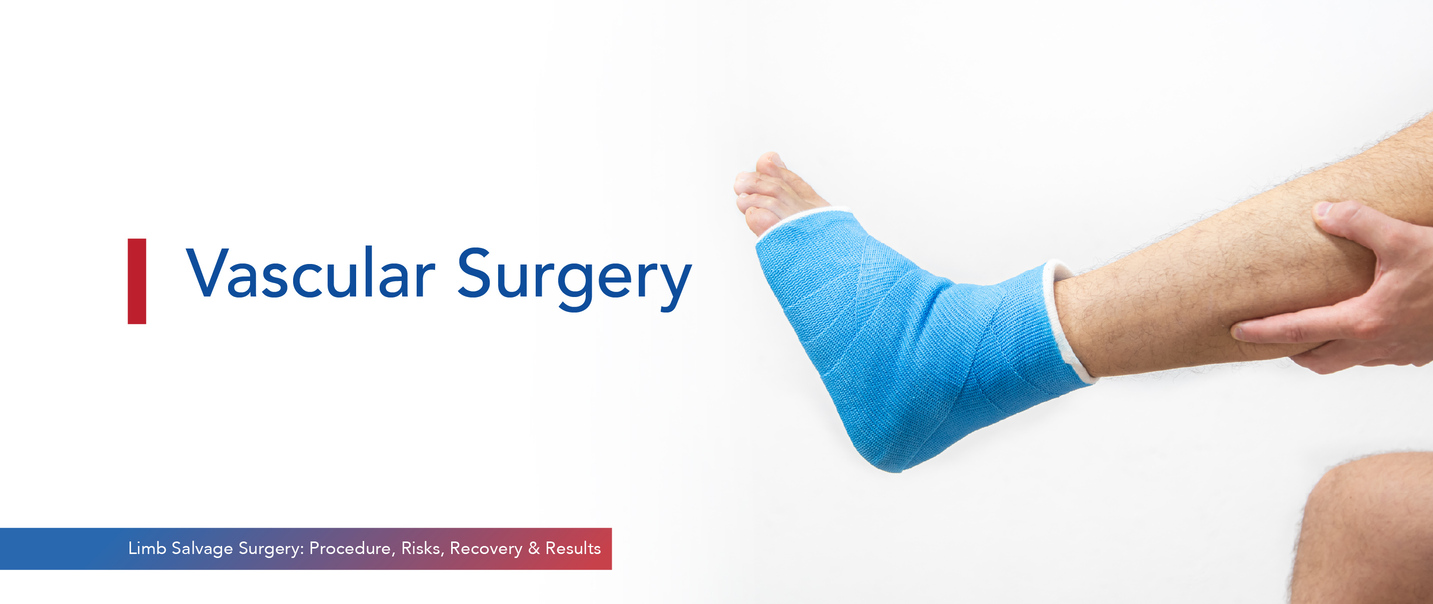
Limb Salvage Surgery is a highly advanced surgical procedure designed to remove bone or soft tissue tumours, especially in conditions like osteosarcoma, while preserving as much of the patient’s limb as possible. This operation aims to save the arm or leg, maintaining function and appearance without compromising cancer control.
Limb Salvage Surgery, also known as limb-sparing surgery, is a surgical approach used to remove cancerous tumours or infected bone tissue without amputating the affected limb. The primary goal is to remove the tumour completely while preserving the limb’s structure, function, and appearance.
In cases of limb salvage osteosarcoma, surgeons meticulously excise the tumour along with a margin of healthy tissue to prevent recurrence. The removed section is then reconstructed using prosthetics, bone grafts, or metal implants to restore stability and function.
This complex procedure requires coordination among specialists in oncology, orthopaedics, vascular surgery, and plastic reconstruction, ensuring optimal results for patients.
Limb salvage operations are typically performed for patients diagnosed with bone or soft tissue sarcomas, osteosarcoma, or Ewing’s sarcoma. It may also be recommended in cases of severe trauma, infection, or vascular disease, where the goal is to avoid amputation.
Common Indications:
Each case is carefully evaluated through imaging tests, biopsies, and clinical assessments before deciding whether limb salvage is a feasible and safe option.
The limb salvage operation is a multi-stage process involving tumour removal, reconstruction, and rehabilitation.
Patients undergo detailed imaging studies such as MRI, CT scans, PET scans, and angiography to assess tumour size, location, and involvement of nearby blood vessels and nerves. The surgical team, including the best oncologist in Bangalore and vascular experts, plan the approach to maximise tumour removal and limb preservation.
The surgeon removes the cancerous bone or tissue along with a small margin of healthy tissue to ensure complete excision. If nearby blood vessels or nerves are involved, vascular and endovascular surgery may be performed to repair or reconstruct them.
Once the tumour is removed, the limb is reconstructed using one or more of the following:
After surgery, the limb is immobilised to allow healing. Physiotherapy begins gradually to restore strength, mobility, and coordination.
Although limb salvage surgery offers excellent outcomes, it is a complex procedure with potential risks. These risks depend on the tumour type, size, and the patient’s overall health.
Common Risks Include:
At SPARSH Hospitals, our multidisciplinary team ensures every precaution is taken to minimise risks through advanced surgical planning and postoperative monitoring.
Recovery after a limb salvage operation varies from patient to patient, depending on the extent of surgery, reconstruction method, and overall health.
Most patients stay in the hospital for 1–2 weeks after surgery for close observation and wound care.
Physiotherapy is crucial for restoring mobility and strength. Exercises focus on joint movement, muscle control, and gait training. Rehabilitation can last several months but is essential for regaining independence.
Patients must follow strict wound care protocols and attend follow-up appointments to ensure proper healing and detect any early signs of infection or implant complications.
Adopting a healthy lifestyle with balanced nutrition, smoking cessation, and regular low-impact exercise helps speed up recovery and enhance long-term limb function.
Recovery from limb salvage surgery can be physically and emotionally challenging. Psychological counselling and patient support groups can help patients adapt and regain confidence.
The success rate of limb salvage surgery has improved significantly with advancements in surgical techniques and prosthetic materials. Today, over 90% of bone cancer patients are eligible for limb-sparing procedures, achieving excellent survival and functional outcomes.
Benefits of Limb Salvage Surgery:
At SPARSH Hospitals, the collaboration between orthopaedic oncologists, vascular surgeons, and rehabilitation specialists ensures patients receive holistic care throughout their journey—from diagnosis to recovery.
SPARSH Hospitals is one of the few centers in India with dedicated expertise in Musculoskeletal Oncology and Vascular and Endovascular Surgery. Our state-of-the-art surgical facilities, advanced imaging technology, and multidisciplinary approach make us a leading destination for limb salvage surgery in Bangalore.
Our Expertise Includes:
Expert consultation with the best oncologist and vascular surgeon in Bangalore
If you or your loved one has been diagnosed with osteosarcoma, bone cancer, or a complex limb injury, it’s crucial to consult a specialist early. At SPARSH Hospitals, our experts evaluate each case individually to determine if limb salvage is a safe and effective alternative to amputation.
To schedule a consultation, visit SPARSH Hospitals – Bangalore’s trusted centre for orthopaedic oncology and vascular surgery.
Limb Salvage Surgery represents a breakthrough in modern surgical oncology, offering patients a chance to retain their limbs and lead active, fulfilling lives. With expert surgical care, advanced technology, and comprehensive rehabilitation, patients can achieve remarkable outcomes. SPARSH Hospitals continues to pioneer excellence in limb salvage operations, ensuring patients receive world-class treatment and compassionate care.
Limb Salvage Surgery is a procedure to remove bone or soft tissue tumours without amputating the affected limb. It preserves the limb’s function and appearance.
Patients with bone cancers like osteosarcoma or those with severe trauma or infection may benefit from this surgery.
Recovery typically takes 6–12 months, depending on the surgery’s complexity and the patient’s rehabilitation progress.
In most cases, limb salvage offers better physical and emotional outcomes, as it preserves mobility and body image.
There is a small chance of recurrence, which is why regular follow-ups and imaging tests are crucial.
3 Mins Read
Categories: Orthopedics









Limb Salvage Surgery: Procedure, Risks, Recovery & Results is available for appointments. Please fill the below form to book an appointment.
Unlock the door to exceptional healthcare, book an appointment with SPARSH Hospital and let your journey to wellness begin.
Copyright © 2026 SPARSH Hospital, A Unit of Shiva & Shiva Orthopaedic Hospital Pvt Ltd.