Published in : Oncology | December 8, 2025 |
 Medically Reviewed
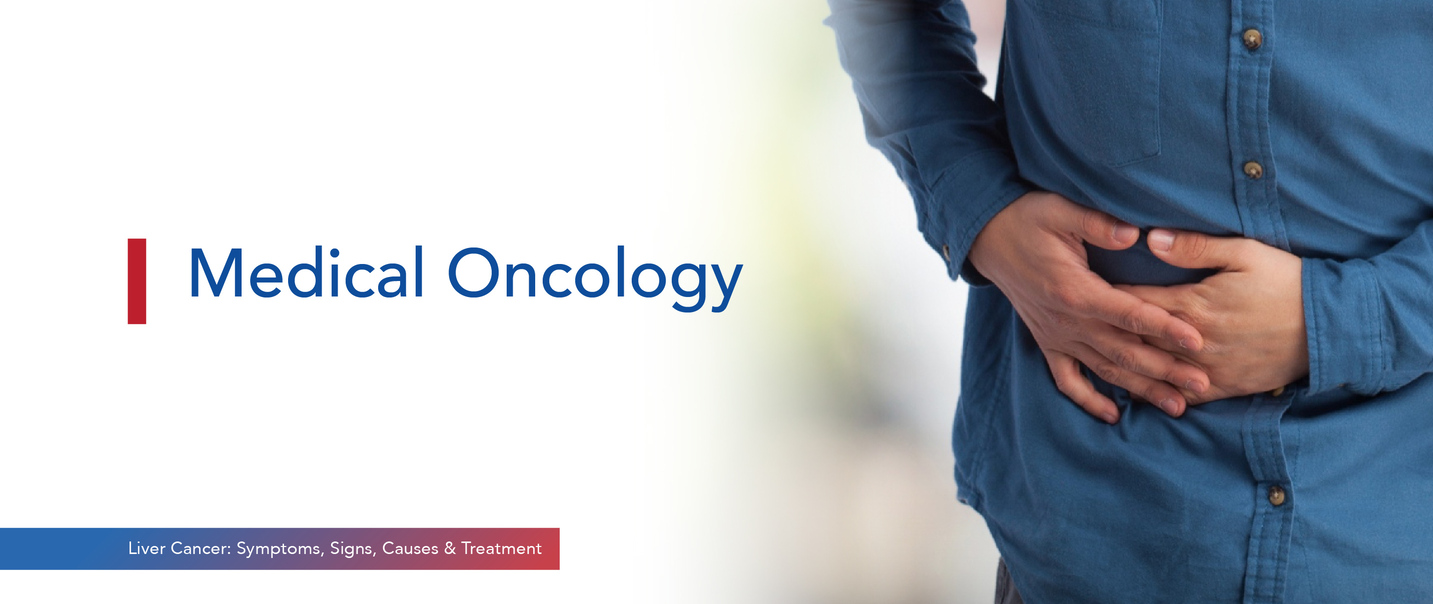
Liver cancer, also known as hepatocellular carcinoma (HCC), is one of the most common and life-threatening cancers worldwide. It develops primarily in the liver cells (hepatocytes) or the bile ducts (cholangiocarcinoma). With the increasing prevalence of fatty liver disease, hepatitis infections, and lifestyle-related conditions, liver cancer cases are rising globally, including in India. Early diagnosis and timely treatment are key to improving survival and quality of life.
The liver plays a vital role in metabolism, detoxification, and nutrient storage. When cancerous cells develop in the liver, they can disrupt these essential functions and spread rapidly.
Liver cancer can be primary, originating in the liver, or secondary (metastatic), where cancer spreads from other parts of the body, such as the colon, breast, or lungs.
The most common type of liver cancer, HCC, usually develops in people with chronic liver diseases such as cirrhosis or hepatitis B and C.
This cancer arises from the bile ducts inside or outside the liver. It is aggressive and often diagnosed at an advanced stage.
A rare form of liver cancer that originates in the blood vessels of the liver.
A rare liver cancer found mainly in children, typically under the age of three.
In the early stages, liver cancer often causes no symptoms. As the disease progresses, signs may become more evident.
Common symptoms of liver cancer include:
If you experience any of these symptoms persistently, it is crucial to seek medical evaluation from an experienced oncologist in Bangalore for timely diagnosis.
Liver cancer usually develops in individuals with underlying liver disease. Understanding the causes can help in prevention and early detection.
Long-term infection with Hepatitis B or Hepatitis C virus significantly increases the risk of developing hepatocellular carcinoma (HCC cancer).
Cirrhosis is a condition where healthy liver tissue is replaced by scar tissue, impairing liver function. It can result from chronic alcohol abuse, hepatitis, or non-alcoholic fatty liver disease.
Non-alcoholic fatty liver (NAFLD) and non-alcoholic steatohepatitis (NASH) are increasingly recognised as major risk factors for liver cancer, especially in individuals with obesity, diabetes, or metabolic syndrome.
Chronic heavy alcohol intake can lead to liver inflammation, cirrhosis, and eventually liver cancer.
Aflatoxins are toxic substances produced by certain moulds found on improperly stored grains and nuts. Long-term exposure increases liver cancer risk.
Conditions like hemochromatosis (iron overload) and Wilson’s disease (copper buildup) can also increase cancer risk.
Both conditions contribute to fatty liver and insulin resistance, creating an environment conducive to cancer growth.
Early detection is vital for effective treatment. At SPARSH Hospitals, our team employs cutting-edge diagnostic methods, including:
Liver cancer is classified into stages based on tumour size, spread, and liver function:
At SPARSH Hospitals, we offer personalised liver cancer treatment plans tailored to the stage and overall health of each patient.
Treatment for liver cancer depends on several factors, such as cancer stage, liver function, and patient health. The main options include:
Partial Hepatectomy: Removal of the affected portion of the liver. Suitable for early-stage cancers with good liver function.
Liver Transplant for Stage 4 Liver Cancer:
In select cases, patients with advanced liver cancer may be eligible for a liver transplant, replacing the diseased liver with a healthy donor organ.
Radiation therapy uses high-energy rays to target and destroy cancer cells. It is often used to shrink tumours before surgery or to relieve pain in advanced stages.
Chemotherapy may be administered intravenously or directly into the liver (hepatic artery infusion) to destroy cancer cells and prevent further spread.
Drugs like sorafenib and lenvatinib are used to block specific pathways that promote cancer growth in HCC cancer.
This treatment boosts the body’s immune system to recognise and attack cancer cells. Drugs such as nivolumab and pembrolizumab have shown promising results.
Techniques like radiofrequency ablation (RFA) and microwave ablation use heat to destroy cancerous tissue, especially in small tumours.
For patients with stage 4 liver cancer, palliative care focuses on symptom management and improving quality of life.
While not all cases are preventable, the risk can be significantly reduced through lifestyle and medical measures:
SPARSH Hospitals is recognised as one of the best cancer hospitals in Bangalore, offering comprehensive cancer care with advanced diagnostic tools and treatment technologies.
Our team includes the best oncologists in Bangalore, specialising in liver and gastrointestinal cancers. From early detection to complex surgeries and radiation therapy, we ensure personalised and compassionate care at every step.
Liver cancer is a serious condition, but early detection and timely treatment can significantly improve outcomes. Understanding the symptoms, causes, and treatment options is crucial for effective management.
At SPARSH Hospitals, we combine medical expertise, advanced technology, and a patient-centred approach to deliver the best possible care. If you or a loved one experiences signs of liver disease or has been diagnosed with liver cancer, consult our expert oncologists today for a comprehensive treatment plan.
Early signs include fatigue, unexplained weight loss, loss of appetite, and abdominal discomfort.
Yes, fatty liver and non-alcoholic steatohepatitis (NASH) can progress to cirrhosis and increase the risk of hepatocellular carcinoma.
Stage 4 liver cancer treatment includes targeted therapy, immunotherapy, and, in select cases, liver transplant or palliative radiation therapy to manage symptoms.
If detected early, liver cancer can be treated effectively through surgery, transplant, or localised therapies. Advanced stages focus on extending survival and improving quality of life.
SPARSH Hospitals has some of the best oncologists in Bangalore, specialising in advanced HCC cancer management, offering cutting-edge treatments and compassionate care.
3 Mins Read
Categories: Oncology



Liver Cancer: Symptoms, Signs, Causes & Treatment is available for appointments. Please fill the below form to book an appointment.
Unlock the door to exceptional healthcare, book an appointment with SPARSH Hospital and let your journey to wellness begin.
Copyright © 2026 SPARSH Hospital, A Unit of Shiva & Shiva Orthopaedic Hospital Pvt Ltd.