Published in : Oncology | December 5, 2025 |
 Medically Reviewed
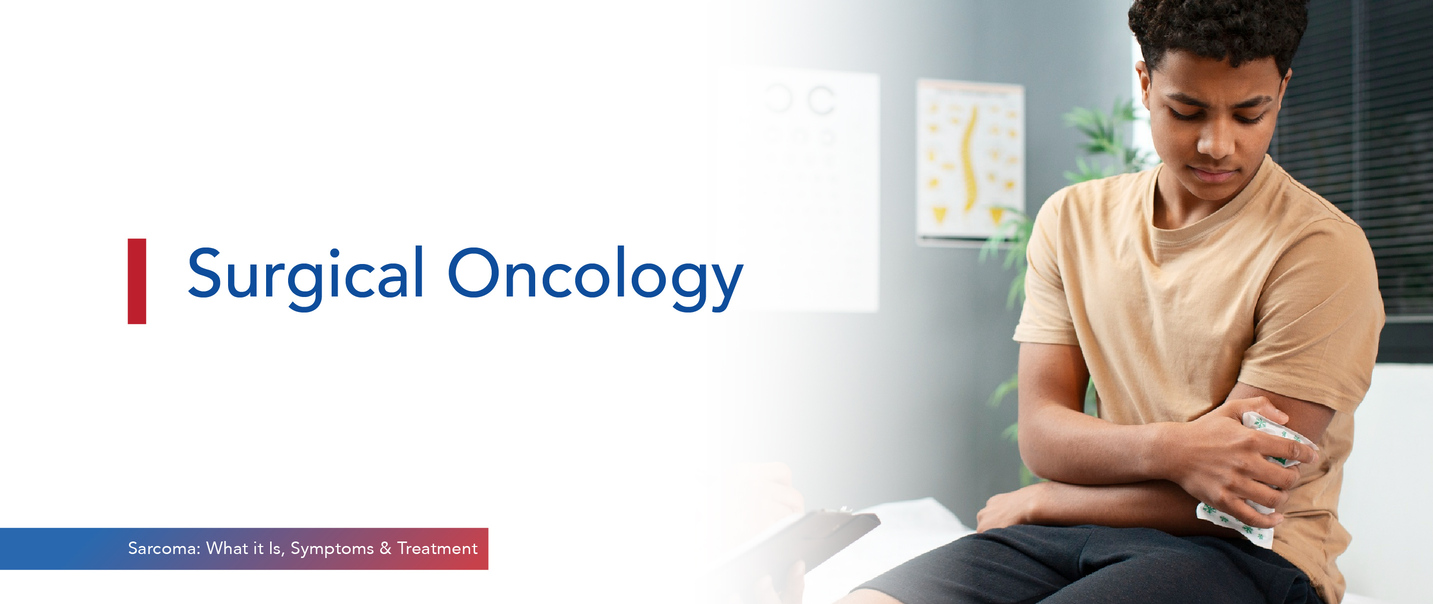
Sarcoma is a rare but serious type of cancer that develops in the body’s connective tissues such as bone, muscle, fat, nerves, or cartilage. While it accounts for a small percentage of all cancers, sarcoma can occur anywhere in the body and affects both adults and children. Early detection and treatment are essential for improving recovery outcomes.
Sarcoma refers to a group of cancers that originate in the body’s connective or supportive tissues. Unlike carcinomas, which begin in the organs or glands, sarcomas develop in the bones, muscles, tendons, and fatty tissues. Because these tissues exist throughout the body, sarcomas can arise almost anywhere—from the arms and legs to the abdomen or chest.
Sarcoma cancers are broadly divided into two main categories:
Though rare, sarcomas can be aggressive. Early diagnosis by a specialist at a reputed Surgical Oncology Hospital in Bangalore like SPARSH can make a significant difference in treatment success and long-term outcomes.
There are over 50 different types of sarcoma, each with distinct characteristics, locations, and treatment requirements. Some of the most common types include:
A form of bone sarcoma, osteosarcoma primarily affects the long bones in the arms or legs. It is more common in teenagers and young adults. Symptoms often include localized pain, swelling, and difficulty moving the affected limb.
This sarcoma bone cancer originates in cartilage, the flexible tissue that cushions bones and joints. It usually develops in the pelvis, shoulder, or ribs and tends to affect older adults.
Common among children and young adults, Ewing sarcoma typically arises in the bones or surrounding soft tissue of the legs, pelvis, or spine.
A soft tissue sarcoma that begins in fat cells, most often in the thighs or abdomen. It may grow slowly at first but can become aggressive if not detected early.
This cancer originates in smooth muscles, often found in the uterus, stomach, or intestines. It’s more common in middle-aged and older adults.
Because sarcomas are rare and diverse, accurate diagnosis by an experienced oncologist is essential for determining the most effective sarcoma treatment approach.
The symptoms of sarcoma cancer vary depending on the type and location of the tumor. In the early stages, sarcomas may not cause noticeable symptoms, making early detection challenging. However, common signs include:
If you experience persistent pain, swelling, or an unexplained lump, consult a cancer specialist at SPARSH Hospitals — a leading Oncology Hospital in Bangalore — for timely evaluation and diagnosis.
The exact sarcoma causes are not fully understood, but several factors may increase the risk of developing this rare cancer:
While these factors can elevate risk, sarcoma can develop without any identifiable cause. Regular checkups and awareness of symptoms are vital for early detection.
Accurate diagnosis is crucial for effective sarcoma treatment. At SPARSH Hospitals, our multidisciplinary oncology team uses advanced diagnostic tools, including:
The Best Oncologists in Bangalore at SPARSH Hospitals specialise in comprehensive cancer evaluations to ensure accurate diagnosis and personalised care.
Treatment for sarcoma cancer depends on factors like the type, stage, and location of the tumor. Common sarcoma treatment options include:
Surgical removal of the tumor is the primary treatment for most sarcomas. Specialists in Surgical Oncology at SPARSH Hospitals use advanced techniques to remove cancer while preserving nearby organs and tissues. Limb-sparing surgeries are often possible, reducing the need for amputation in bone sarcoma cases.
High-energy radiation targets and destroys cancer cells. It’s often used before surgery to shrink tumors or after surgery to eliminate remaining cancer cells.
Powerful drugs are administered to kill or slow the growth of cancer cells. Chemotherapy is especially effective for aggressive sarcoma types like Ewing sarcoma and osteosarcoma.
These modern treatments focus on specific genetic or molecular features of cancer cells, offering more precise and less toxic treatment options.
At SPARSH Hospitals, patients benefit from advanced technology, compassionate care, and a team of experts in Musculoskeletal Oncology and Surgical Oncology dedicated to achieving the best possible outcomes.
Recovery from sarcoma treatment varies depending on the individual and the extent of the disease. Rehabilitation may involve physical therapy, pain management, and emotional support. Regular follow-up appointments are essential to monitor for recurrence and manage long-term side effects.
At SPARSH Hospitals, our integrated oncology program ensures continuous support from diagnosis to recovery, helping patients regain strength and quality of life.
While it’s difficult to prevent sarcoma entirely, maintaining overall health and awareness can help:
Attend regular checkups at trusted Oncology Hospitals in Bangalore, like SPARSH, for early detection and screening.
Consult a doctor immediately if you experience:
SPARSH Hospitals’ team of Oncology and Musculoskeletal specialists is equipped to diagnose and treat sarcoma effectively. If you’re seeking the Best Oncologist in Bangalore or advanced care at a reputed Surgical Oncology Hospital in Bangalore, SPARSH offers comprehensive evaluation and personalised treatment plans.
Sarcoma is a rare but treatable form of cancer when diagnosed early and managed by experienced oncologists. Through cutting-edge surgical techniques, personalised therapies, and compassionate care, SPARSH Hospitals provides world-class treatment for sarcoma bone cancer, soft tissue sarcomas, and other malignancies.
If you or a loved one is experiencing symptoms or has been diagnosed with sarcoma, seek expert guidance at SPARSH Hospitals, your trusted destination for Oncology and Musculoskeletal Oncology in Bangalore. Early intervention can make all the difference in achieving a positive outcome.
Sarcoma is a rare cancer that starts in the body’s connective tissues—such as bones, muscles, fat, or cartilage. It can develop anywhere in the body and affects both children and adults.
Sarcomas are broadly classified into two types:
The exact cause is unknown, but risk factors include genetic mutations, family history, prior radiation exposure, and certain inherited syndromes like Li-Fraumeni or neurofibromatosis.
A painless lump, swelling, or unexplained pain are common early signs. As the tumor grows, it may cause restricted movement, fatigue, or fractures in the case of bone sarcoma.
Diagnosis involves a physical exam, imaging tests (MRI, CT, PET scans), and a biopsy to confirm the tumor type. Molecular tests may help identify gene mutations that guide treatment.
Treatment may include:
At SPARSH Hospitals, each plan is customised for the patient’s condition and cancer stage.
Yes, sarcoma can be treated successfully—especially when diagnosed early and managed by experienced oncologists. Outcomes depend on the type, size, and spread of the tumor.
Recurrence is possible. Regular follow-ups and imaging tests are essential after treatment to detect any signs of the cancer returning early.
People with certain inherited conditions, prior radiation exposure, or a family history of sarcoma are at higher risk. However, sarcoma can occur in anyone, even without known risk factors.
See a doctor if you notice a lump that grows, persistent bone pain, or swelling that doesn’t improve. Early diagnosis by an oncologist can improve treatment success and survival rates.
3 Mins Read
Categories: Oncology


Sarcoma: What it Is, Symptoms & Treatment is available for appointments. Please fill the below form to book an appointment.
Unlock the door to exceptional healthcare, book an appointment with SPARSH Hospital and let your journey to wellness begin.
Copyright © 2026 SPARSH Hospital, A Unit of Shiva & Shiva Orthopaedic Hospital Pvt Ltd.