Published in : Neurology | December 31, 2025 |
 Medically Reviewed
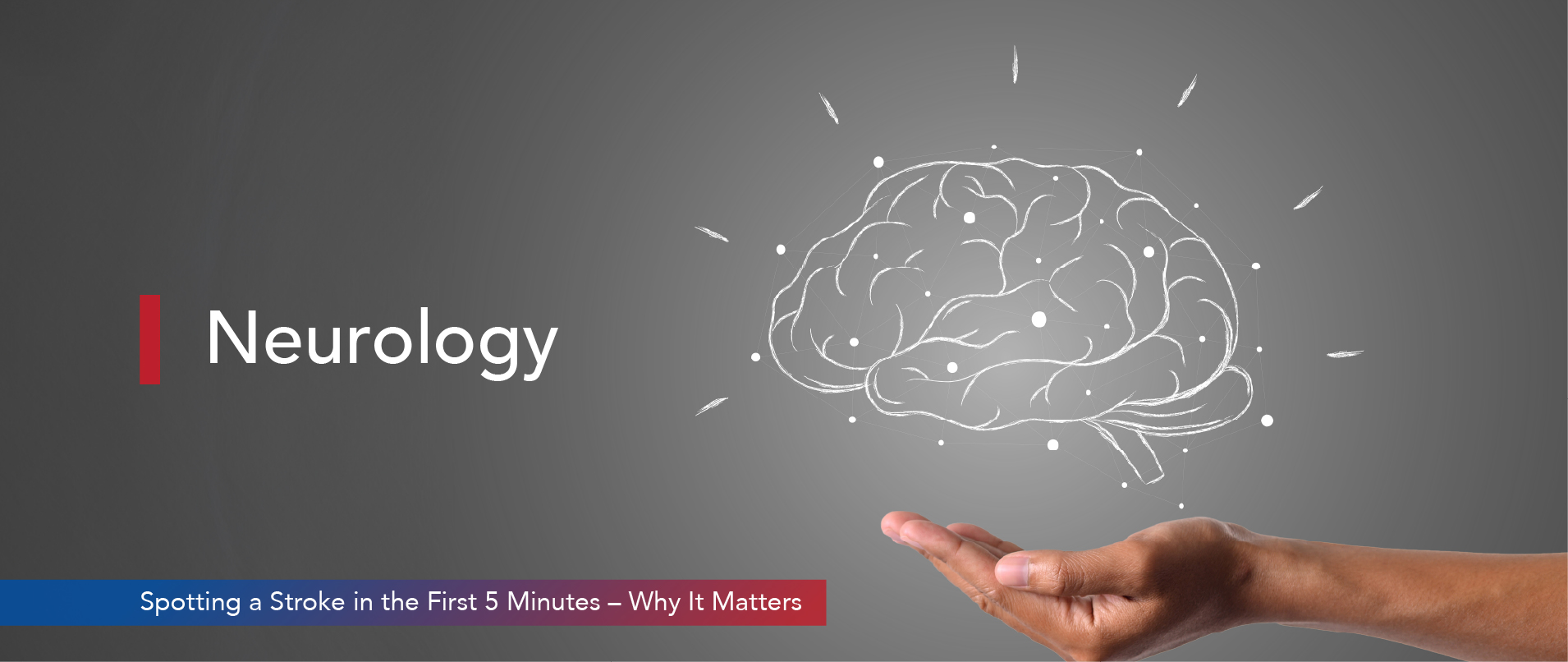
A stroke is one of the most time-sensitive medical emergencies affecting individuals of all age groups. Most people do not expect it to happen to them or their loved ones. Yet when it does, knowing what to do in the first five minutes may shape the entire outcome.
In today’s world of fast-paced content and even faster attention spans, critical health information like this is often overlooked. The ability to detect the earliest signs of a stroke may support faster intervention and better recovery.
A stroke is a medical condition that disrupts the supply of blood to a part of the brain. Without adequate oxygen and nutrients, the affected brain cells may begin to deteriorate in minutes. The brain relies on uninterrupted blood flow to function normally.
Any blockage or rupture in blood vessels may lead to complications involving motor function, cognition, vision, or communication. The severity and long-term impact depend largely on how early the stroke is recognised and how quickly medical support is provided.
There are three primary types of stroke. Each has a distinct cause but may present with similar symptoms in the early phase.
This is the most common form. It occurs when a clot or a narrowed artery blocks blood flow to part of the brain. It may develop due to fat build-up, a heart condition, or irregular blood circulation.
This occurs when a blood vessel in the brain bursts. The resulting bleeding may increase pressure and swelling, disrupting brain function. It is often linked to long-standing high blood pressure or vascular defects.
Often called a mini-stroke, this happens when the blockage is temporary. Symptoms may disappear within minutes, but the risk of a major stroke increases significantly after a TIA.
The phrase “spotting a stroke in the first five minutes” reflects the importance of early detection. The damage from a stroke may progress quickly. Brain cells begin to malfunction due to a lack of oxygen. Within minutes, physical and cognitive changes may appear. By understanding early stroke symptoms, individuals may act promptly. Here are the most recognised warning signs of a stroke:
A sudden loss of muscle control on one side of the face may occur. The person’s smile may appear uneven, or one eye may seem lower than the other. This results from impaired nerve signals reaching the facial muscles.
The person may be unable to lift both arms evenly. One arm may drift downward or feel numb. This results from brain areas linked to motor control becoming oxygen-deprived.
The person may slur words, use inappropriate phrases, or be unable to understand spoken language. This results from the interruption of blood flow to language-processing regions of the brain.
If any of these symptoms are observed, the person must be brought to medical attention without delay. Recording the time when symptoms first appeared may support the care team in making time-bound decisions.
Other early signs of stroke may include:
Each of these signs reflects disrupted brain function due to a lack of oxygen supply. The earlier they are recognised, the greater the likelihood of preserving brain tissue and preventing complications.
Many individuals ignore early signs of a stroke or wait for symptoms to resolve on their own. This delay may have life-changing consequences. Public awareness plays a crucial role in improving stroke outcomes.
When people in a community know how to recognise a stroke, they may support timely diagnosis and emergency care. This awareness is particularly important in households with elderly members or individuals with chronic medical conditions. Global stroke statistics continue to rise, yet a significant portion of cases may respond well if recognised early.
The impact of a stroke depends on the area of the brain affected and the extent of damage. Life after stroke may involve physical, emotional, and cognitive changes. Some individuals experience difficulty in walking, speaking, or performing daily activities. Others may notice memory lapses or changes in mood.
Recovery may include physiotherapy, occupational therapy, and speech-language rehabilitation. Some individuals require assistive devices or long-term support. Emotional adjustment may also be necessary as confidence, identity, or independence may feel challenged. Understanding that recovery is a phased process supported by professional intervention may help patients and families plan ahead with hope and resilience.
While not all strokes are preventable, many are linked to manageable risk factors. Lifestyle and medical habits play an essential role in reducing the chances of a stroke. Steps that may help lower risk include:
Early intervention for minor symptoms or TIAs may also lower the risk of major stroke events in the future.
Knowing how to identify a stroke is the first step. Acting on that knowledge is what truly makes the difference. Immediate medical attention must be sought when a person displays sudden difficulty in walking, speaking, or responding. Even if the symptoms resolve within a few minutes, medical evaluation remains important.
A stroke may occur silently, or its signs may be subtle. Any sudden neurological change in behaviour, speech, or movement must prompt a call to emergency services. There is no benefit in waiting to see if the issue improves. The first five minutes may offer the best opportunity for recovery.
Spotting a stroke in the first five minutes may be one of the most important health decisions an individual makes. Recognising the early signs of stroke and taking immediate action may help preserve brain function and prevent complications. While the stroke experience differs from person to person, early detection remains universally beneficial.
In a world where delays are often caused by hesitation or lack of awareness, knowledge may become the most effective tool. Medical teams worldwide, including the best neurologists in Bangalore and beyond, emphasise the importance of timely stroke care. The journey of life after stroke may be long, but it begins with one early choice – recognition.
Yes. A stroke may be spotted early by observing sudden changes in speech, movement, or facial symmetry. Early signs of stroke, such as arm weakness or slurred speech, may appear within minutes of a disruption to the brain’s blood supply.
A silent stroke may not have obvious physical symptoms but may be discovered through changes in memory, balance, or coordination. It is often found during imaging tests conducted for unrelated issues or after repeated unnoticed events.
Stage 1 may refer to the initial onset phase when early stroke symptoms begin to develop. This may include slight facial drooping, confusion, or limb weakness. Immediate detection during this stage offers the best window for effective treatment.
The FAST test refers to Face drooping, Arm weakness, Speech difficulty, and Time to call emergency services. It is a simple tool used globally to identify the key signs of a stroke and prompt immediate action.
A mild stroke may cause temporary symptoms such as numbness, difficulty speaking, blurred vision, or slight imbalance. These may last a few minutes to a few hours and still require urgent medical attention to avoid further complications.
3 Mins Read
Categories: Neurology
Spotting a Stroke in the First 5 Minutes – Why It Matters is available for appointments. Please fill the below form to book an appointment.
Unlock the door to exceptional healthcare, book an appointment with SPARSH Hospital and let your journey to wellness begin.
Copyright © 2026 SPARSH Hospital, A Unit of Shiva & Shiva Orthopaedic Hospital Pvt Ltd.