Published in : Endocrinology and diabetology | February 12, 2026 |
 Medically Reviewed

When someone struggles to lose weight or notices that they are gaining weight too easily, one of the first things they might hear is, “Get your thyroid checked.” While it is true that thyroid disorders play a role in regulating body weight, not everything we hear about it is accurate.
In fact, many people fall into the trap of blaming the thyroid for every change in their body, without understanding how the gland actually works. The result is unnecessary confusion and often delayed diagnosis or treatment.
In this blog, we will break down some of the most common myths about thyroid disease and metabolism. If you have ever wondered why your metabolism feels slower or why your weight feels harder to manage, then this may help clear a few things up.
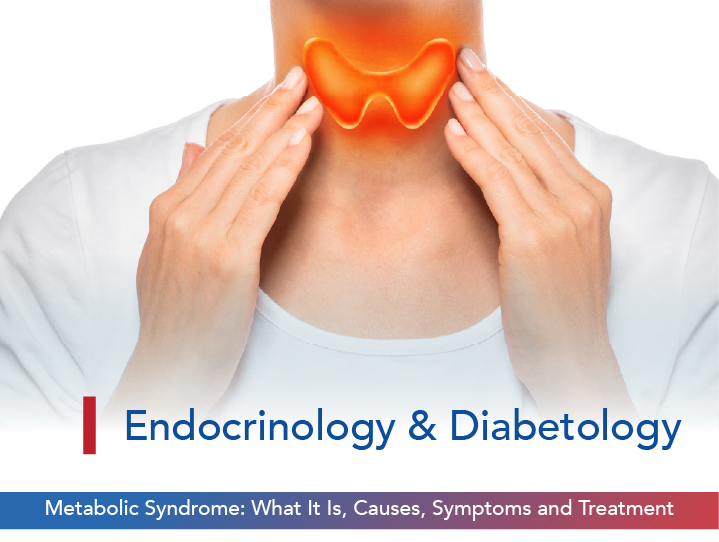
The thyroid gland is a small, butterfly-shaped gland located in your neck. It produces two primary hormones, i.e., T3 and T4, which regulate your body’s metabolism. These hormones determine how fast or slow your body uses energy. In simple terms, when the thyroid is functioning well, metabolism runs smoothly.
If your thyroid becomes underactive (a condition called hypothyroidism), hormone levels drop and your metabolism slows down. This may cause weight gain, tiredness, cold sensitivity, and slower digestion. On the other hand, if your thyroid becomes overactive (a condition called hyperthyroidism), it speeds up your metabolism, which may lead to sudden weight loss, anxiety, and increased heart rate.
Understanding the connection between the thyroid and metabolism is important. It helps us figure out when to look beyond food and exercise and start considering whether hormonal changes may be playing a role. If you are experiencing persistent changes in energy, appetite, or weight despite consistent habits, it may be worth discussing this with a medical expert.
People often search for answers when their body behaves unexpectedly. Unfortunately, the internet is full of mixed information that may make things worse. Let us now look at some common thyroid myths and clear up the confusion.
This is one of the most common myths about thyroid disease. In reality, thyroid disorders are not uncommon. Many people across age groups experience thyroid imbalance at some point in their lives. The signs may not always be obvious, which is why the condition often goes unnoticed for a long time.
This is simply not true. While hypothyroidism may lead to weight gain in some people, thyroid disorders may affect people of all body sizes. Even those who appear thin or fit may suffer from thyroid dysfunction, especially if other symptoms such as fatigue or mood swings are present.
Medication for hypothyroidism is designed to restore hormone levels to normal [not to cause weight loss]. If you are expecting the medicine to fix your metabolism instantly, you may be disappointed. Proper weight management still depends on overall lifestyle, diet, and activity levels.
Some people believe that physical activity becomes useless when thyroid imbalance exists. The truth is that exercise remains one of the most powerful tools for managing body weight, improving energy, and supporting hormone health. The type and intensity of movement may need to be adjusted, but skipping activity completely may make the condition worse.
There are different types of thyroid issues. For example, Hashimoto’s thyroiditis is an autoimmune condition that leads to hypothyroidism, while Graves’ disease causes hyperthyroidism. Each condition requires different monitoring and treatment. Lumping them together leads to poor management and more confusion.
It is easy to blame the thyroid when you notice unexpected weight gain. But in many cases, weight changes may be linked to other factors such as diet, sleep, stress, or hormonal shifts unrelated to the thyroid. An evaluation by a qualified specialist may help identify the real cause.
If you are unsure whether your thyroid is affecting your body, do not rely only on online symptom checklists. The best way to rule out or confirm thyroid dysfunction is through proper blood tests and consultation.
Not all symptoms are easy to interpret. If you have been feeling unusually tired, gaining or losing weight without reason, experiencing hair thinning, or noticing mood changes, then it may be time to get your thyroid levels checked. Early intervention makes a difference in how well the condition can be managed.
Consulting a trained endocrinologist in Bangalore or reaching out to an endocrinology hospital in Bangalore may help you get a complete evaluation. They can determine whether you need treatment, follow-up, or just lifestyle changes. Ignoring symptoms for too long may lead to further hormonal imbalance that affects other areas of your health such as your heart, digestion, or menstrual cycle.
If your thyroid levels are normal but your symptoms continue, these professionals may also help rule out other hormonal or metabolic issues. It is always better to get answers from someone who can interpret your results in the context of your entire health history.
Thyroid health is important, but it is often misunderstood. Many people live with incorrect ideas about how the thyroid affects their weight and energy. These myths may delay proper treatment or create unnecessary fear. Knowing the truth behind thyroid and metabolism helps you make informed choices and seek help at the right time.
If you or someone you know is struggling with slow metabolism, unexplained weight changes, or constant fatigue, do not jump to conclusions based on myths. The first step is understanding your body and then reaching out for the right guidance.
Common signs include tiredness, weight gain or loss, sensitivity to cold or heat, constipation, changes in mood, irregular periods, and thinning hair. Not everyone will have all symptoms.
While diet supports hormone balance, it may not be enough to manage thyroid disorders entirely. Medication, regular monitoring, and expert advice are usually required for stable thyroid health.
Is exercise effective for weight management in people with thyroid disorders?
Yes, exercise helps maintain weight and improve energy. It may also support better hormone function. The key is to choose activity that suits your condition and energy level.
Some thyroid conditions, such as Hashimoto’s and Graves’ disease, may run in families. If you have a family history of thyroid issues, it is a good idea to monitor your hormone levels regularly.
If you notice ongoing tiredness, weight changes, or mood shifts, consult a medical professional. A simple blood test for T3, T4, and TSH levels may help identify whether the thyroid is involved.
3 Mins Read
Categories: Endocrinology and diabetology










Thyroid Myths That Might Be Slowing Down Your Metabolism is available for appointments. Please fill the below form to book an appointment.
Unlock the door to exceptional healthcare, book an appointment with SPARSH Hospital and let your journey to wellness begin.
Copyright © 2026 SPARSH Hospital, A Unit of Shiva & Shiva Orthopaedic Hospital Pvt Ltd.