Overview
MAXILLOFACIAL TRAUMA
Maxillofacial trauma refers to injuries involving the face, jaws, mouth, and teeth. These injuries commonly result from road traffic accidents, falls, sports injuries, or physical impact.
Common Injuries:
- Jaw fractures (mandible / maxilla)
- Facial bone fractures
- Tooth fractures or avulsion
- Soft tissue injuries
Symptoms:
- Pain and swelling
- Difficulty in opening the mouth
- Misaligned bite
- Bleeding or facial deformity
Treatment:
Management may include stabilization, fracture fixation, suturing of soft tissues, or emergency dental care depending on the severity of injury.
At SPARSH, we provide prompt diagnosis, advanced imaging, and precise surgical management to restore function, aesthetics, and comfort.
DENTAL IMPACTIONS
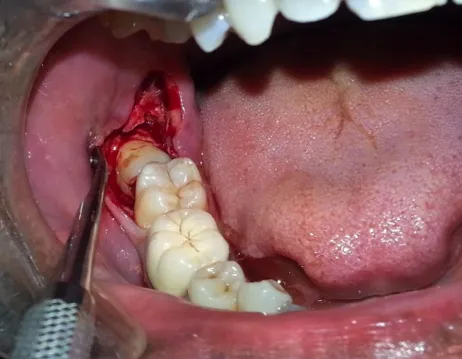
Dental impaction occurs when a tooth fails to erupt properly into the mouth due to lack of space, obstruction, or improper positioning. The most commonly impacted teeth are wisdom teeth and sometimes canines.
Signs & Symptoms:
- Pain or swelling in the back of the mouth
- Difficulty opening the mouth
- Infection or bad breath
- Pressure on adjacent teeth
Treatment:
Management depends on the position of the tooth and symptoms. It may involve monitoring or minor surgical removal to prevent complications.
DENTAL CYSTS AND TUMORS
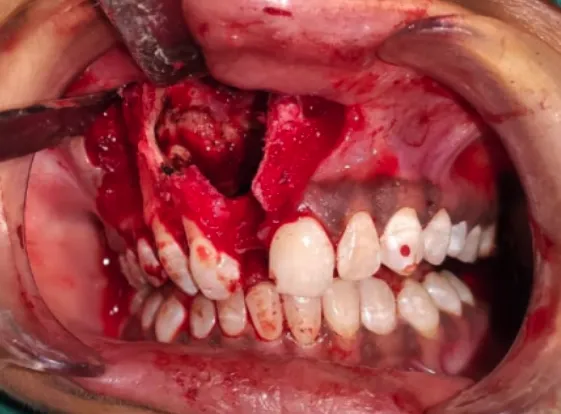
Dental cysts and tumors are abnormal growths that develop in the jawbone or surrounding oral tissues. They may arise from tooth-forming tissues (odontogenic origin) or other oral structures.
Dental Cysts: Cysts are fluid-filled sacs that often develop due to infection or impacted teeth. They may remain painless initially but can cause swelling and bone destruction if untreated.
Dental Tumors: Tumors can be benign (non-cancerous) or, rarely, malignant. Most odontogenic tumors grow slowly but require timely diagnosis and management to prevent complications.
Common Signs:
- Swelling in the jaw
- Pain or pressure sensation
- Delayed tooth eruption
- Changes seen on routine X-rays
Treatment:
Management depends on the size and type of lesion and may involve surgical removal with careful follow-up.
we ensure early diagnosis using advanced imaging and precise surgical care to protect jaw health and function.
ORTHOGNATHIC SURGERY
Orthognathic surgery is a corrective jaw surgery performed to treat severe skeletal deformity that cannot be corrected with braces alone. It improves both function and facial aesthetics.
Indications:
- Severe overbite or underbite
- Facial asymmetry
- Difficulty in chewing or speaking
- Jaw pain or TMJ issues
- Sleep-related breathing problems
Benefits:
- Corrects bite alignment
- Enhances facial balance and profile
- Improves chewing and speech
- Boosts confidence
The procedure is usually planned in coordination with orthodontic treatment for precise and predictable results.
ALL ON 4 DENTAL IMPLANTS
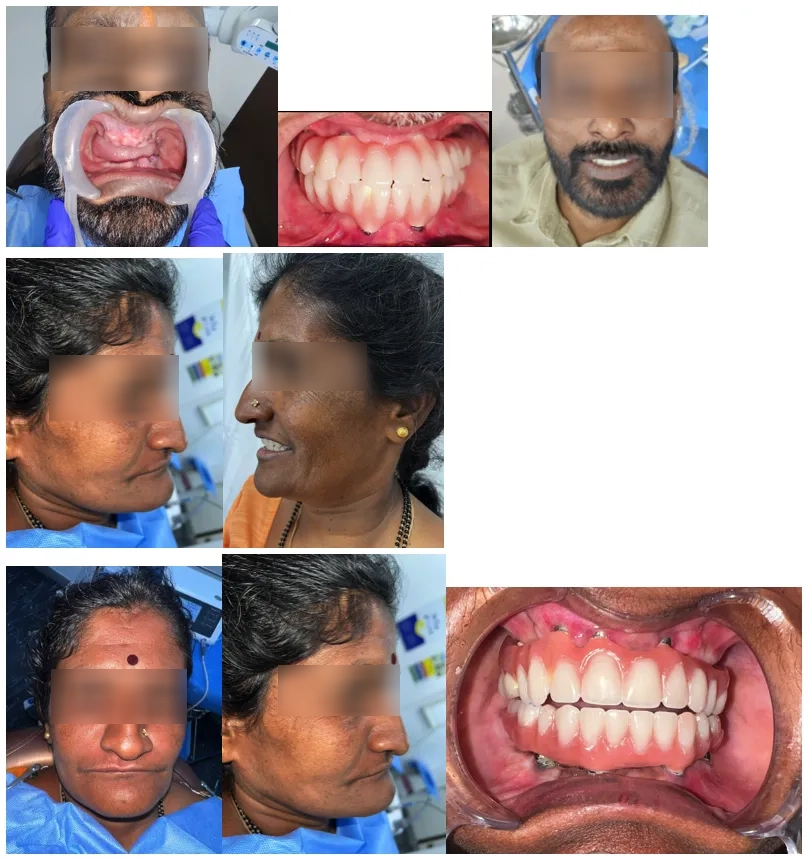
All-on-4 dental implants are an advanced solution for patients who have lost all or most of their teeth. This technique uses four strategically placed implants to support a full arch of fixed teeth.
It provides:
- Immediate function and improved chewing ability
- Natural-looking aesthetics
- Strong, stable, and long-lasting results
- Reduced need for bone grafting in many cases
At SPARSH, we use precise digital planning and advanced implant systems to ensure predictable, comfortable, and highly successful outcomes.