Published in : Nephrology | December 5, 2025 |
 Medically Reviewed
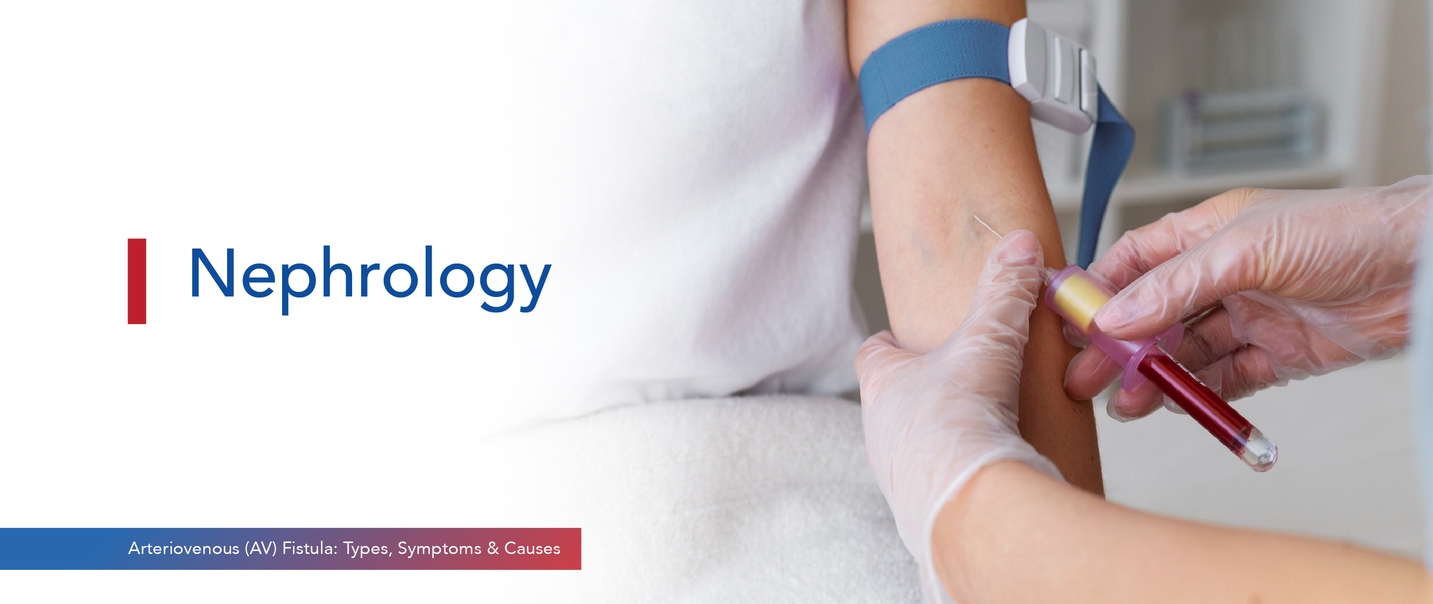
An arteriovenous fistula occurs when an artery and a vein are directly connected without the usual network of capillaries. This connection alters normal blood flow, causing blood to flow rapidly from the artery to the vein. The pressure in the vein increases, which can lead to various complications if left untreated.
While some AV fistulas are surgically created to aid patients undergoing dialysis for kidney failure, others can develop spontaneously or due to trauma, congenital defects, or medical conditions.
A surgically created AV fistula provides reliable access for dialysis, making it the preferred choice for long-term treatment of chronic kidney disease. However, a pathological AV fistula can strain the heart, cause tissue damage, and lead to other serious issues.
There are several types of AV fistulas, each with distinct characteristics and causes.
A congenital arteriovenous fistula is present at birth. It occurs when blood vessels form abnormally during fetal development. Although rare, these fistulas can occur in various parts of the body and may lead to complications such as heart failure or tissue damage.
An acquired AV fistula develops later in life due to:
This type results from medical procedures, particularly during catheter placement or arterial puncture. It is often seen near the groin or wrist, where medical instruments are commonly inserted.
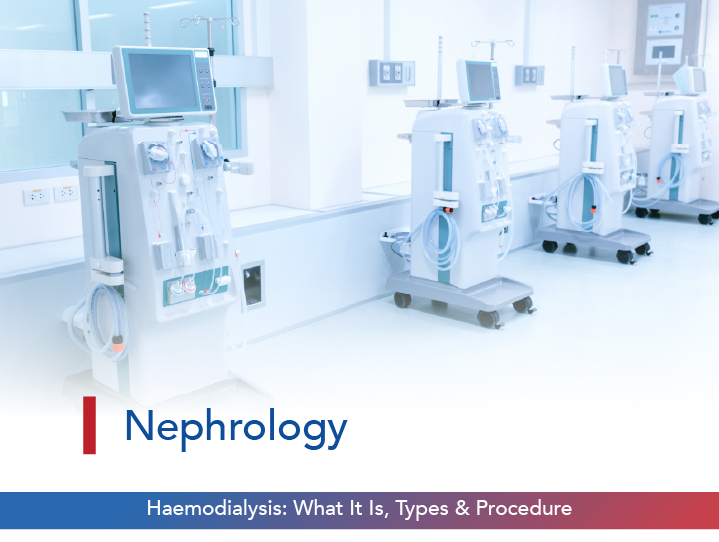
A surgical AV fistula is intentionally created by vascular surgeons, mainly for patients requiring hemodialysis. This connection allows repeated access to the bloodstream for filtering waste without damaging veins.
A spinal dural arteriovenous fistula forms between arteries and veins in the spinal cord covering. It is the most common type of spinal vascular malformation and can cause progressive nerve damage, weakness, or paralysis if untreated.
The causes of AV fistula vary depending on whether it’s natural or medically induced. Common causes include:
In rare cases, AV fistulas may also result from genetic disorders that affect blood vessel integrity.
The arteriovenous fistula symptoms depend on the size, location, and severity of the connection. Small fistulas may not cause noticeable symptoms, while larger ones can lead to significant complications.
Common Symptoms Include:
Pain may develop at the site of the fistula, particularly in the arms or legs.
In severe cases, large AV fistulas can increase cardiac workload, leading to shortness of breath, palpitations, or even heart failure.
For spinal dural arteriovenous fistulas, symptoms may include leg weakness, numbness, and difficulty walking due to spinal cord compression.
If not properly treated, an AV fistula can lead to severe arteriovenous fistula complications, including:
Early diagnosis is vital to prevent long-term complications. Physicians at SPARSH Hospitals use advanced imaging techniques such as:
For spinal cases, an MRI of the spine helps pinpoint the presence of a spinal dural arteriovenous fistula.
Treatment depends on the type and severity of the fistula. Small fistulas may close on their own, while larger or symptomatic ones require medical or surgical intervention.
Drugs may help control symptoms such as high blood pressure or heart strain.
Small, surface-level AV fistulas may close with manual compression under ultrasound guidance.
A minimally invasive arteriovenous fistula procedure involves inserting a catheter to block or seal the abnormal connection using coils or plugs.
In more severe cases, an arteriovenous fistula surgery is performed to remove or close the fistula and restore normal blood flow.
For dialysis patients, regular monitoring and timely correction of arteriovenous fistula stenosis are essential to maintain effective dialysis access.
At SPARSH Hospitals, our vascular and nephrology specialists work together to offer safe and effective arteriovenous fistula treatments tailored to each patient’s needs.
While not all AV fistulas can be prevented, certain steps can reduce the risk:
If you notice symptoms such as persistent swelling, visible bulging veins, fatigue, or unexplained heart strain, seek medical attention. Early diagnosis prevents complications.
Residents of Bangalore can consult the best nephrologist in Bangalore at SPARSH Hospitals, known for expertise in diagnosing and managing arteriovenous fistulas and other vascular conditions.
An arteriovenous (AV) fistula is a serious vascular condition that can impact blood circulation and organ health. While surgically created fistulas are vital for dialysis patients, abnormal ones can lead to complications if left untreated. Early detection, expert care, and regular monitoring are crucial for managing this condition effectively.
At SPARSH Hospitals, we combine advanced diagnostic technology with expert nephrology and vascular care to provide comprehensive treatment for AV fistulas. Whether you need surgery, maintenance, or evaluation, our specialists ensure you receive the best possible care.
An arteriovenous fistula is an abnormal connection between an artery and a vein, causing blood to flow directly between them instead of through capillaries.
Common symptoms include swelling, visible veins, pain, fatigue, and, in some cases, heart strain or neurological symptoms (for spinal dural AV fistulas).
Treatment options include compression, endovascular procedures, or surgical repair, depending on the size and location of the fistula.
Yes. Complications include blood clots, bleeding, heart failure, and stenosis. Regular check-ups are essential for early detection.
SPARSH Hospitals is recognized among the best nephrology hospitals in Bangalore, offering advanced care and consultation with the best nephrologists in Bangalore for vascular and renal health issues.
3 Mins Read
Categories: Nephrology






Understanding Arteriovenous (AV) Fistula is available for appointments. Please fill the below form to book an appointment.
Unlock the door to exceptional healthcare, book an appointment with SPARSH Hospital and let your journey to wellness begin.
Copyright © 2026 SPARSH Hospital, A Unit of Shiva & Shiva Orthopaedic Hospital Pvt Ltd.