Published in : Pulmonology | February 12, 2026 |
 Medically Reviewed
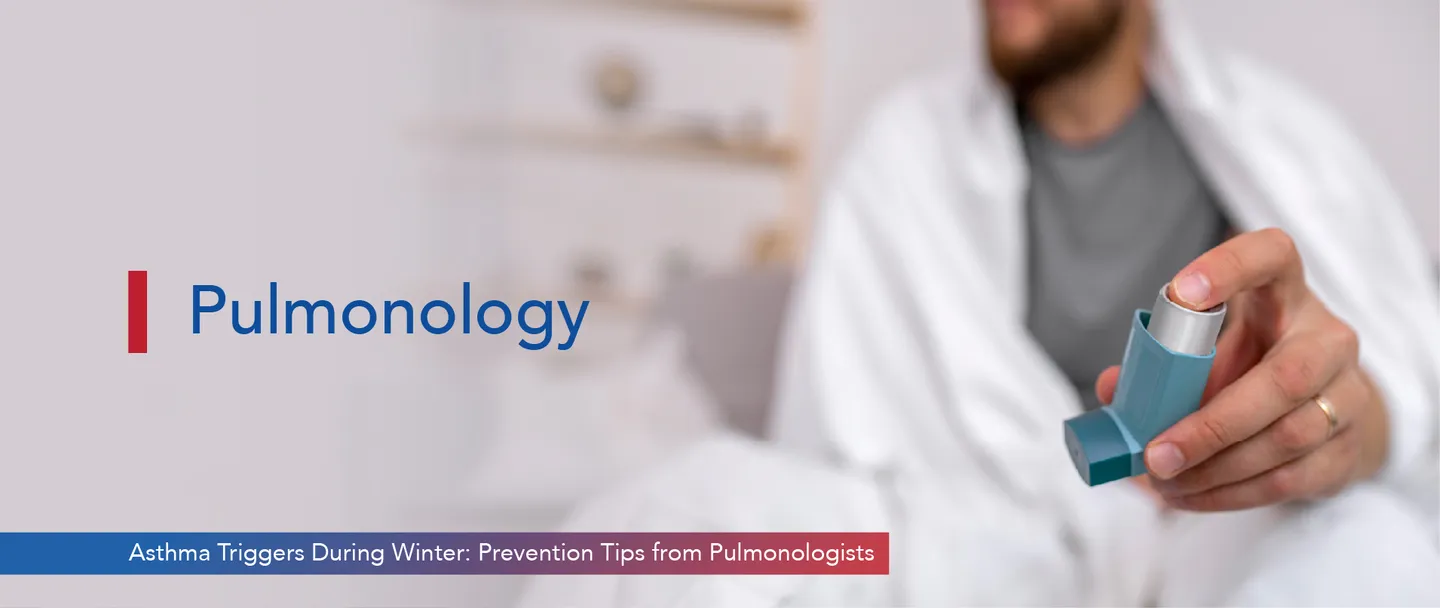
When winter sets in, the drop in temperature often brings relief to many. But for those with asthma, the cold season brings something else. It brings discomfort while breathing, tightness in the chest, and an increased dependence on inhalers.
Asthma and winter are rarely a comfortable pair. Many individuals experience sudden flare-ups during cold months even if their symptoms were under control during the rest of the year. This raises a common question for many people across the world – Does asthma worsen in winter?
The reality is that winter weather creates an environment where asthma triggers become harder to avoid. From dry air to indoor allergens, every element of the season has the potential to irritate the lungs.
That is why understanding asthma symptoms in winter and learning how to reduce the chances of flare-ups can make daily life more manageable. If you or someone in your family is seeking simple and effective asthma tips for winter, then this blog can offer useful direction.
Winter has a unique effect on respiratory health. The air becomes colder and drier, which directly impacts the sensitive lining inside the lungs. Breathing in cold air may cause the airways to tighten. This leads to irritation and inflammation. It becomes harder for air to flow in and out smoothly, and the individual starts to feel breathless. This is why asthma symptoms in winter are usually more difficult to manage compared to other seasons.
But cold air is not the only factor. Winter also increases pollution levels. Smoke from firewood, vehicle exhaust, and indoor heating solutions all add to the airborne irritants. When these pollutants enter the lungs, they trigger the same response as dust or pollen. That is why asthma and winter tend to clash more often than not.
Another common reason why winter asthma treatment becomes necessary is the rise in seasonal infections. Viral illnesses such as the flu or the common cold become more active during this time. These infections often affect the upper respiratory tract and may lead to further inflammation. For those with asthma, this creates a greater risk of flare-ups that do not settle quickly.
Winter also means more time spent indoors. While this helps protect against the cold, it increases exposure to dust mites, pet hair, and mould. Closed windows reduce air circulation. If the air indoors becomes stale and filled with irritants, breathing issues become more common. All these factors are connected. Together, they create a situation where asthma triggers in winter become more difficult to avoid.
People with asthma may sometimes treat their symptoms as seasonal or mild. But in winter, even a small sign of breathing difficulty must be watched closely. Understanding when to seek help is an important part of protecting your lungs.
If your chest feels heavy as soon as you wake up, it means your lungs are under stress. The airways may have reacted to dry indoor air or poor ventilation during the night.
You may find it harder to climb stairs or walk short distances indoors. If such simple tasks cause discomfort, your body may be showing early signs of a winter asthma episode.
This sound usually comes from narrowed airways. If you hear it while breathing, it is best to pay close attention and speak to a doctor.
When the indoor temperature drops and allergens settle in closed spaces, the lungs may become irritated. Waking up due to a dry cough more than once in a night suggests a need to change your environment.
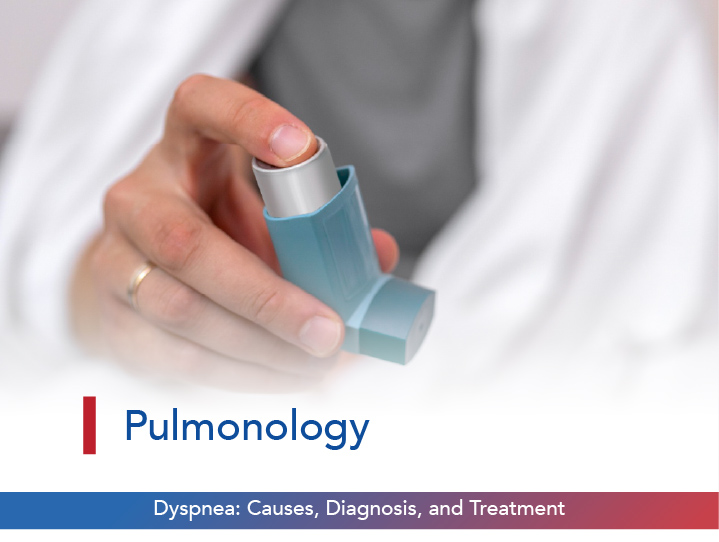
If you notice increased dependence on inhalers, this is not something to ignore. Needing quick relief more often may mean that your current asthma control methods are not suitable for the winter months. Speaking to a doctor about winter asthma treatment at this stage is a wise decision.
Once the causes and symptoms are recognised, the next step is to learn how to prevent asthma in winter. The idea is not to change the weather but to prepare your body and surroundings to handle it better.
Every season affects health in a different way. When it comes to asthma and winter, the risk of flare-ups increases because of how the air changes. The cold, the dryness, the pollution, and the time spent indoors all add up. But none of these risks are impossible to manage. With small changes to your lifestyle and greater awareness of your surroundings, you can take better control of your breathing.
You can reduce asthma triggers by wearing warm coverings outdoors, cleaning indoor spaces often, using clean humidifiers, drinking warm water, and staying away from chemical-based sprays or scents.
Most people experience more asthma attacks during winter months such as December and January. This is because of the colder air, increased indoor time, and rise in respiratory infections.
Mild climates with balanced humidity levels are usually more comfortable for people with asthma. Places with extremely dry or cold air may make asthma harder to manage.
To support your immune system, eat healthy warm meals, avoid exposure to infections, follow your asthma routine, rest well, and include breathing exercises in your daily habits.
3 Mins Read
Categories: Pulmonology









Asthma Triggers During Winter: Prevention Tips from Pulmonologists is available for appointments. Please fill the below form to book an appointment.
Unlock the door to exceptional healthcare, book an appointment with SPARSH Hospital and let your journey to wellness begin.
Copyright © 2026 SPARSH Hospital, A Unit of Shiva & Shiva Orthopaedic Hospital Pvt Ltd.