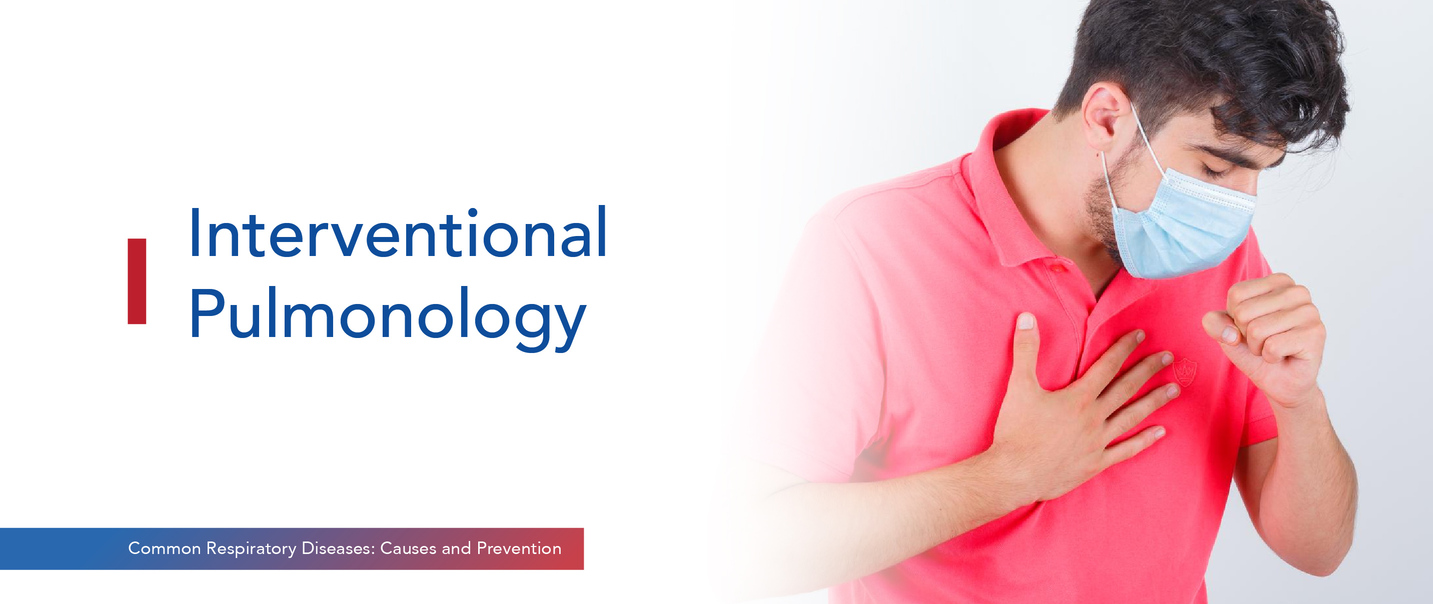
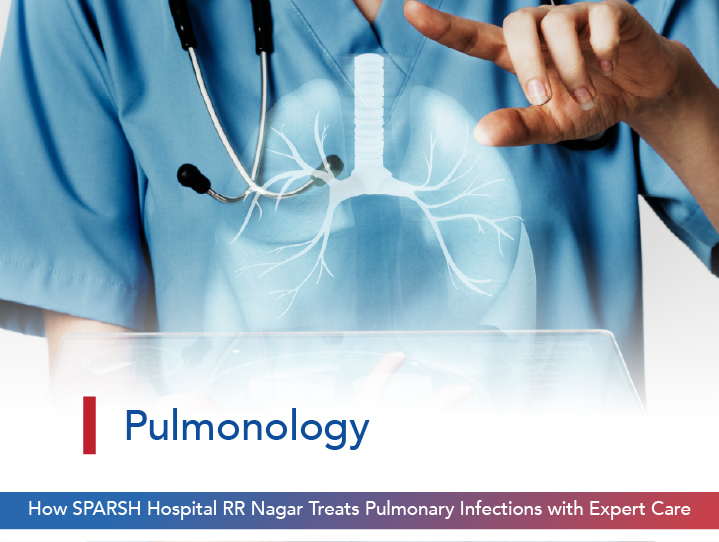
Respiratory diseases affect millions worldwide, leading to breathing difficulties and decreased quality of life. These conditions range from mild infections like the common cold to serious chronic respiratory diseases such as asthma, COPD, and pneumonia. Understanding the causes, symptoms, and prevention of respiratory diseases is vital for maintaining healthy lungs and preventing long-term complications.
The respiratory system includes the lungs, airways, and other organs that help us breathe. Respiratory system diseases occur when any part of this system becomes inflamed, infected, or damaged. These diseases can be acute (short-term) or chronic (long-term) depending on their duration and cause.
Acute respiratory diseases often develop suddenly due to infections such as viruses or bacteria. Common examples include pneumonia, bronchitis, and Respiratory Syncytial Virus (RSV) infections. On the other hand, chronic respiratory diseases such as asthma and Chronic Obstructive Pulmonary Disease (COPD) develop over time due to environmental exposure or genetic predisposition.
Both types can significantly impact breathing efficiency, oxygen exchange, and overall health. Early diagnosis and treatment play a key role in reducing the severity and preventing complications.
Respiratory diseases are categorised into acute, chronic, and congenital respiratory diseases. Each type has distinct causes and implications:
These are short-term infections that affect the upper or lower respiratory tract. They often resolve with timely treatment, but can become severe if neglected.
Examples include:
These long-term conditions progress slowly and can lead to respiratory failure if untreated.
Examples include:
These are present at birth and may include structural abnormalities or genetic disorders that impair lung function.
Examples include cystic fibrosis and congenital diaphragmatic hernia.
Understanding the causes of respiratory diseases helps in both prevention and effective management. The primary causes include:
The symptoms of respiratory diseases vary depending on the type and severity of the illness but often include:
If these symptoms persist or worsen, it’s important to consult a specialist. SPARSH Hospitals offers access to the best pulmonology hospital in Bangalore, equipped with advanced diagnostic and treatment facilities.
The treatment of respiratory diseases depends on the underlying cause and severity. Medical care at an advanced centre like SPARSH Hospitals ensures accurate diagnosis and effective treatment. Common treatments include:
Used in severe cases or chronic conditions where oxygen levels are low.
A structured program involving breathing exercises, physical therapy, and lifestyle guidance to improve lung capacity and quality of life.
Quitting smoking, maintaining a healthy diet, and avoiding air pollutants help prevent disease progression.
Vaccines for influenza and pneumonia can reduce the risk of infections that trigger respiratory complications.
Preventing respiratory diseases is as important as treating them. The prevention of respiratory diseases involves lifestyle modifications, vaccination, and early medical attention.
Key preventive measures include:
Consult a pulmonologist if you experience:
Early consultation at the Best Pulmonology Hospital in Bangalore, such as SPARSH, ensures comprehensive care through advanced lung function testing, imaging, and personalised treatment plans.
At SPARSH Hospitals, the Department of Pulmonology provides state-of-the-art care for all types of respiratory tract diseases. The hospital is equipped with modern diagnostic tools, including bronchoscopy, lung function tests, and high-resolution imaging. The team of expert pulmonologists specialises in managing acute respiratory disease, chronic respiratory disease, and respiratory failure cases with compassion and precision.
SPARSH ensures a holistic approach combining preventive care, accurate diagnosis, and evidence-based treatment to help patients breathe easier and live healthier lives.
Respiratory diseases, whether acute or chronic, can significantly impact health and daily life. Understanding the types, causes, and prevention of respiratory diseases is essential to reduce risks and maintain lung health. From infections like pneumonia and RSV to long-term conditions such as asthma and COPD, timely intervention can prevent complications and promote recovery.
For expert guidance, diagnosis, and personalised care, consult the best pulmonologist in Bangalore at SPARSH Hospitals, the best pulmonology hospital in Bangalore, where advanced technology meets compassionate healthcare to keep your lungs healthy.
Respiratory diseases are conditions that affect the lungs, airways, or other parts of the breathing system. They can be short-term (like pneumonia) or long-term (like asthma or COPD).
Common types include:
They can be caused by infections, smoking, air pollution, allergens, occupational hazards, weak immunity, or genetic factors.
Typical symptoms include cough, shortness of breath, wheezing, chest pain, fever, fatigue, or bluish lips and fingers in severe cases.
Treatment depends on the cause and may include medications, inhalers, oxygen therapy, pulmonary rehabilitation, and lifestyle changes. Vaccines and quitting smoking also play key roles in management.
Yes. Avoid smoking, maintain good hygiene, get vaccinated, eat a healthy diet, exercise regularly, and minimize exposure to air pollution.
See a pulmonologist if you have a cough lasting over three weeks, frequent chest infections, wheezing, or unexplained shortness of breath.
Many acute respiratory diseases are curable with prompt treatment. Chronic conditions like asthma and COPD can’t be cured but can be effectively managed to improve quality of life.
Long-term exposure to polluted air can irritate the lungs, cause inflammation, worsen asthma, and increase the risk of chronic respiratory diseases like COPD.
SPARSH Hospitals offers expert pulmonologists, advanced diagnostic tools, and comprehensive care for all respiratory conditions — from acute infections to chronic lung diseases — ensuring better breathing and long-term wellness.
3 Mins Read
Categories: Pulmonology








Common Respiratory Diseases is available for appointments. Please fill the below form to book an appointment.
Unlock the door to exceptional healthcare, book an appointment with SPARSH Hospital and let your journey to wellness begin.
Copyright © 2026 SPARSH Hospital, A Unit of Shiva & Shiva Orthopaedic Hospital Pvt Ltd.









 Medically Reviewed