Published in : Oncology | January 7, 2026 |
 Medically Reviewed
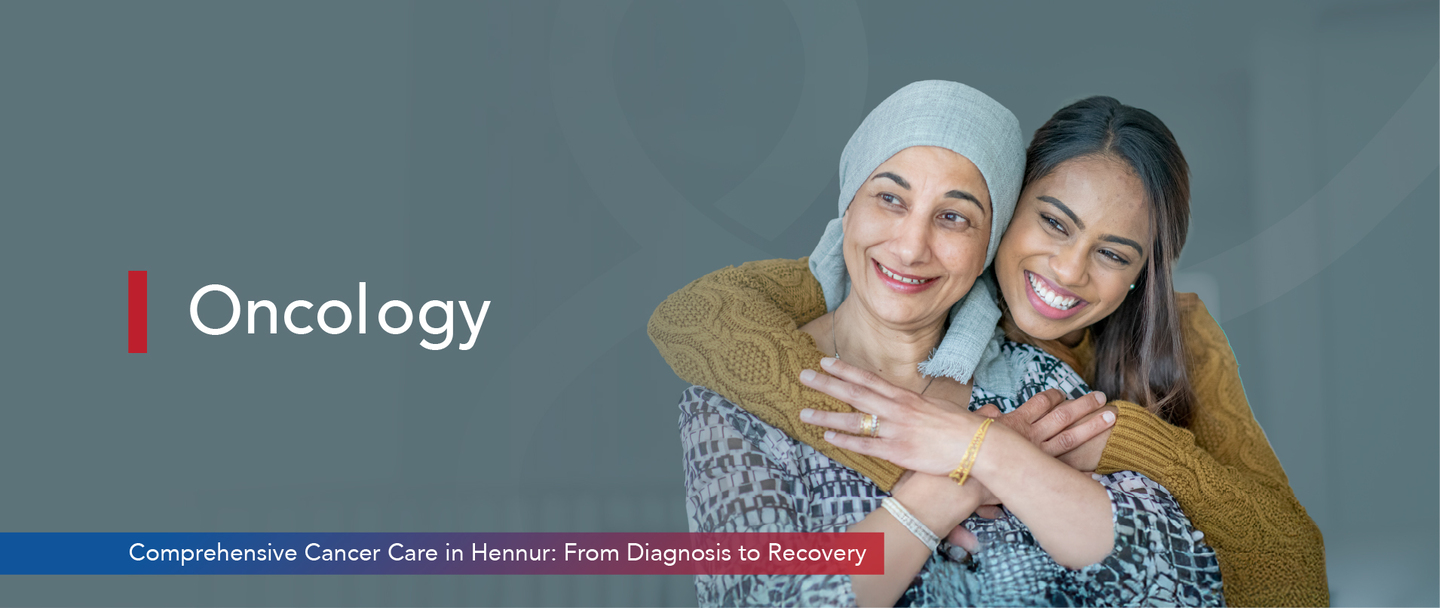
Cancer is a complex medical condition, demanding long‑term care [supported by accurate diagnosis, timely treatment and integrated recovery plans]. Cancer care involves more than just eliminating tumours. It requires an entire support system built around early detection, specialised medical attention and post‑treatment rehabilitation. Many people often ask, “What is cancer care?”
The answer lies in an approach that blends clinical treatment with holistic recovery. From first consultations to multi‑disciplinary interventions, cancer care services must adapt to every patient’s individual medical needs. In rapidly developing healthcare locations such as Hennur, there is a growing demand for structured cancer management services backed by experienced medical teams and diagnostic infrastructure.
Oncology hospitals in Hennur that offer comprehensive cancer management are now expected to deliver a full range of diagnostics, surgical and non‑surgical treatments, and supportive therapies under one coordinated system. This model of care not only improves treatment outcomes but also reduces the physical and emotional strain associated with long hospital journeys and fragmented care.
Understanding the different types of cancer is essential for identifying symptoms, assessing risk and planning individualised treatment strategies. While cancer may occur in various organs, some types are more frequently diagnosed than others.
The condition normally starts in the ducts or lobules of the breast and can spread in case it is not detected at an early stage. The risk factors are genetic history, hormonal imbalances and long-term exposure to some lifestyle habits. Early diagnosis enhances treatment and recovery prospects.
Lung cancer is often associated with smoking or contact with environmental pollutants; it can start in the airways and extend to the surrounding tissue. The onset of persistent cough, chest pain and difficulty in breathing are the initial symptoms. Unchecked, lung cancer can have an impact on respiratory stability and the functioning of the lungs.
This type has its origin in the rectum or colon. The usual causes are dietary, genetic predisposition and chronic inflammation. The symptoms can be bowel changes, fatigue or weight loss. Regular screening is important in early diagnosis and proper intervention.
It mostly attacks the ovaries and is usually undetected until it progresses to the advanced stages. The disorder can be linked to hormonal aspects, genetic indicators or reproductive past. Symptoms like bloating, pelvic pain or loss of appetite are usually vague.
This cancer is mostly found in older men, and it normally begins in the prostate gland. The causes can be age, genetic factors and hormonal changes. It can develop gradually, yet it needs close observation and clinical direction to develop a treatment plan.
The contemporary cancer care services are based on diversified treatment methods depending on the type, stage and progression of the disease. A comprehensive strategy includes surgical, medicinal and radiation-based treatment and more recent treatments which are immune or molecular-based.
Many cancers are treated by surgical resection of tumours. The procedure is intended to remove localised malignancy without damaging surrounding healthy tissue, whether partially or completely. It can be used along with other therapies to achieve better outcomes.
This treatment involves the administration of specific drug dosages to destroy cancer cells that multiply at a very fast rate. It can be administered either orally or intravenously, and it is frequently cyclic. The side effects depend on the dosage and the state of the patient, and the treatment is closely followed.
The DNA of cancer cells is damaged by high-energy radiation. Targeted radiation enables physicians to reduce tumours and minimise pain or other symptoms. High-tech machines guarantee accuracy and reduce damage to the surrounding organs.
The mode of action of this treatment is to boost the immune system of the body to identify and attack cancer cells. Although not applicable in all types, it demonstrates potential in particular situations where conventional approaches are less efficient.
Targeted therapy is based on the presence of certain molecular characteristics of cancer cells, unlike generalised treatment. This will permit closer accuracy and possibly reduced side effects. It can be combined with chemotherapy, or it can be used alone.
Every stage in cancer treatment carries significant medical and emotional implications. A well‑structured treatment plan helps reduce complications, monitor progress and improve patient safety during and after procedures.
The success rate in cancer care improves when the condition is diagnosed early. Screening and imaging help identify tumours before they progress to advanced stages, allowing for prompt action and reduced treatment burden.
A multidisciplinary team ensures that radiologists, oncologists, surgeons and nursing staff work in alignment. This coordination helps avoid delays, reduces diagnostic errors and supports informed medical decision‑making.
Each cancer care plan must consider the patient’s age, physical condition, comorbidities and cancer type. Personalised treatments help manage side effects more effectively and support better compliance throughout the care cycle.
Monitoring during and after treatment helps evaluate response and detect recurrence. Blood tests, imaging scans and consultations ensure the care team can intervene if necessary. This stage plays a major role in long‑term cancer management.
Cancer recovery continues even after active treatment ends. Many patients require physical, emotional and nutritional support to regain balance and prevent relapse.
Post‑treatment nutrition supports healing and energy restoration. Specialists recommend diets that maintain strength, boost immunity and counter treatment‑related fatigue. Diet plans are adjusted based on patient response and tolerance.
Mental health concerns such as anxiety or depression are common during recovery. Counselling and support groups provide emotional reassurance and help patients adjust to life after treatment.
Some patients may experience persistent discomfort or nerve‑related issues after treatment. Medical teams provide therapies that reduce pain without compromising overall health.
Physical rehabilitation helps rebuild muscle strength and improve movement. It is especially helpful for patients recovering from surgery, radiation or extended hospital stays.
Patients often need guidance on returning to daily routines safely. Medical professionals assist in defining suitable activity levels, setting recovery milestones and identifying early warning signs for future monitoring.
Unusual symptoms should be addressed immediately, and oncology specialists should be consulted in case they continue to affect normal functioning. These can also be unaccounted fatigue, persistent pain, abnormal lumps, chronic cough, abnormal bleeding or abrupt weight gain.
The best oncology hospitals in Hennur that have specialised cancer care facilities are well placed to respond to such presentations urgently. Recurring or delayed side effects also require patients to visit again. The earliest possible care from the best oncologists in Hennur will help to decrease medical complications and aid in continuous recovery.
Comprehensive cancer care demands an integrated approach that addresses the medical, emotional and functional needs of every patient. From accurate diagnosis to individualised treatment and recovery planning, the goal is to provide structured care at every stage. Oncology hospitals in Hennur must now offer such continuity supported by a skilled workforce and modern diagnostic tools.
For anyone seeking answers to what is cancer care or how to begin their treatment journey, understanding the role of coordinated cancer management is the first step. Investing in early intervention and recovery support leads to better outcomes, higher quality of life and improved long‑term stability.
Patients must consult a certified oncologist immediately. The next steps include staging, imaging, blood work and treatment planning based on the type and spread of the cancer.
Comprehensive cancer care refers to diagnosis, treatment and recovery support offered through a coordinated medical team. It includes surgery, chemotherapy, radiation and counselling under one system.
Patients must avoid self‑medication, delay in treatment, exposure to infections and extreme stress. Lifestyle habits such as smoking or alcohol intake may also interfere with recovery.
A complete medical evaluation is conducted. This includes scans, biopsies and laboratory tests. Based on the results, a personalised treatment plan is discussed with the patient and caregivers.
Foods that may increase infection risk or cause inflammation are often restricted. These include raw seafood, processed meat, high‑sugar items and unpasteurised dairy products. Diet plans vary based on treatment type.
3 Mins Read
Categories: Oncology





Comprehensive Cancer Care in Hennur: From Diagnosis to Recovery is available for appointments. Please fill the below form to book an appointment.
Unlock the door to exceptional healthcare, book an appointment with SPARSH Hospital and let your journey to wellness begin.
Copyright © 2026 SPARSH Hospital, A Unit of Shiva & Shiva Orthopaedic Hospital Pvt Ltd.