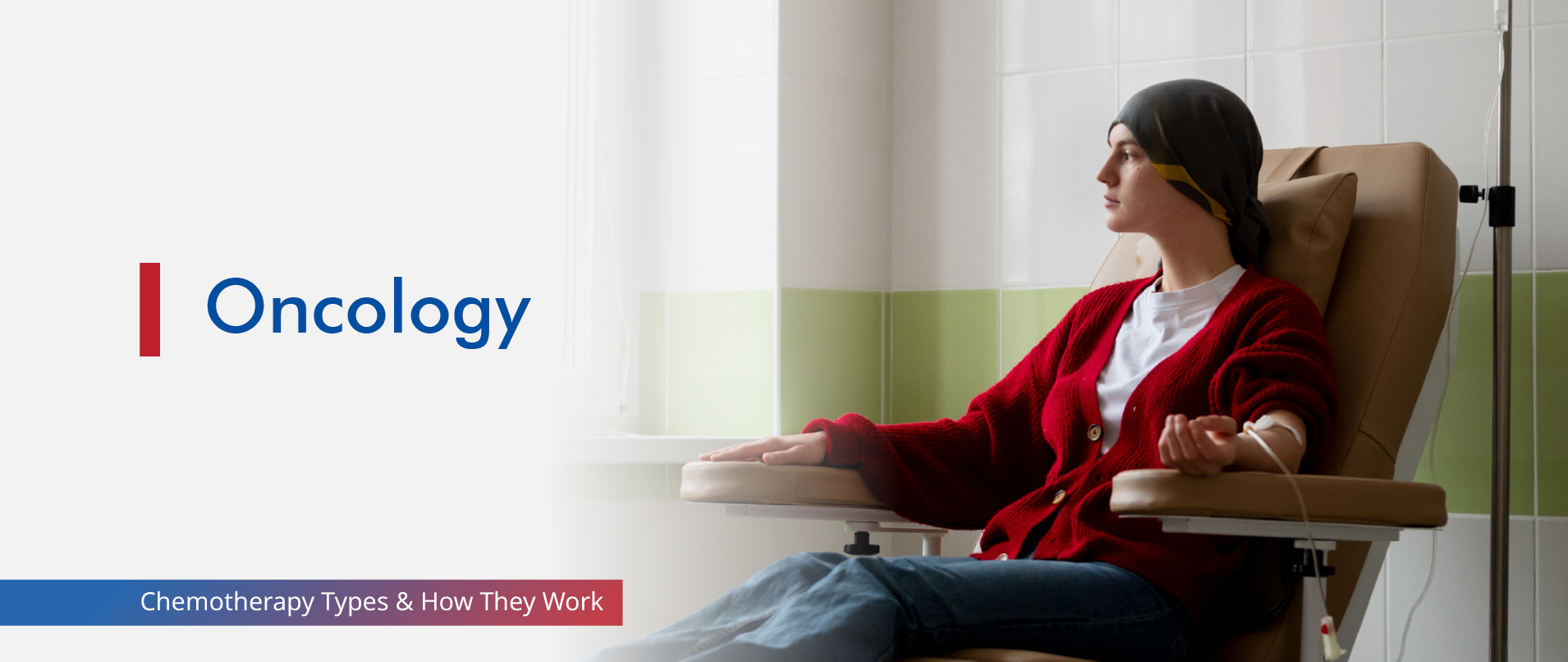
Chemotherapy is a cancer treatment using drugs to kill or slow the growth of cancer cells. It includes several types, such as curative, palliative, and adjuvant chemotherapy. Doctors administer the treatment in stages, targeting rapidly dividing cells.
Consultation with an oncologist at Sparsh Hospital is essential for personalised care and guidance. Choosing the right chemotherapy hospital in Bangalore ensures an experienced team can plan and monitor your treatment.
Chemotherapy is a cornerstone treatment in cancer care, designed to destroy cancer cells and prevent their growth. With advances in medical science, various types and approaches to chemotherapy now suit different cancer types, stages, and individual patient needs.
It refers to the use of drugs to kill cancer cells by interfering with their growth and division. Unlike surgery or radiation therapy, which target specific areas, chemotherapy works systemically and reaches cancer cells throughout the body. Patients looking for chemotherapy treatment in Bangalore can now access modern, evidence-based care under one roof.
Neoadjuvant chemotherapy is administered before surgery or radiation to reduce the size of large tumours. By shrinking the tumour, this approach makes surgical removal easier, less invasive, and more effective. It can also help preserve surrounding healthy tissue and organs, improving overall outcomes.
Even after successful surgery or radiation, microscopic cancer cells can remain undetected in the body. Adjuvant chemotherapy targets these residual cells to prevent recurrence and minimise the risk of metastasis. This approach is often used for aggressive cancers with a higher likelihood of spreading.
For advanced-stage cancers that are not curable, palliative chemotherapy focuses on symptom relief. It can reduce pain, control tumour growth, and manage complications caused by cancer. This type of chemotherapy prioritises comfort and helps patients maintain a better quality of life during treatment.
Designed to eradicate cancer, curative chemotherapy is often used for cancers detected in early stages. This type of treatment may be combined with surgery or radiation to ensure all cancer cells are destroyed.
When a complete cure isn’t possible, palliative chemotherapy focuses on relieving symptoms and enhancing the patient’s quality of life. It can shrink tumours and ease discomfort caused by advanced cancer.
Targeted chemotherapy drugs specifically attack cancer cells based on unique molecular markers, leaving healthy cells largely unaffected. This minimises side effects and improves outcomes.
Immunotherapy boosts the patient’s immune system to recognise and destroy cancer cells. It’s particularly effective for cancers linked to specific genetic mutations.
Often combined with stem cell transplants, high-dose chemotherapy is reserved for aggressive cancers that don’t respond to standard treatments.
Chemotherapy is typically delivered in cycles to maximise its effectiveness while allowing the body time to recover.
Doctors carefully monitor each stage and adjust treatment based on patient response and side effects.
Chemotherapy duration varies depending on the type and stage of cancer and the patient’s overall health. Chemotherapy is usually given in cycles, allowing the body time to recover between treatments.
A cycle may last a few days of treatment followed by a rest period of one to three weeks. For example, 4 cycles of chemotherapy may span several months, depending on the treatment plan.
Oncologists carefully plan the number of cycles and total duration to maximise effectiveness while minimising side effects. Personalised treatment at Sparsh Hospital supports better outcomes and tolerance. Chemotherapy treatment cost also depends on the drugs used, the number of cycles, and the hospital stay required, so a transparent estimate from your care team helps you plan.
Chemotherapy is used to treat various cancers, with treatment plans tailored based on cancer type, stage, and patient condition.
Chemotherapy for blood cancer is commonly used to treat conditions like leukaemia, lymphoma, and myeloma. It targets rapidly dividing cancer cells in the bloodstream and bone marrow. Treatment is often given in multiple cycles and may be combined with targeted therapy or a stem cell transplant.
Chemotherapy for oral cancer is often used alongside surgery or radiation therapy to shrink tumours and prevent cancer spread. It helps destroy cancer cells in the mouth and surrounding tissues. Treatment plans are personalised to improve outcomes, especially in advanced stages of oral cancer.
Chemotherapy drugs target rapidly dividing cells, a characteristic feature of cancer. They interfere with cell division by damaging DNA or disrupting vital cellular processes.
Level 1: Mild Treatments for Slow-Growing Cancers
This level uses low-dose chemotherapy to manage cancers that progress slowly. It minimises side effects, making it ideal for early-stage or less aggressive cases.
Level 2: Moderate-Intensity Therapy
Involving higher doses than Level 1, this therapy is often paired with surgery or radiation. It is effective for cancers that require a more targeted approach and has manageable side effects.
Level 3: High-Dose Treatments for Aggressive Cancers
Designed for fast-growing cancers, this level employs intensive regimens to destroy cancer cells. While effective, it requires close monitoring due to increased side effects.
Level 4: Experimental or Last-Resort Treatments
Used for advanced or resistant cancers, this level includes experimental therapies or clinical trials. It offers innovative options when standard treatments are ineffective.
While chemotherapy can treat cancer, it also affects healthy cells, especially those that divide rapidly, such as hair follicles, bone marrow, and the digestive tract.
Common Side Effects:
Understanding the pros and cons of chemotherapy is crucial for making informed decisions. While it is life-saving, managing side effects and balancing quality of life is equally important.
Chemotherapy can be administered in various forms, depending on the type and stage of cancer:
Hospitals use advanced chemotherapy equipment, such as infusion pumps, ports, and catheters, to ensure precise drug delivery.
Finding a trusted chemotherapy hospital close to home matters when you are searching for “chemotherapy near me” during a stressful time. Sparsh Hospital is a medical oncology hospital in Bangalore that brings together diagnosis, treatment, and follow-up care in one place.
If you are diagnosed with cancer or notice persistent symptoms like unexplained weight loss, fatigue, or lumps, consult an oncologist in Bangalore at Sparsh. Specialised care ensures access to advanced treatments and customised chemotherapy plans for optimal outcomes. Early consultation with a medical oncologist in Bangalore can make treatment simpler and more effective.
Chemotherapy remains one of the most effective cancer treatments available. With various types and levels, it is tailored to the patient’s condition, offering hope and extending life expectancy. Though it may come with side effects, ongoing advancements in medicine ensure better management and improved quality of life for patients undergoing chemotherapy.
If you or a loved one is considering chemotherapy, consult an experienced oncologist at SPARSH, a leading cancer hospital in Bangalore, to explore the best treatment options.
There are multiple types, including curative, palliative, adjuvant, neoadjuvant, targeted therapy, and immunotherapy, each designed for specific treatment goals.
The levels include mild (Level 1), moderate (Level 2), high-dose (Level 3), and experimental or advanced (Level 4) therapies, depending on the cancer’s aggressiveness.
This refers to chemotherapy administered in four distinct cycles, allowing the body to recover between treatments while maximising its effectiveness.
Chemotherapy success rates depend on cancer type, stage, and patient health. Many cancers respond well, especially when detected early and treated with a personalised chemotherapy plan.
During chemotherapy, drugs are administered orally or intravenously to destroy cancer cells. Treatment is given in cycles, and patients may experience temporary side effects like fatigue, nausea, or hair loss.
Chemotherapy itself is usually not painful, but some patients may experience discomfort or side effects. Pain levels vary depending on the drugs used and the individual’s response to treatment.
Categories: Oncology

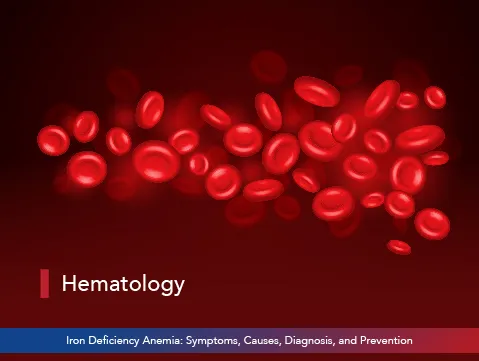

Chemotherapy: Types & How They Work is available for appointments. Please fill the below form to book an appointment.
Unlock the door to exceptional healthcare, book an appointment with SPARSH Hospital and let your journey to wellness begin.
Copyright © 2026 SPARSH Hospital, A Unit of Shiva & Shiva Orthopaedic Hospital Pvt Ltd.






 Live Chat




 Medically Reviewed