Published in : Critical Care And Emergency Medicine | June 14, 2026 |
 Medically Reviewed
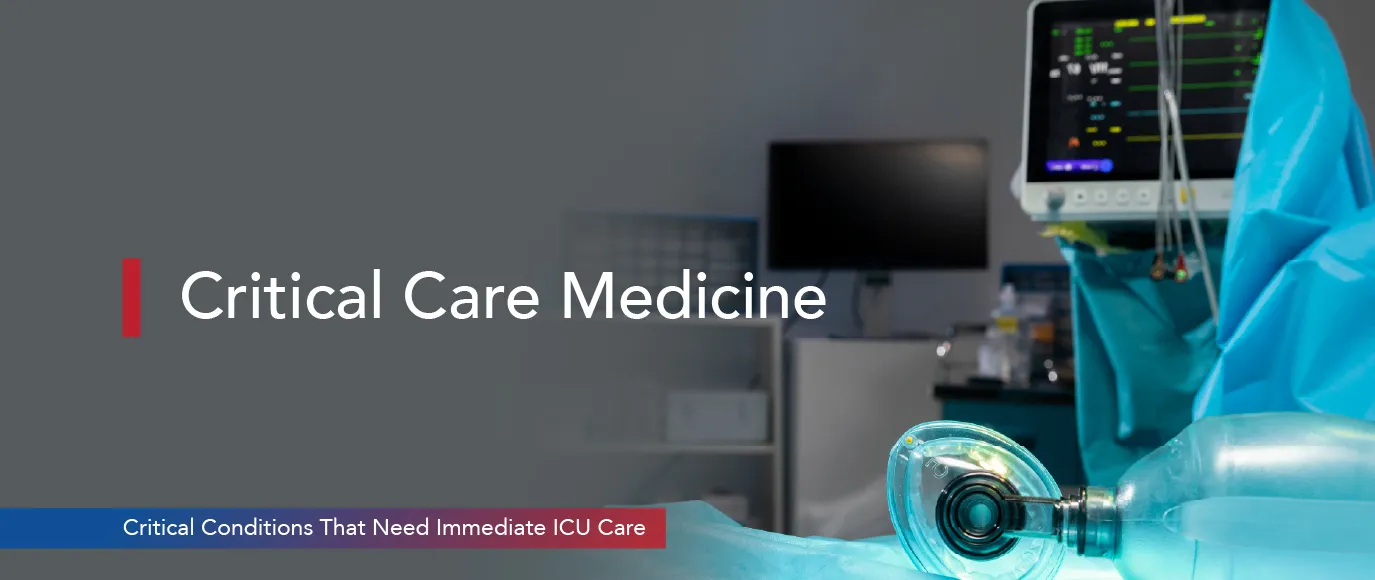
What happens when the body suddenly stops functioning as it should, and every second becomes critical? From severe infections and strokes to heart attacks and traumatic injuries, certain medical emergencies require immediate and highly specialized treatment. According to global health estimates, millions of patients are admitted to Intensive Care Units every year due to life-threatening illnesses and organ failure. In many situations, timely ICU intervention significantly improves survival and recovery outcomes.
This is where critical care becomes essential. Intensive Care Units are designed to manage patients with severe and unstable health conditions that require continuous monitoring, advanced medical equipment, and round-the-clock treatment. Therefore, understanding critical conditions, recognizing warning signs early, and knowing when ICU support is necessary can help families respond quickly during emergencies.
Many people often wonder what is considered a critical condition in a hospital setting. A critical condition is a serious medical state in which one or more vital organs are unable to function properly without immediate medical support.
Patients in a critical or serious condition may experience severe breathing difficulty, unstable blood pressure, loss of consciousness, or organ failure. These situations require advanced monitoring and emergency intervention from intensive care specialists.
A critical care patient is usually treated in an ICU where doctors and nurses continuously monitor heart rate, oxygen levels, blood pressure, and neurological function.
Critical care focuses on stabilizing patients with life-threatening illnesses or injuries. Intensive care specialists use advanced medical equipment and specialized treatment methods to support vital organ function.
Additionally, ICU care allows early detection of complications and rapid response during emergencies. Hence, patients with severe infections, trauma, neurological emergencies, or respiratory failure often require ICU admission for better outcomes.
Hospitals may have specialised ICUs designed to treat different medical emergencies. Understanding the different types of intensive care units helps families understand the type of care provided.
Medical ICUs manage patients with severe infections, respiratory illnesses, kidney complications, or other serious medical disorders.
This ICU provides care for patients recovering from major surgeries or traumatic injuries requiring close observation.
Patients with heart attacks, heart failure, or serious cardiac complications receive treatment in cardiac intensive care units.
Neurological ICUs manage stroke, seizures, brain injuries, and other nervous system emergencies.
NICUs are designed for premature babies and newborns requiring advanced medical support.
Several critical conditions require immediate ICU admission because delays in treatment can increase the risk of complications.
Sepsis occurs when the body’s response to infection damages its own tissues and organs. Severe cases can rapidly progress to organ failure and shock.
Patients with sepsis often require oxygen support, intravenous medications, and continuous ICU monitoring.
A severe heart attack may disrupt blood circulation and reduce oxygen supply to vital organs. Certain cardiac emergencies can also lead to dangerous rhythm disturbances or heart failure.
In such cases, ICU support helps stabilise the patient and prevent further complications.
Stroke is a medical emergency that requires immediate treatment to reduce brain damage. Patients with severe strokes, brain haemorrhage, or traumatic brain injuries often require neurological intensive care.
Continuous monitoring helps doctors manage brain function and prevent complications.
Respiratory failure occurs when the lungs cannot supply enough oxygen to the body. Severe pneumonia, lung infections, or chronic lung disease complications may require ventilator support in the ICU.
Road traffic accidents, falls, burns, or severe injuries can cause internal bleeding and organ damage. ICU care becomes essential after emergency surgery or major trauma.
Advanced kidney or liver disease can affect multiple organs and require close monitoring, dialysis support, and intensive medical management.
Certain emergencies require urgent medical attention and specialised monitoring.
A list of emergency conditions that commonly require ICU admission includes:
These emergencies may progress rapidly; therefore, immediate treatment is critical.
Recognising warning signs early can help families seek urgent medical care.
Symptoms commonly associated with critical cases include:
Patients experiencing these symptoms require immediate medical evaluation.
ICU care can appear overwhelming because patients are connected to multiple machines and monitoring systems. However, these devices help doctors closely observe the patient’s condition and respond quickly to emergencies.
A critical care patient may require oxygen therapy, ventilator support, intravenous medications, dialysis, or feeding assistance, depending on the severity of the illness.
Doctors also provide regular updates on treatment progress, medication response, and expected recovery timelines.
Recovery from a critical care illness may continue even after ICU discharge. Some patients require rehabilitation, physiotherapy, respiratory support, or nutritional care during recovery.
Additionally, emotional recovery is important because prolonged ICU stays may affect mental well-being. Structured follow-up care helps patients gradually regain strength and improve their quality of life.
Although not every emergency can be prevented, certain healthy lifestyle practices may reduce the risk of serious illness.
These include:
Early medical intervention often prevents conditions from becoming life-threatening.
Understanding critical care, recognising critical conditions, and knowing what is considered critical condition can help families act quickly during medical emergencies. ICU specialists manage severe illnesses, trauma, infections, and other critical serious condition cases using advanced monitoring and specialised treatment.
From severe infections and respiratory failure to stroke and cardiac emergencies, many critical cases require immediate ICU support. Understanding the different types of intensive care units, recognising symptoms early, and being aware of the list of emergency conditions can improve access to timely treatment and better outcomes.
At Sparsh Hospital, a leading Critical Care Medicine Hospital in Bangalore, advanced ICU facilities and multidisciplinary specialists provide comprehensive care for patients with life-threatening medical emergencies.
A critical condition refers to a life-threatening medical state where vital organs require continuous monitoring, specialised treatment, or emergency life-support systems.
ICUs commonly manage severe infections, stroke, respiratory failure, heart attacks, traumatic injuries, and multi-organ complications requiring advanced medical support.
Critical care involves continuous monitoring, emergency treatment, ventilator support, medications, and specialised care for patients with severe illnesses or injuries.
Hospitals may have medical, surgical, cardiac, neurological, and neonatal ICUs designed to treat different types of emergencies and critical illnesses.
ICU’s stay duration depends on the severity of illness, response to treatment, complications, and the patient’s overall recovery progress.
3 Mins Read
Categories: Critical Care And Emergency Medicine



Critical Conditions That Need Immediate ICU Care is available for appointments. Please fill the below form to book an appointment.
Unlock the door to exceptional healthcare, book an appointment with SPARSH Hospital and let your journey to wellness begin.
Copyright © 2026 SPARSH Hospital, A Unit of Shiva & Shiva Orthopaedic Hospital Pvt Ltd.






 Live Chat