Published in : Neurology | February 19, 2026 |
 Medically Reviewed
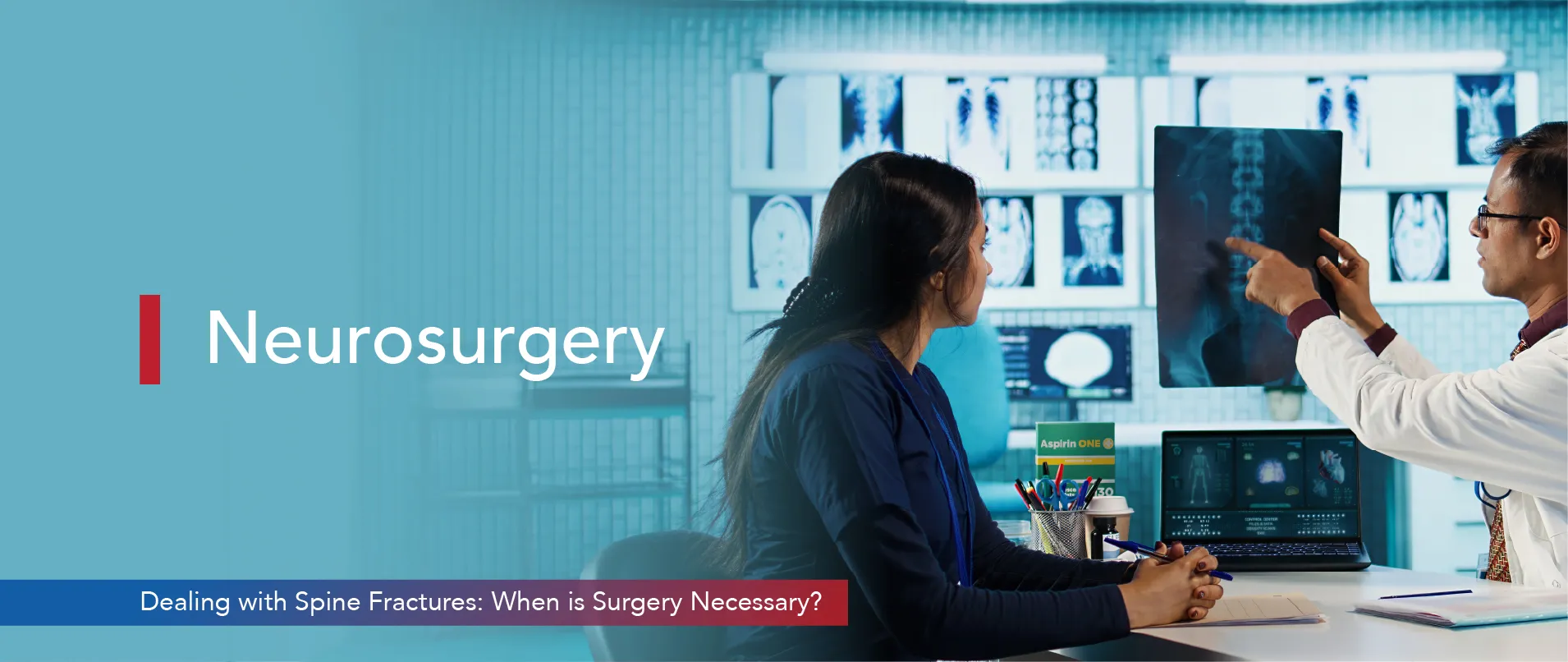
Spine fractures may occur in individuals of any age. These injuries often disrupt movement and may cause pain that interferes with normal function. In some cases, the condition may become severe and impact neurological control. Understanding spine fractures early helps people seek the right treatment. Timely medical guidance also supports better recovery, especially when surgery becomes necessary.
The spine is made up of bones called vertebrae. These protect the spinal cord while supporting posture and movement. When one or more vertebrae break, it results in a spinal fracture. These fractures often differ in severity, location and cause [some may be minor while others may compress nerves or displace the spine’s natural alignment].
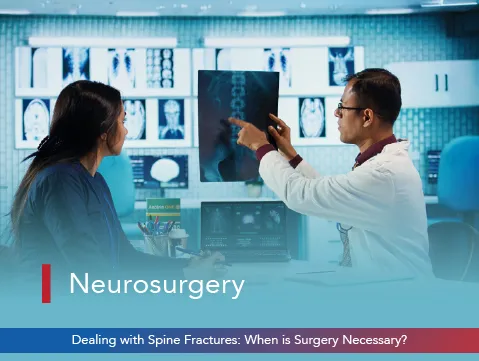
Early detection helps prevent long-term complications. A detailed diagnosis by a neurosurgeon in Bangalore helps identify how serious the fracture is. Hospitals with advanced imaging and neurosurgery departments may offer a clearer picture of bone displacement and nerve pressure. Understanding spine fractures in full helps patients explore safe options for care.
Spine fractures are commonly caused by high-impact trauma or low bone strength. Motor vehicle accidents, falls from a height or direct injuries during sports may result in these fractures. In older adults, even minor falls may cause damage due to underlying bone conditions. Osteoporosis is one of the leading causes of spine fractures in the elderly. In some cases, spine fractures may also appear as a result of tumours or infections weakening the bone.
Spine fracture symptoms vary depending on the location and severity. Sudden, sharp back pain is often the most common sign. Pain may worsen with movement. Some people may notice tingling or numbness in the limbs.
If the spinal cord is involved, weakness or loss of control in the legs may appear. In serious cases, bladder or bowel control may be affected. Recognising these spine fracture symptoms early helps patients get the support they need before complications arise.
Different types of spine fractures affect the vertebrae in different ways. These classifications guide treatment and recovery.
This is the most common type and usually appears when the bone becomes weak. It often affects the front part of the vertebra, causing it to collapse. These fractures may result from osteoporosis or minor trauma.
A burst fracture affects the entire vertebra. This often results from high-impact trauma. The bone may break in multiple directions. There is a higher risk of fragments moving towards the spinal cord. Immediate attention is usually required.
These happen when the spine is forcefully bent forward. They are often seen in car accidents. The force stretches or tears apart the vertebrae. Damage may affect bones along with ligaments.
This is a serious condition involving both broken bones and joint dislocation. It may cause instability in the spine. It also carries a greater chance of nerve injury. This type often needs surgical correction.
Not all spine fractures require surgery. The condition can also be managed with rest, bracing and close observation. The decision is based on the severity and type of fracture.
For minor fractures such as compression fractures, a back brace may be sufficient. This is done to decrease movement and promote healing. Braces are worn for a few weeks or months according to recovery.
Doctors may suggest some pain management routines for minimising discomfort. These include posture correction, sleeping positions and gradual physiotherapy to maintain muscle strength.
In cases where the fracture occurred due to low bone density, treatment may involve planning nutrition and strengthening exercises for the bones. Regular monitoring of patients with osteoporosis is undertaken.
For non-severe cases, a neurosurgeon in Bangalore may suggest conservative care. Follow-up is essential to make sure the bones heal in proper alignment.
Some spine fractures may not heal well on their own. In these situations, surgery becomes necessary to prevent nerve damage or spinal instability.
Surgery may be required when the spinal cord is compressed. In cases where the bones are too damaged to support posture or protect the spinal cord, surgical correction becomes the only option. If there is evidence of neurological symptoms or a risk of spinal deformity, surgery is often considered.
Surgical approaches vary based on the type of fracture.
This procedure involves joining two or more vertebrae using rods and screws. It helps stabilise the spine and prevent movement that may harm the spinal cord.
These are often used in cases of compression fractures. Bone cement is injected into the vertebra to restore shape and strength. Kyphoplasty includes using a balloon to make space before injecting the cement.
In severe cases where bone fragments press against the spinal cord, surgery may remove the pressure. This helps prevent long-term neurological problems.
Choosing a neurosurgery hospital in Bangalore with access to advanced imaging and post-operative care helps ensure better outcomes. Surgical decisions are always made after reviewing symptoms, imaging results and the overall health of the patient.
Understanding spine fractures helps in making timely decisions that may protect long-term health. While some fractures heal on their own, others require surgical repair. Each case must be evaluated individually. A trained neurosurgeon in Bangalore may provide the right path based on imaging, symptoms and functional loss. Early intervention often leads to better outcomes and reduces the chance of long-term issues.
Not all spine fractures cause paralysis. Many involve only the bone structure without affecting the spinal cord. However, if fragments compress the cord or nerves, paralysis may occur. Prompt evaluation helps in avoiding such outcomes.
Spine surgery is often indicated when the vertebra is unstable or when there is pressure on the spinal cord. If non-surgical methods fail or if neurological symptoms worsen, surgical intervention may be recommended for safety and recovery.
Surgery may carry risks like infection, bleeding or injury to nearby nerves. In some cases, pain or weakness may continue post-operation. However, when performed at a specialised neurosurgery hospital in Bangalore, these risks are closely managed with care.
Patients are advised to follow posture guidelines, avoid lifting heavy objects and follow physiotherapy plans. Recovery support includes follow-up appointments along with regular checks to monitor bone healing and mobility progress.
3 Mins Read
Categories: Neurology







Dealing with Spine Fractures: When is Surgery Necessary? is available for appointments. Please fill the below form to book an appointment.
Unlock the door to exceptional healthcare, book an appointment with SPARSH Hospital and let your journey to wellness begin.
Copyright © 2026 SPARSH Hospital, A Unit of Shiva & Shiva Orthopaedic Hospital Pvt Ltd.