Published in : Oncology | February 19, 2026 |
 Medically Reviewed
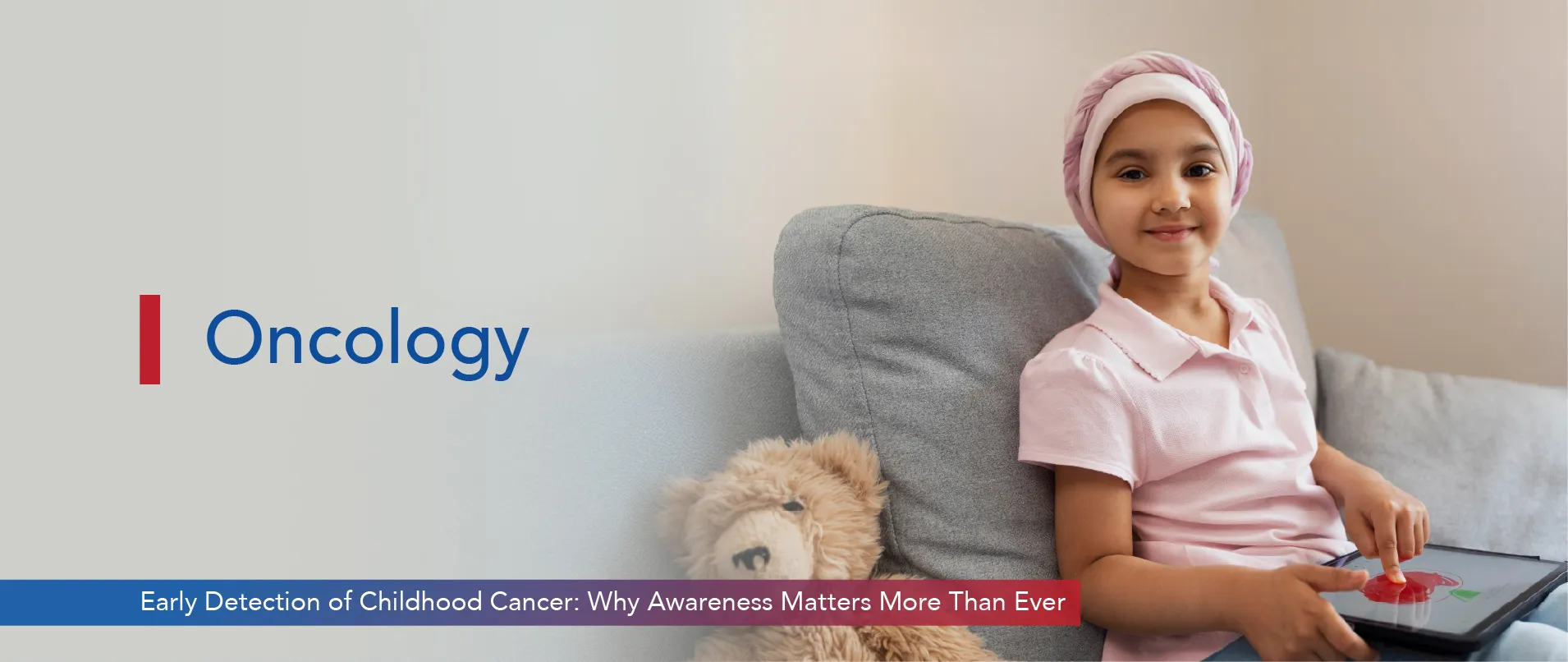
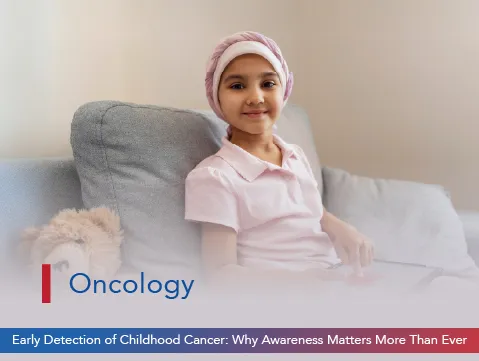
Children’s health is delicate and unpredictable. Sometimes the signs of serious illness may not appear clearly until it becomes difficult to manage. That is why awareness around early detection of childhood cancer remains more important today than ever before. It allows families to make informed decisions and gives children the best possible chance of timely treatment.
Paediatric cancers are not always caused by lifestyle or environmental triggers. These conditions often arise from random cell mutations that occur during early development. Conventionally, there are no clear prevention strategies [which makes early detection the most reliable option for improving outcomes]. Unlike adult cancers that usually take decades to develop, childhood cancers may grow rapidly within weeks or months.
To understand what is childhood cancer, it is important to remember that these are not simply smaller versions of adult cancers. The types, progression and treatment responses may differ significantly. The disease tends to affect different organs depending on age and growth patterns. A common question often asked is how many types of childhood cancer are there. The answer includes leukaemias, brain tumours,lymphomas, sarcomas and several rare forms that require specialised diagnosis.
Parents and caregivers must remain alert to changes that may appear unrelated at first. These may include persistent fatigue, recurring fever or swelling in the limbs. Since children may not always express discomfort clearly, the responsibility falls on the adults around them to observe carefully and act promptly.
The journey towards early diagnosis begins with awareness. Families need more than medical resources. They also require knowledge that prepares them to respond in time. The lack of awareness is often one of the biggest reasons behind delayed detection. In many regions, myths and stigma attached to cancer may create hesitation or denial, especially when the affected child appears physically active or healthy.
Raising awareness ensures that more families know what signs to watch for and how to respond. It gives them a sense of clarity during moments of confusion. More importantly, awareness drives better outcomes at both the community and healthcare levels.
Bridges the Information Gap: Families in both urban and rural settings may not receive timely information about what is the most common childhood cancer or how is childhood cancer diagnosed. Awareness efforts reduce this gap.
Early detection plays a critical role in how well a child may respond to treatment. Many childhood cancers are highly treatable if caught at the right stage. That is why awareness must go hand in hand with timely diagnosis. For instance, when parents understand how is childhood cancer detected, they are more likely to act when symptoms begin to appear.
An early diagnosis may reduce the need for intensive treatments later. It also opens the door to more treatment choices and better quality of life. In recent years, research has shown that survival rates improve significantly when cancers are diagnosed during the early stages of progression.
Paediatric cancers do not always present with dramatic symptoms. Many cases begin with mild or common signs such as frequent infections, weight loss or ongoing bone pain. That is why timing is everything. Families must be encouraged to seek medical guidance if these symptoms do not resolve or become worse.
If a child shows unusual fatigue, unexplained lumps or changes in behaviour, parents must not delay. They must consult a paediatrician or specialist at the earliest. Waiting too long may reduce treatment options. The earlier the consultation begins, the better the outcomes.
Children who have a history of cancer in the family or are undergoing treatment for another serious illness should also be monitored closely. Routine health checks can detect early signs that may otherwise go unnoticed.
Understanding what is childhood cancer and acting on early signs may change the course of a child’s life. The role of awareness goes far beyond information. It is about preparing families to respond in time, ask the right questions and seek specialised help without delay.
Whether it is knowing how to prevent childhood cancer or recognising when to consult a doctor, small actions today may shape better outcomes tomorrow. Paediatric cancer is complex but not beyond control when the right steps are taken early.
Early detection allows for prompt treatment, often before the cancer spreads. It improves the chances of recovery and may reduce the intensity of treatment.
Early screening helps in identifying the condition before symptoms worsen. It improves access to timely intervention and may prevent long-term complications.
Sharing real stories, educating families and organising school-level awareness programmes may help build greater understanding across communities.
Research helps in finding safer and more effective treatments. It also helps doctors understand why some children develop cancer and how future cases may be managed better.
3 Mins Read
Categories: Oncology
Early Detection of Childhood Cancer: Why Awareness Matters More Than Ever is available for appointments. Please fill the below form to book an appointment.
Unlock the door to exceptional healthcare, book an appointment with SPARSH Hospital and let your journey to wellness begin.
Copyright © 2026 SPARSH Hospital, A Unit of Shiva & Shiva Orthopaedic Hospital Pvt Ltd.