Published in : Women & Children | January 7, 2026 |
 Medically Reviewed
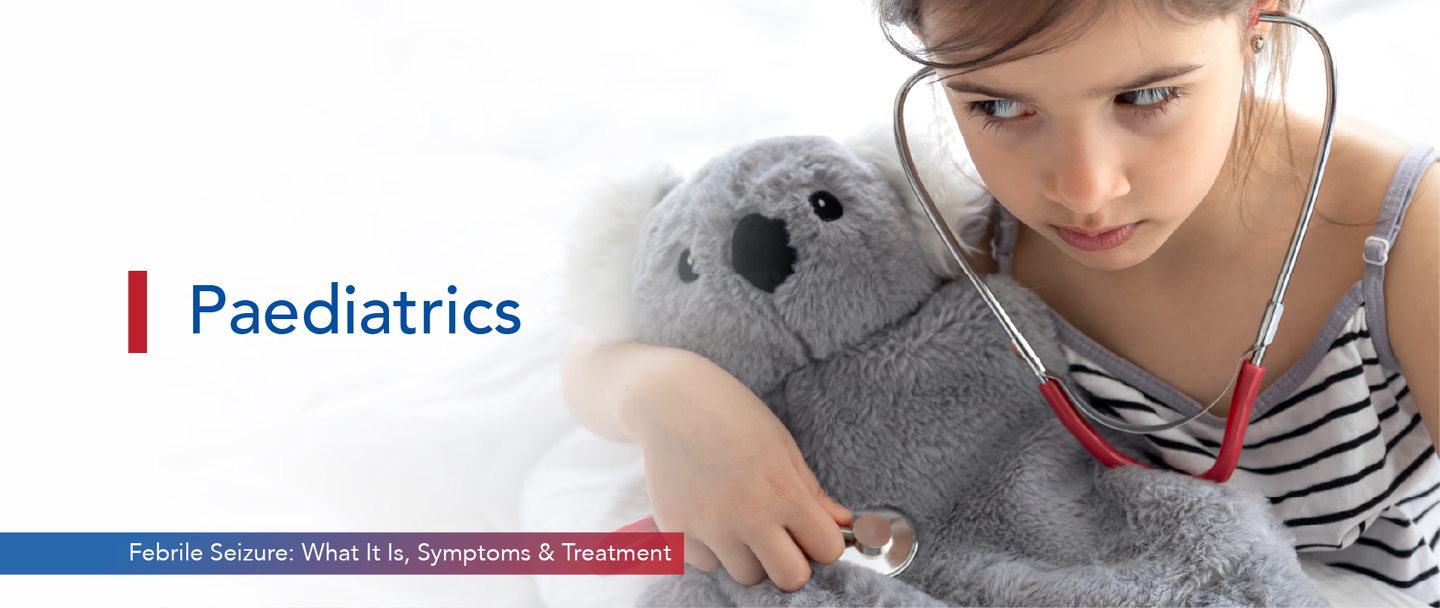
When a child begins to shake during a fever it often causes immediate panic in most parents or caregivers. The situation feels sudden, alarming and confusing. This event is known as a febrile seizure and it usually appears without warning during the early phase of a fever-causing illness.
Although the episode appears dramatic it is more common than most people think. It happens in younger children when the body temperature rises quickly due to an infection. Many families respond with fear the first time they witness such an event. That is why understanding what a febrile seizure is and knowing how to act can make a difference.
This blog will walk you through every important detail about febrile seizures in a child including symptoms, causes, management methods and treatment approaches. We will also explain how febrile seizure management works in practice and when parents should seek professional help from a medical expert.
When trying to understand what is a febrile seizure, it helps to begin with a clear picture. A febrile seizure happens when a child between the ages of six months and five years experiences a convulsion during a fever. It is not the same as epilepsy. It does not mean the child has a long-term seizure condition.
Febrile seizures are linked to a sudden rise in body temperature. They are most often triggered by viral infections or illnesses that cause high fever. The seizure usually lasts a short time and resolves without any permanent effect on the child.
To manage a seizure well, one must first understand the febrile seizure causes and symptoms. Not every fever will lead to a seizure. But certain factors during an illness may trigger one, especially if the body temperature rises quickly.
Understanding these febrile seizure symptoms allows parents and caregivers to react without panic. Recognising the signs early helps in planning the right response.
While febrile seizures in a child are fairly common, certain children are more likely to experience them than others. Identifying the risk factors is important for both prevention and preparation.
Risk Factors to Be Aware Of:
While these risk factors increase the chance, they do not confirm that seizures will occur. Still, it helps to remain informed and consult the best paediatricians in Bangalore for ongoing guidance
When a child has a seizure during a fever, the immediate step is to determine what kind of seizure occurred. The doctor will usually assess the child’s history, symptom duration, and any family background related to seizures. Further testing is often not required in cases of simple febrile seizures. But if the episode is complex or prolonged, doctors may order certain tests to rule out other conditions.
Caregivers who wish to explore further options may consider contacting the best paediatric hospitals in Bangalore for advice tailored to their child’s needs.
No parent wants to see their child experience a seizure. Still, being prepared helps manage the situation better. Staying calm during the episode protects the child and prevents unnecessary harm.
Steps to Take During a Febrile Seizure:
By knowing how to respond, parents can reduce their own anxiety and ensure that the child receives the care they need.
While febrile seizures are usually not dangerous, it is still important to know when to consult a doctor. A single seizure may not raise concern. But if certain signs appear, medical help becomes necessary.
The parents want to understand how to prevent febrile seizures or learn practical methods for long-term febrile seizure management. Consulting specialists at the best paediatric hospitals in Bangalore may help ensure that the child’s condition is fully evaluated and future risks are discussed in detail.
Understanding febrile seizures is the first step toward removing the fear and uncertainty that surrounds them. If you live in or around Bangalore, speaking to the best paediatricians in Bangalore may offer clarity, routine guidance, and the reassurance that your child’s care is in trusted hands.
The most common symptom is sudden shaking or jerking of the body during a high fever. The child may also lose awareness for a few minutes.
Most febrile seizures last between one and five minutes. Some complex cases may last longer and require emergency medical attention.
After the seizure, the child may feel sleepy, confused, or drowsy. These effects usually wear off within a short time after the episode.
A sudden spike in temperature may disrupt normal brain signals, leading to short-term convulsions. This reaction is temporary and usually does not affect long-term brain function.
Most febrile seizures do not lead to brain damage. While complex seizures may raise some risk, permanent damage remains uncommon in the majority of cases.
3 Mins Read
Categories: Women & Children








Febrile Seizure: What It Is, Symptoms, and Treatment is available for appointments. Please fill the below form to book an appointment.
Unlock the door to exceptional healthcare, book an appointment with SPARSH Hospital and let your journey to wellness begin.
Copyright © 2026 SPARSH Hospital, A Unit of Shiva & Shiva Orthopaedic Hospital Pvt Ltd.