Published in : Oncology | January 7, 2026 |
 Medically Reviewed
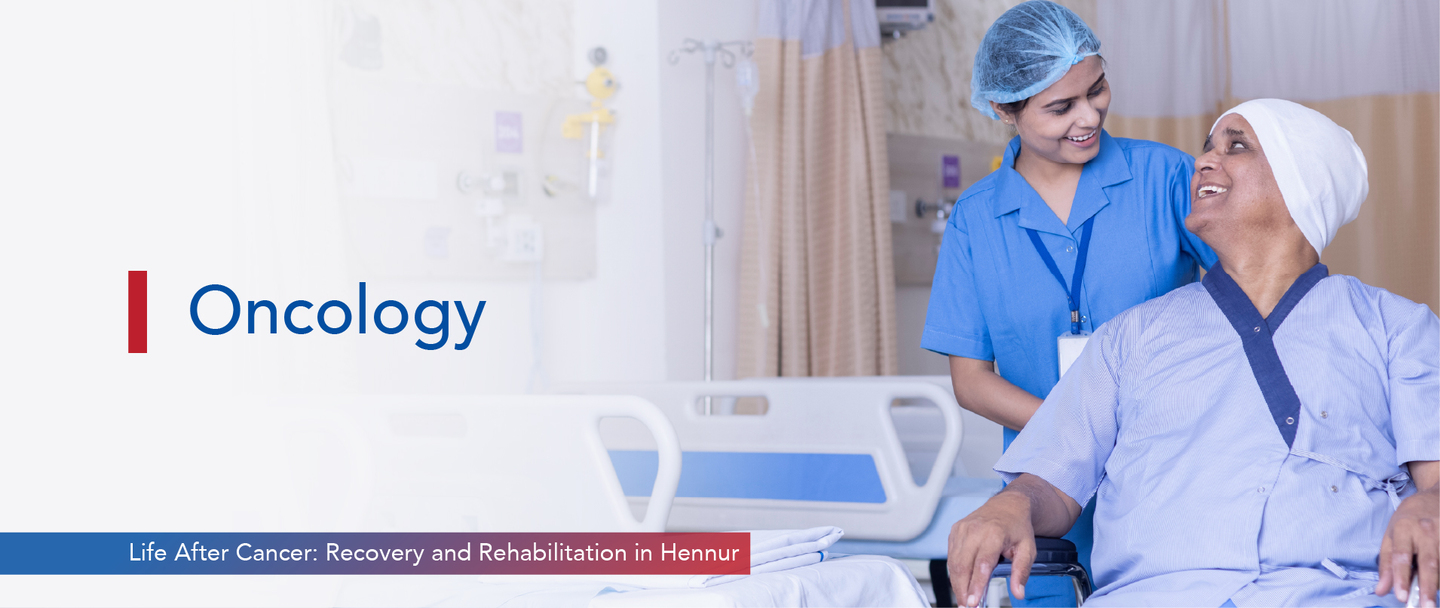
Cancer treatment does not always end with the final hospital visit. For many individuals, the real journey begins after the last session of chemotherapy or radiation. Life changes in ways that are both expected and unexpected. Survivors often find themselves in a completely new emotional and physical space.
There is relief, yes, but there is also uncertainty. This phase of life is not about going back to the way things were. It is about understanding what life looks like now and moving forward with it. That phase is known as the “new normal.”
If you are based in Hennur and have recently completed your treatment, this article is for you. It explores what post-cancer care involves, how to rebuild strength gradually, and what kind of oncology support in Hennur is relevant in the months after treatment ends. Whether you are adjusting to life after chemotherapy or seeking structured cancer recovery programs, understanding this stage can help you make better decisions for your long-term well-being.
The phrase “new normal” is often used casually, but for someone who has completed cancer treatment, it carries weight. Life after cancer feels different. Some changes are physical. Some are emotional. Some changes are hard to explain at all. Survivors sometimes experience tiredness that lingers. Others feel confused when their follow-up visits are reduced in frequency. Some find new meaning in their life goals, while others feel unsure about their body, appearance or relationships.
One of the biggest challenges is that other people may expect you to go back to “normal” quickly. But recovery does not follow a fixed schedule. Even after physical healing, the emotional effects of treatment may last longer. You might feel grateful that treatment is over. At the same time, you might feel sad, anxious or disconnected. That is a valid response to a difficult experience.
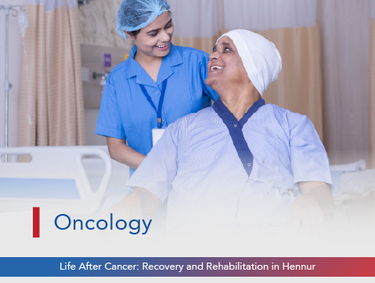
Several survivors today are actively engaging in cancer rehabilitation in Hennur. Whether this involves light physical therapy or psychological counselling, support matters during this stage. Survivors benefit from building a routine that includes both self-care and oncology follow-up. Being kind to yourself is an important part of this new normal.
Even when treatment ends, fear does not always go away. One of the most common thoughts among survivors is the fear of cancer returning. This fear may appear before check-ups, after a new ache, or without any reason at all. These concerns are real and normal.
A good first step is to ask clear questions during each follow-up visit. Discuss your risk of recurrence based on the type of cancer and treatment received. It helps lower unnecessary anxiety.
Keep a simple diary of physical and emotional changes. This helps you track patterns over time and makes medical consultations more focused and efficient.
Your care team may provide a written survivorship plan. It usually contains a schedule for check-ups, scans and blood work. It gives clarity and predictability to your journey.
Staying active with daily tasks, light exercise, or hobbies can help shift focus from fear to action. Routine gives a sense of control.
If fear affects your sleep, eating or peace of mind, speak to a counsellor. Mental health care is an essential part of post-cancer care, especially in the first year after treatment.
Once treatment is over, the body still needs time to adjust. Healing continues even after the last round of chemotherapy. Many survivors find that small changes in daily habits help them feel stronger, more in control, and more
prepared for the future.
Movement helps reduce fatigue and improve emotional stability. Walking, stretching, or short strength-building routines help restore energy gradually without overexertion.
Eating fresh fruits, vegetables, whole grains and lean protein supports overall health. If treatment caused changes in appetite or weight, a nutritionist may offer valuable guidance.
Good hydration, regular meals and proper sleep support hormone balance and healing. They also improve mood and immunity over time.
Staying away from harmful substances supports long-term recovery. Your care provider may suggest specific guidance if these were used during or before treatment.
These tools help with stress reduction. They also help you become more aware of your physical and emotional patterns, which is important during early survivorship.
There is no fixed number of visits that suits everyone. But it is important to know when to check in with an expert after the treatment phase. In the early months after chemotherapy or radiation, follow-up visits are often scheduled more frequently. Over time, the intervals increase. Even if you are feeling well, these visits are crucial.
You should consult your oncologist if you notice any new or unusual symptoms. These include unexplained pain, swelling, changes in skin colour, bleeding, persistent cough or weight changes. Emotional changes also matter. If anxiety, sadness, or loss of interest in daily life continues for weeks, bring it up during your appointment.
Survivors in Hennur have access to oncology hospitals in Hennur where doctors create personal care plans. The goal is not only to catch any problems early but also to ensure that you receive proper guidance for long-term recovery. Many of the best oncologists in Hennur also help patients manage late effects of treatment – these are issues that show up months or even years later.
Even if everything seems fine, checking in every six months or as advised keeps your records updated and your care structured.
Completing cancer treatment is a milestone. But it is not the finish line. Recovery is a process that continues long after the hospital visits end. Every survivor’s path is unique. Some regain energy quickly. Others take longer. Some find strength in routine. Others take time to reconnect with themselves. There is no single correct pace.
Yes. Many people return to work, family life and hobbies after treatment. The idea of normal may change, but with time and support, a new rhythm of life develops.
Some people become more reflective. Others prioritise things differently. Many survivors feel stronger emotionally. However, it is also normal to feel anxious or cautious for a while.
You are considered a cancer survivor from the day of diagnosis. That identity continues through treatment and into life after recovery, including the follow-up and long-term care phase.
The highest risk of recurrence is usually within the first two to five years after treatment. This depends on the cancer type. Regular follow-up visits help monitor early signs.
Fatigue, emotional stress, fear of recurrence, relationship shifts and body image concerns are common. Access to structured post-cancer care helps manage these challenges in a steady, supported way.
3 Mins Read
Categories: Oncology



Life After Cancer: Recovery and Rehabilitation in Hennur is available for appointments. Please fill the below form to book an appointment.
Unlock the door to exceptional healthcare, book an appointment with SPARSH Hospital and let your journey to wellness begin.
Copyright © 2026 SPARSH Hospital, A Unit of Shiva & Shiva Orthopaedic Hospital Pvt Ltd.