Published in : Orthopedics | January 2, 2026 |
 Medically Reviewed
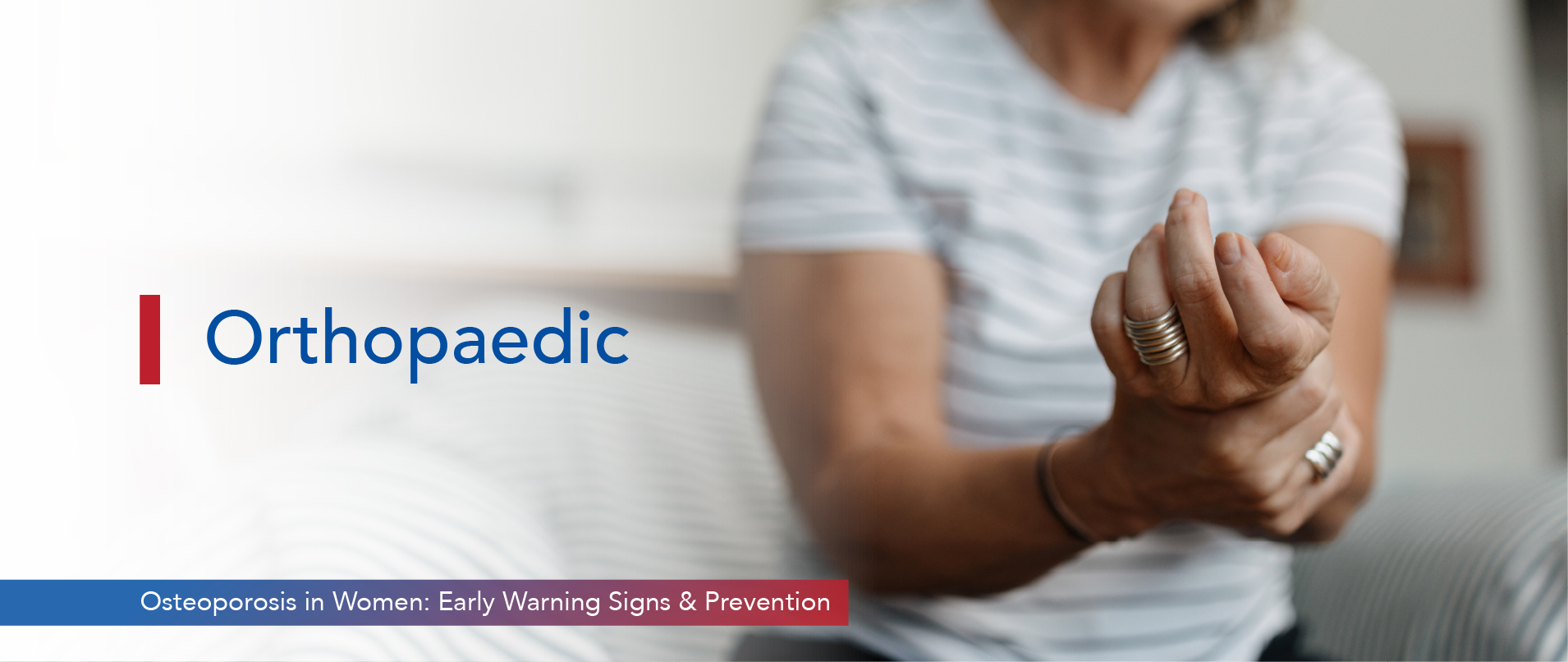
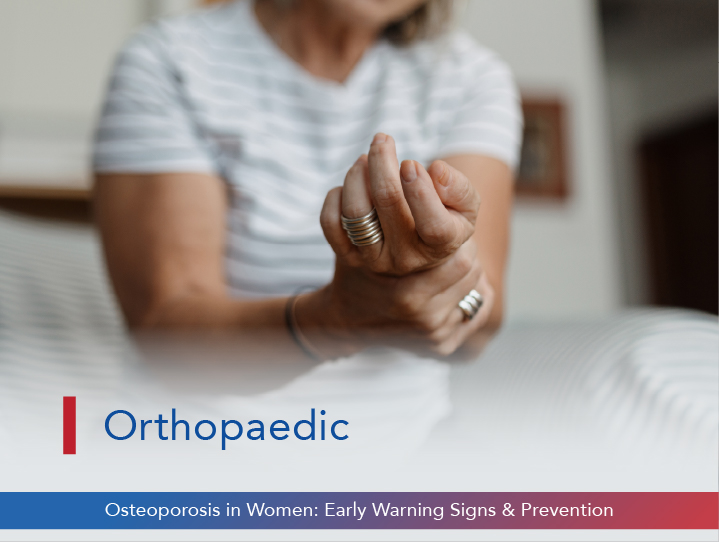
Osteoporosis in women refers to a condition where bones gradually weaken over time, often without showing early symptoms. This disease remains one of the most overlooked causes of injury and immobility in older women. In many cases, people search for an explanation only after a sudden fracture.
By that time, significant bone loss may already have occurred. Understanding how to identify osteoporosis early and how to prevent its progression helps protect long-term health, independence, and physical strength. The goal is to recognise the early signs of osteoporosis, understand the causes of osteoporosis in women, and take preventive steps as early as possible.
Osteoporosis generally develops when bone mass reduces and the internal structure of the bone tissue weakens. The bones become porous and less dense due to an imbalance between bone loss and bone rebuilding. Although bones continually renew themselves, the process slows after age 30.
Women are especially vulnerable due to hormonal changes during and after menopause, which affect bone-forming cells. Osteoporosis in women may remain silent for years before a minor fall or injury results in a major fracture. The condition is especially dangerous because early signs of osteoporosis often go unnoticed until complications arise.
The signs and symptoms of osteoporosis are subtle in the early stages. Often, they appear only after the bones have become fragile. Recognising osteoporosis early warning signs helps reduce long-term damage and may help reduce the risk of fractures. The following symptoms may indicate osteoporosis in women
Each of these symptoms may appear gradually and may be overlooked in daily life. Osteoporosis symptoms in women frequently remain unnoticed until a fracture or postural change draws clinical attention.
Osteoporosis in women arises due to multiple contributing factors that either accelerate bone breakdown or prevent effective bone regeneration. Many of these causes are hormonal, nutritional, or systemic. Understanding the causes of osteoporosis in women may help guide earlier screening and risk reduction strategies. The following are some of the leading contributors
Each cause affects bone integrity through different pathways. Whether hormonal, nutritional, or mechanical, all contribute to reduced bone strength and a higher likelihood of skeletal complications in women.
While some causes directly contribute to bone loss, risk factors increase the likelihood of developing osteoporosis without directly triggering the condition. Recognising these helps determine who may benefit most from screening and early prevention. The most common risk factors include:
Recognising these risk factors in advance may guide clinicians in recommending lifestyle adjustments, nutrition counselling, or early bone density testing in vulnerable individuals.
The diagnosis of osteoporosis is most often confirmed using a bone mineral density scan, also known as a DEXA scan. It measures the density of bone at critical sites, such as the spine or hip. This test is painless and non-invasive. Once diagnosed, the approach to treatment depends on the severity of bone loss and the presence of additional risk factors. Treatment often includes:
Although treatment may not fully reverse bone loss, it may slow its progression and help prevent further damage when combined with daily safety practices.
Osteoporosis prevention in women is possible when bone health is prioritised early in life and preserved through ongoing lifestyle decisions. The earlier preventive steps are taken, the better the chance of maintaining healthy bone mass and strength. Key strategies for how to prevent osteoporosis include:
Osteoporosis prevention in women must begin early but can be effective at any age if consistent attention is given to bone health habits.
Women who experience unexplained back pain, loss of height, or visible postural changes should consult a medical provider for evaluation. A history of frequent fractures or a single fracture with minimal trauma may signal an underlying weakness in the bone.
It is advisable to consult the best orthopaedic hospital in Bangalore or seek guidance from the best orthopaedist in Bangalore if symptoms interfere with daily movement or if osteoporosis has already been diagnosed. Early professional consultation may reduce complications, provide accurate monitoring, and prevent further fractures in high-risk individuals.
Osteoporosis in women is a serious yet preventable condition that silently affects millions across the world. Its progression is subtle, but its complications may become life-altering if ignored. Recognising osteoporosis early warning signs, understanding the causes of osteoporosis in women, and following proactive steps for prevention remain the most effective ways to protect bone health. With consistent care, lifestyle modification and expert intervention, it is possible to maintain bone strength and mobility well into older age.
Maintaining bone health through regular weight-bearing exercise, adequate calcium and vitamin D intake, and avoiding tobacco or alcohol are effective preventive strategies. Early screening also helps reduce long-term risks.
Early signs of osteoporosis include back pain, height loss, poor posture and fractures after mild impact. These symptoms may appear subtly but often suggest weakened bone integrity.
Bone thinning, height loss and spinal compression often occur silently. Many women remain unaware of bone loss until fractures or visible postural changes appear during routine check-ups or injury evaluations.
Osteoporosis primarily affects bones. The spine, hips and wrists are most vulnerable to fractures due to structural thinning. The skeletal system suffers the most functional impact from prolonged bone loss.
Women over age 50, particularly those post-menopause, are most vulnerable. Additional risk factors include low body weight, smoking, inactivity, family history and chronic medical conditions affecting calcium absorption.
3 Mins Read
Categories: Orthopedics





Osteoporosis in Women: Early Warning Signs and Prevention is available for appointments. Please fill the below form to book an appointment.
Unlock the door to exceptional healthcare, book an appointment with SPARSH Hospital and let your journey to wellness begin.
Copyright © 2026 SPARSH Hospital, A Unit of Shiva & Shiva Orthopaedic Hospital Pvt Ltd.