Published in : Dermatology | December 8, 2025 |
 Medically Reviewed
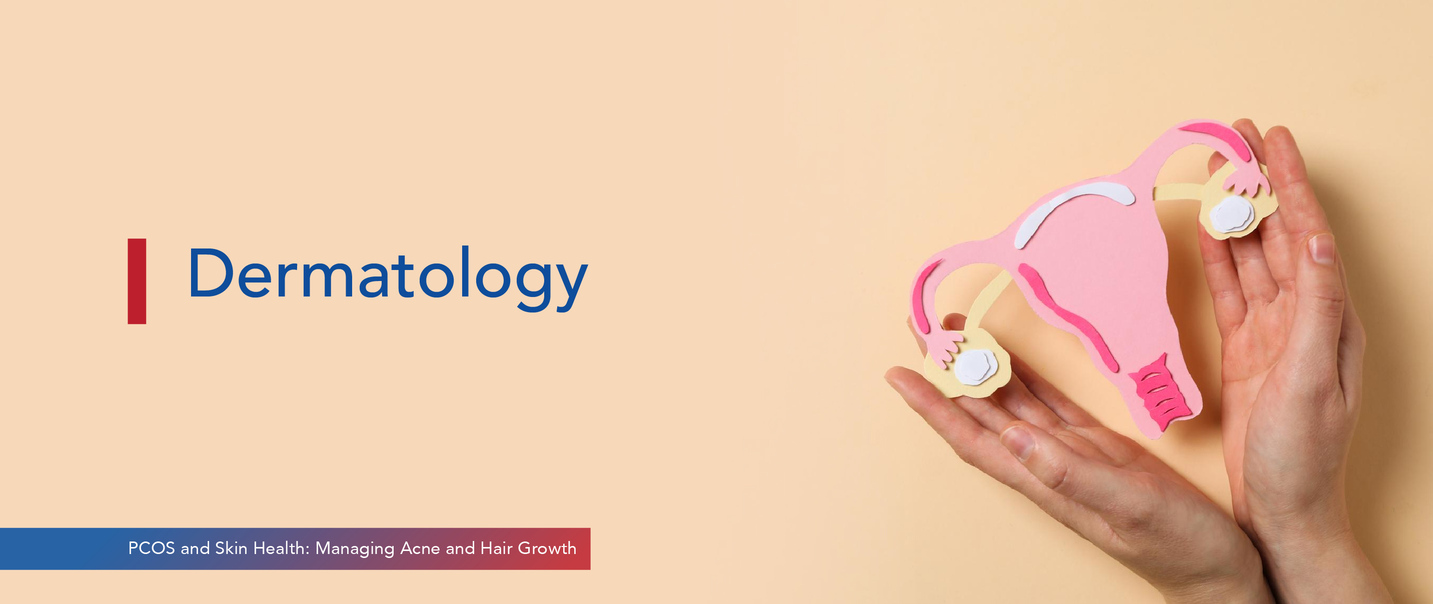
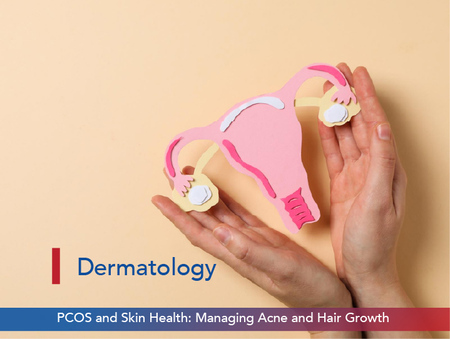
Polycystic Ovary Syndrome (PCOS) is a common endocrine disorder that affects millions of women worldwide. Characterised by hormonal imbalance, PCOS not only disrupts menstrual cycles and fertility but also significantly impacts skin health. Many women experience acne, excessive hair growth, and skin changes as visible signs of the condition. Understanding how PCOS affects your skin and learning effective management strategies can help improve both confidence and overall well-being.
PCOS occurs when the ovaries produce excessive male hormones (androgens), leading to an imbalance in the normal hormonal cycle. This imbalance disrupts the release of eggs and influences several body systems, including the skin.
One of the most common signs of PCOS is persistent acne, especially on the lower face, jawline, and back. Women may also notice unwanted facial hair growth (hirsutism) and thinning scalp hair. These symptoms often cause emotional distress but can be effectively managed with the right medical care and lifestyle changes.
Skin manifestations in PCOS often act as external indicators of internal hormonal fluctuations. Early recognition of these symptoms allows for timely diagnosis and management, preventing long-term complications such as Abnormal Uterine Bleeding and metabolic issues.
The relationship between PCOS and skin problems lies in the interplay of hormones—especially androgens, insulin, and oestrogen. These hormonal shifts lead to multiple dermatological issues:
In PCOS, the ovaries and adrenal glands produce higher levels of androgens (male hormones). These stimulate sebaceous (oil) glands, causing oily skin and clogged pores, leading to acne in PCOS. Androgens also trigger excessive facial and body hair (PCOS hair growth) in areas such as the chin, upper lip, chest, and abdomen.
Many women with PCOS experience insulin resistance, where the body struggles to regulate blood sugar. Elevated insulin levels stimulate more androgen production, worsening acne and PCOS facial hair. Insulin resistance also promotes inflammation, contributing to poor skin health.
Chronic low-grade inflammation is another hallmark of PCOS. This inflammation affects collagen production and skin barrier function, leading to dull, sensitive, or easily irritated skin.
PCOS may cause hyperpigmentation, particularly around the neck, underarms, or groin, a condition known as Acanthosis Nigricans. It occurs due to insulin resistance and excess melanin production.
Women with PCOS may experience multiple skin changes, each requiring a tailored treatment approach.
Unlike teenage acne, PCOS acne tends to be deep, painful, and cystic. It appears primarily on the lower cheeks, jawline, and neck due to hormonal influence. These breakouts may persist despite over-the-counter treatments and often require hormonal or medical intervention.
Unwanted facial and body hair is one of the most distressing PCOS symptoms. Elevated androgen levels cause hair follicles to produce thick, coarse hair on the chin, upper lip, chest, and stomach—areas typically sparse in women.
While excess hair appears in some areas, many women experience hair thinning on the scalp (androgenic alopecia). The same androgens responsible for facial hair stimulate male-pattern baldness.
Excess sebum production caused by androgen dominance leads to oily skin and enlarged pores, increasing the risk of bacterial growth and acne formation.
Due to insulin resistance, dark patches may appear on the neck, armpits, or thighs. These can be early indicators of metabolic changes in PCOS.
Although PCOS cannot be completely cured, its skin-related symptoms can be effectively controlled through medical treatment, skin care, and lifestyle changes.
Consulting a gynecologist or dermatologist is essential for proper diagnosis and treatment. Some effective medical approaches include:
If you are looking for expert guidance, SPARSH Hospitals, one of the best gynaecology hospitals in Bangalore, offers specialized PCOS management under the care of some of the best gynecologists in Bangalore.
A proper PCOS skin care routine can help manage acne, oiliness, and sensitivity while maintaining healthy skin.
Use a mild, sulfate-free cleanser twice daily to remove excess oil without stripping natural moisture.
Exfoliate 2–3 times a week with products containing salicylic acid or glycolic acid to prevent clogged pores and reduce acne.
Even oily skin needs hydration. Opt for a non-comedogenic, oil-free moisturizer to balance sebum production.
Sunscreen is vital in preventing pigmentation and protecting skin from UV damage. Use a broad-spectrum SPF 30 or higher daily.
Use topical creams with retinoids or niacinamide to improve acne, texture, and pigmentation.
Lifestyle plays a crucial role in managing PCOS skin problems. Adopting healthy habits can help balance hormones and improve skin appearance.
Focus on a diet rich in fruits, vegetables, whole grains, lean proteins, and healthy fats. Avoid refined sugar, processed foods, and dairy that may trigger acne.
Engaging in at least 30 minutes of physical activity daily can improve insulin sensitivity and reduce androgen levels, leading to better skin and hair health.
Chronic stress worsens hormonal imbalance. Practise yoga, meditation, or deep-breathing exercises to regulate cortisol levels.
Poor sleep affects hormone regulation and skin regeneration. Aim for 7–8 hours of quality sleep every night.
For those experiencing facial hair, choose gentle methods such as laser hair reduction, waxing, or threading under professional guidance.
If you notice persistent acne, sudden facial hair growth, irregular periods, or unexplained weight gain, it’s important to consult a healthcare expert. Early diagnosis and treatment can prevent further complications such as Abnormal Uterine Bleeding and fertility issues.
At SPARSH Hospitals, our multidisciplinary team of endocrinologists, dermatologists, and gynecologists provides personalized PCOS skin treatment. With a focus on both internal balance and external care, we ensure holistic management for long-term results.
PCOS affects more than just reproductive health—it significantly influences skin health through hormonal imbalance and metabolic changes. While acne and hair growth can be frustrating, understanding their root cause and adopting a holistic approach can bring lasting relief.
With medical guidance, balanced nutrition, and consistent skin care, you can manage PCOS skin changes effectively. If you’re in Bangalore, consult the best gynecologist in Bangalore at SPARSH Hospitals for comprehensive diagnosis and treatment tailored to your needs.
PCOS acne occurs due to excess androgen production that increases oil secretion, clogging pores and causing inflammation.
Treatment options include anti-androgen medications, hormonal therapy, and laser hair reduction for long-term control of PCOS hair growth.
Yes, a low-glycemic, nutrient-rich diet helps regulate insulin and hormone levels, improving acne and reducing inflammation.
With proper medical care and lifestyle management, most PCOS skin problems such as acne and pigmentation can be controlled effectively.
You can consult SPARSH Hospitals, renowned as one of the best gynecologist hospitals in Bangalore, for expert care in managing PCOS and related skin concerns.
3 Mins Read
Categories: Dermatology






PCOS and Skin Health: Managing Acne and Hair Growth is available for appointments. Please fill the below form to book an appointment.
Unlock the door to exceptional healthcare, book an appointment with SPARSH Hospital and let your journey to wellness begin.
Copyright © 2026 SPARSH Hospital, A Unit of Shiva & Shiva Orthopaedic Hospital Pvt Ltd.