Published in : Neurology | June 13, 2026 |
 Medically Reviewed

Have you ever felt a sudden pins-and-needles feeling in your hands or fingers and wondered if it was something serious? A tingling sensation may seem harmless at first, but when it becomes frequent or persistent, it can sometimes indicate an underlying health concern.
In fact, approximately 2.4% of the global population is affected by peripheral nerve disorders, with this number rising to nearly 8% among older adults. It highlights how common nerve-related symptoms such as tingling can be, especially with age or certain health conditions.
While occasional tingling can happen due to temporary nerve pressure, repeated or ongoing symptoms should not be ignored. Therefore, understanding what a tingling sensation means, what causes it, and when to seek medical help is essential for early diagnosis and effective treatment.
This blog explains the possible causes, symptoms, and treatment options, helping you make informed decisions about your health.
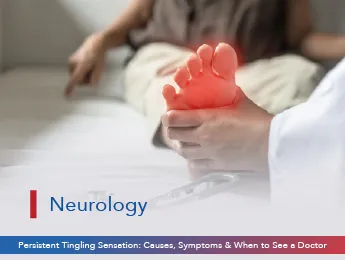
A tingling sensation, medically known as paresthesia, is an abnormal feeling often described as pins and needles, prickling, or slight numbness. It commonly affects the hands, feet, arms, or legs.
Paresthesias can be temporary or persistent. Temporary tingling usually occurs when pressure is applied to a nerve, such as when sitting in one position for too long. However, persistent symptoms may indicate a deeper neurological issue.
Common characteristics:
Understanding what a tingling sensation in the hands indicates is important, especially when it occurs repeatedly.
Many people ask, what does tingling mean in a medical context. In simple terms, it often reflects nerve irritation, compression, or damage.
The nervous system plays a key role in transmitting signals between the brain and body. When this communication is disrupted, it may result in a tingling sensation.
Therefore, occasional tingling may not be concerning. However, persistent symptoms require medical attention.
Several conditions can cause numbness and tingling in the fingers or other parts of the body. Identifying the cause is essential for proper treatment.
Common conditions:
Additionally, people experiencing a tingling sensation in their hands often ask, “Why are my fingers tingling?” The answer may vary depending on lifestyle, posture, or underlying medical conditions. Hence, recognising associated symptoms can help identify the root cause.
While many factors contribute, certain factors are more commonly linked to paresthesias.
Frequent causes:
Moreover, persistent numbness in fingers may indicate ongoing nerve compression or damage. Therefore, identifying these causes early can help prevent long-term complications.
Some individuals are more likely to experience a tingling sensation due to specific risk factors.
Key risk factors:
Additionally, frequent numbness and tingling in fingers may occur in people who spend long hours typing or using handheld devices.
Hence, awareness of these risk factors can help prevent and manage them early.
Managing a tingling sensation depends on its underlying cause. While temporary cases may resolve on their own, persistent symptoms require medical evaluation.
Self-care measures:
Medical treatment options:
Moreover, early diagnosis is key to preventing complications associated with paresthesias.
While occasional tingling is common, certain symptoms require prompt medical attention.
Consult a doctor if you experience:
Therefore, timely consultation ensures appropriate diagnosis and treatment.
A tingling sensation may appear minor, but when it becomes persistent, it should not be ignored. Understanding what tingling means, recognising symptoms such as numbness and tingling in the fingers, and identifying causes, such as paresthesias, can help with early detection and treatment.
If you often wonder why your fingers are tingling or experience recurring tingling or numbness in your fingers, it is important to seek medical advice.
At Sparsh Hospital, a leading Neurology Hospital in Bangalore, expert care is available for accurate diagnosis and treatment. Consulting a qualified Neurologist in Bangalore ensures that underlying conditions are identified and managed effectively.
Nerve compression, poor posture, repetitive movements, or underlying conditions such as diabetes or vitamin deficiencies can cause tingling in the hands.
Occasional numbness may not be serious. However, persistent or worsening symptoms may indicate nerve damage or other medical conditions that require specialist evaluation.
Tingling, known as paresthesia, refers to abnormal sensations caused by nerve irritation, compression, or damage affecting communication between nerves and the brain.
You should see a doctor if tingling is persistent, worsening, or associated with weakness, dizziness, or difficulty in movement.
Yes, improving posture, maintaining a balanced diet, staying active, and avoiding repetitive strain can help reduce and prevent tingling in many cases.
3 Mins Read
Categories: Neurology


Persistent Tingling Sensation: Causes, Symptoms & When to See a Doctor is available for appointments. Please fill the below form to book an appointment.
Unlock the door to exceptional healthcare, book an appointment with SPARSH Hospital and let your journey to wellness begin.
Copyright © 2026 SPARSH Hospital, A Unit of Shiva & Shiva Orthopaedic Hospital Pvt Ltd.






 Live Chat