Published in : Neurology | July 16, 2026 |
 Medically Reviewed
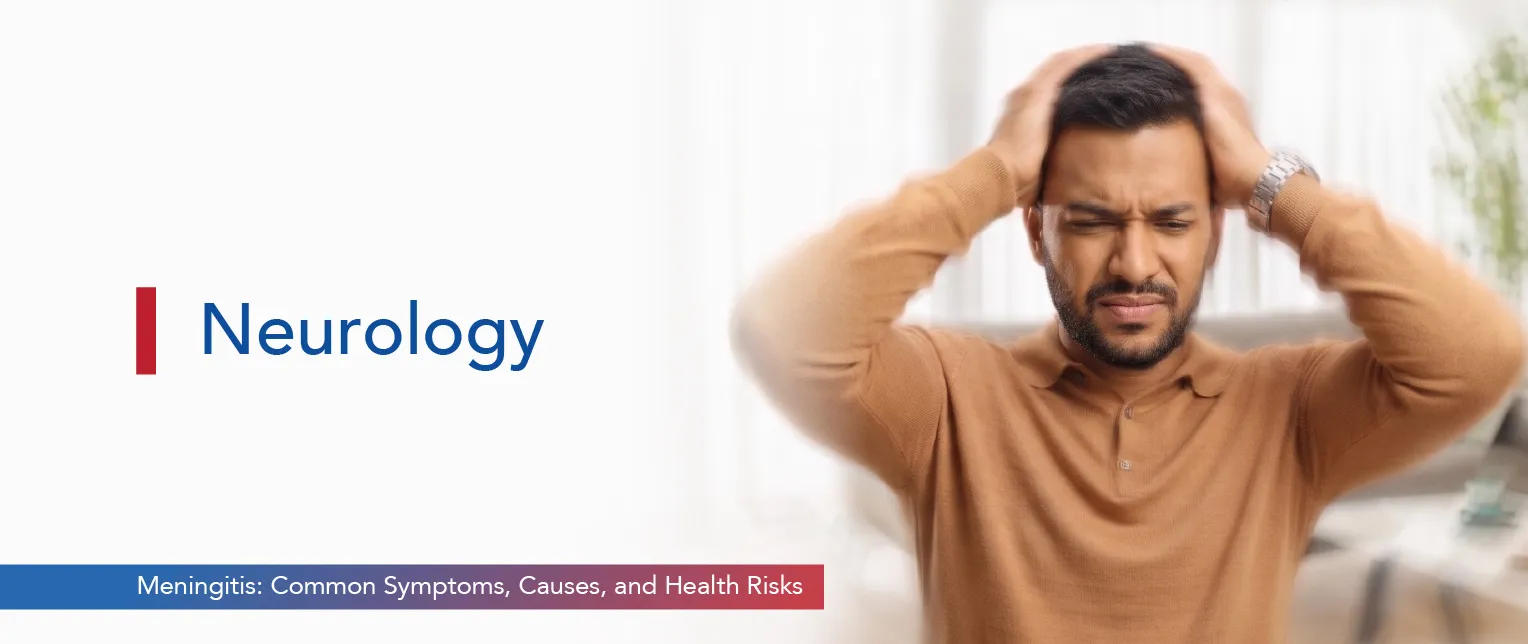
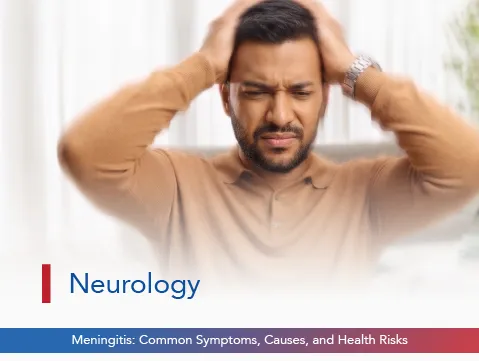
What starts as a simple fever or headache can sometimes turn into a serious medical emergency within hours. Meningitis is a condition that causes inflammation of the protective membranes surrounding the brain and spinal cord. Although it can affect people of all age groups, delayed treatment may lead to severe neurological complications and, in some cases, become life-threatening.
Understanding what meningitis is, recognising early warning signs, and knowing when to seek medical attention can help reduce complications and improve recovery outcomes.
Many people ask what meningitis is and how serious it can be. Meningitis refers to inflammation of the meninges, the protective layers that cover the brain and spinal cord. Infections usually cause this inflammation, although non-infectious conditions may also contribute in certain cases.
Because meningitis directly affects the nervous system, it is often considered a serious form of brain infection that requires immediate medical evaluation. The condition may develop suddenly and progress rapidly, especially in bacterial cases.
There are several types of meningitis, and the severity may vary depending on the underlying cause.
Bacterial meningitis is one of the most serious forms and requires urgent treatment. It can spread quickly and may lead to severe complications if untreated.
Viral meningitis is generally less severe than bacterial meningitis. Many patients recover with supportive care and rest.
This type is less common and mainly affects individuals with weakened immune systems.
Certain parasites, autoimmune diseases, medications, or cancers may also trigger meningitis-like inflammation.
Recognising meningitis symptoms early is extremely important, as the condition can worsen quickly.
Common symptoms include:
Some patients may also experience fatigue, irritability, or difficulty waking up. In infants and young children, symptoms may appear differently and can include poor feeding, excessive crying, or lethargy.
Certain signs of meningitis require immediate medical attention because they may indicate severe infection or complications.
Emergency warning signs include:
Therefore, patients experiencing these symptoms should seek urgent medical care without delay.
Understanding the causes of meningitis helps with both prevention and early treatment. The condition is commonly caused by infections that spread through respiratory droplets, close contact, or weakened immunity.
Common meningitis causes include:
Additionally, certain individuals may have a higher risk due to underlying health conditions or compromised immunity.
Since meningitis involves inflammation around the brain and spinal cord, it can significantly affect neurological function. Increased pressure and swelling may disrupt normal brain function.
In severe cases, the condition may lead to hearing loss, memory problems, seizures, or long-term neurological complications. Therefore, early treatment is essential to reduce the risk of permanent damage from this serious brain infection.
Early meningitis diagnosis is crucial for successful treatment. Doctors usually begin with a physical examination and evaluation of symptoms.
Diagnostic tests may include:
A lumbar puncture helps doctors examine spinal fluid for signs of infection and inflammation. Additionally, imaging scans may help identify swelling or complications affecting the brain.
The approach to meningitis treatment depends on the underlying cause and severity of infection.
Bacterial meningitis usually requires hospitalisation and immediate intravenous antibiotics. Delayed treatment may increase the risk of complications.
Viral meningitis often improves with rest, hydration, and supportive care. Severe cases may still require hospital monitoring.
Supportive meningitis treatment may include:
Early treatment significantly improves recovery chances and reduces long-term neurological complications.
Understanding meningitis prevention is important because certain forms can spread rapidly.
Preventive measures include:
Vaccines are especially important for preventing certain bacterial forms of meningitis that can become severe quickly.
Untreated meningitis can lead to serious health complications affecting multiple systems in the body.
Possible complications include:
Hence, recognising symptoms early and seeking timely treatment can significantly improve outcomes.
Understanding meningitis, recognising early symptoms, and identifying key signs can help patients seek timely medical care. Since several types of meningitis may progress rapidly, early diagnosis and appropriate treatment remain essential.
From understanding meningitis causes and the causes of meningitis in adults to exploring options for meningitis treatment, awareness plays a major role in reducing complications associated with this serious brain infection . Proper meningitis diagnosis and timely medical attention also improve long-term recovery outcomes.
At Sparsh Hospital, experienced specialists provide advanced neurological evaluation and treatment support. Consulting a qualified Neurologist at a trusted Neurology Hospital in Bangalore can help ensure an accurate diagnosis, timely treatment, and comprehensive neurological care.
Meningitis is inflammation of the protective membranes surrounding the brain and spinal cord, usually caused by bacterial, viral, fungal, or other infections.
Early meningitis symptoms commonly include fever, headache, neck stiffness, nausea, fatigue, light sensitivity, and confusion.
Certain types of meningitis, especially bacterial and viral forms, can spread through respiratory droplets, coughing, sneezing, or close personal contact.
Doctors diagnose meningitis using physical examination, blood tests, spinal fluid analysis, and imaging, such as CT or MRI scans.
Yes, meningitis prevention includes vaccination, maintaining hygiene, avoiding close contact with infected individuals, and seeking early treatment for infections.
Categories: Neurology


Meningitis: Common Symptoms, Causes, and Health Risks is available for appointments. Please fill the below form to book an appointment.
Unlock the door to exceptional healthcare, book an appointment with SPARSH Hospital and let your journey to wellness begin.
Copyright © 2026 SPARSH Hospital, A Unit of Shiva & Shiva Orthopaedic Hospital Pvt Ltd.






 Live Chat