Published in : Pulmonology | January 2, 2026 |
 Medically Reviewed
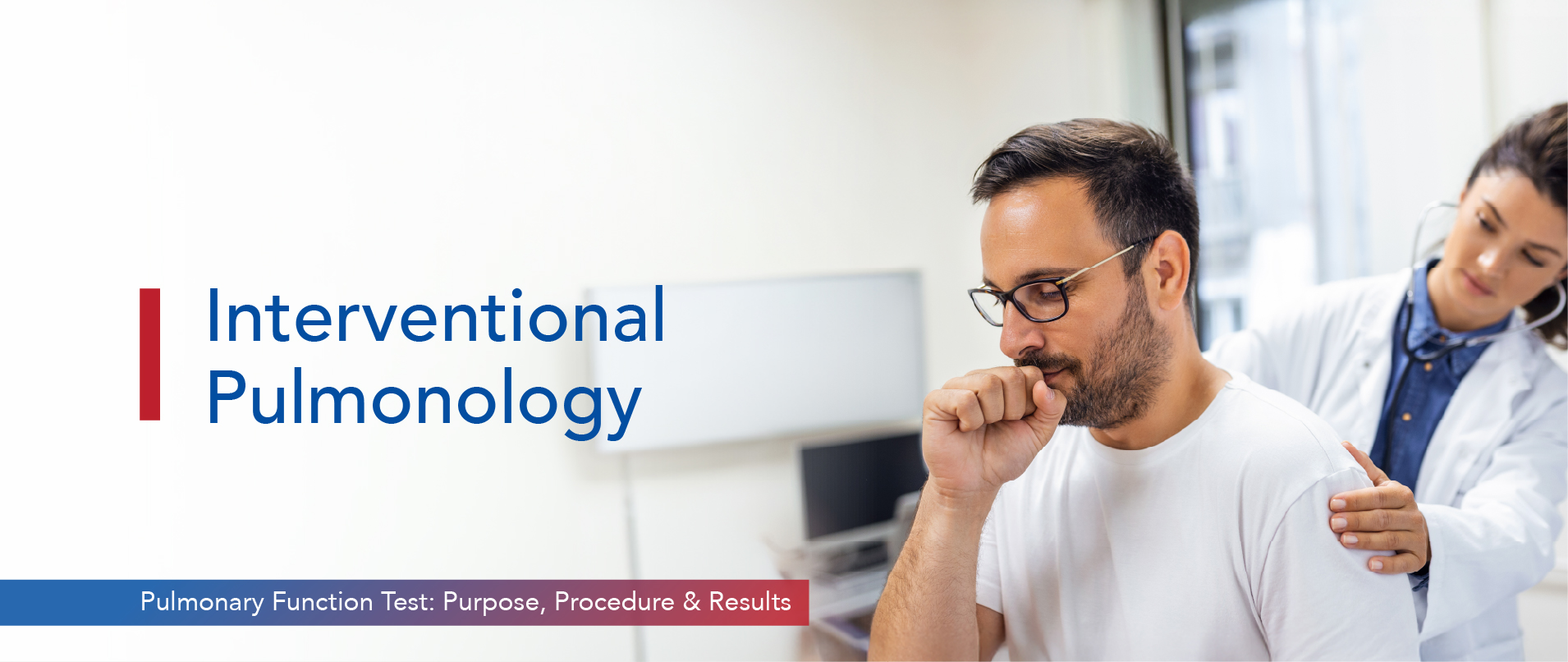
Breathing may seem effortless for most individuals, but certain conditions may silently impair lung function over time. The underlying dysfunctions may reduce oxygen delivery without producing immediate symptoms. Lung assessments are used to detect such impairments before clinical deterioration becomes apparent.
Pulmonary function testing is one such method. It is based on measuring airflow, volume and gas transfer across the respiratory membrane. These values offer objective evidence of respiratory efficiency. Clinical decisions about diagnosis, monitoring and treatment often depend on the results.
This blog explores the purpose of the pulmonary function test, the test stages, its clinical uses and the interpretation of results. The information provided is based on medically accepted testing methods.
A pulmonary function test is a diagnostic group of tests used to assess the efficiency of the lungs. These tests are non-invasive and follow a defined sequence of breathing activities. The tests help quantify how much air a person can inhale and exhale. They also calculate how well gases like oxygen are transferred into the bloodstream. The information allows doctors to determine if a person’s lung function falls within normal reference ranges.
The classification of abnormalities may suggest obstructive disease or restrictive deficits. Obstructive disorders limit airflow during exhalation. Restrictive patterns limit lung expansion. Understanding what a pulmonary function test is used for depends on identifying these functional patterns early.
Lung function cannot be assessed through a single method. Multiple procedures are combined to provide a complete view of pulmonary status. Each one measures a different physiological function.
This is the most frequently used pulmonary test. It measures the volume and speed of air movement during inhalation and exhalation. The test requires the patient to breathe deeply and then forcefully exhale into a tube. The data obtained help identify limitations in airflow which may suggest airway obstruction.
This procedure measures lung volumes. The test is conducted inside an airtight chamber where the person breathes through a special mouthpiece. Lung volumes that cannot be directly exhaled are calculated using pressure changes. Restrictive patterns may show reduced total lung capacity.
This test evaluates how well oxygen passes from air sacs into the blood. The patient inhales a trace amount of gas and the concentration is measured on exhalation. Low values may suggest alveolar membrane damage or reduced pulmonary blood flow.
Each method contributes different insights. The selection depends on the symptoms, history and referral reason. Collectively, these procedures are referred to as the pulmonary function test procedure.
When and Why Is PFT Performed
Pulmonary function testing is conducted for various clinical reasons. It may be part of routine examination, pre-operative screening or disease surveillance. Understanding why the pulmonary function test is done helps patients appreciate its diagnostic value.
When patients report persistent cough, wheezing, or difficulty in breathing, a pulmonary function test is often used. The findings help determine if these symptoms relate to airway narrowing or reduced lung expansion.
Individuals diagnosed with asthma, bronchitis, or emphysema undergo periodic testing. The results assist physicians in determining disease progression or response to treatment.
People exposed to chemical fumes, dust or toxic air pollutants at work are regularly monitored. Pulmonary function testing allows early identification of occupational lung damage.
Before major procedures, especially those involving the lungs or upper abdomen, this test may be used to assess anaesthesia risk. Poor lung performance may increase the chance of post-operative complications.
Certain medications may affect lung function. Testing ensures that therapeutic regimens are not causing respiratory decline.
This test is clinically appropriate in any context where functional lung assessment is required.
A pulmonary function test follows a structured sequence of activities. The process is standardised to ensure reproducibility and accuracy. While specific stages may vary, most tests follow these phases.
Before testing, the individual is asked to avoid exercise, caffeine and smoking. Some medications may be temporarily paused with medical advice. Clothing should allow free chest movement.
The technician records physical parameters such as age, height, sex and weight. These values are required to calculate expected results. Reference ranges differ depending on demographic factors.
The patient performs guided breathing manoeuvres. In spirometry, this includes full inhalation followed by forceful exhalation. In plethysmography, resistance breathing is required. For diffusion testing, a trace gas is inhaled.
To improve test accuracy, each step is performed multiple times. The best value among repeated efforts is recorded. Coaching is provided throughout the session.
During the procedure, the technician watches for signs of fatigue, dizziness or distress. The patient may take brief rests between stages if needed.
Once the test concludes, the patient may resume normal activities. Results are sent to the ordering physician for interpretation.
Understanding how to pass a pulmonary function test involves following instructions closely and performing the test with maximum effort. It is not a test of ability but of reproducibility.
Many people undergoing testing are unsure about what to expect during pulmonary function test sessions. Although the process may seem technical, the procedures are straightforward and safe.
The test is usually performed in a respiratory diagnostics lab. Equipment includes a spirometer, plethysmography chamber and gas analysers. The room is designed for patient comfort and technician observation.
A full testing session typically lasts between twenty and forty-five minutes. The length depends on the number of tests prescribed.
The test is non-invasive and does not involve needles or imaging. The most common side effects are mild breathlessness or light-headedness from repeated deep breathing. These resolve quickly.
Clear instructions are provided throughout the session. The technician explains each task and offers support if discomfort arises. Patients are encouraged to ask questions before and after testing.
Test outcomes are compared with predicted values. The physician receives the report and explains any abnormalities at the next visit.
The process is considered low-risk. The information gathered may assist in early detection or ongoing disease management.
Lung function may decline gradually without producing early symptoms. Individuals who experience persistent breathlessness, chronic cough or recurrent chest infections should consider respiratory evaluation. When symptoms remain unresolved despite general treatment, the underlying cause may involve pulmonary dysfunction. In such cases, consultation with a qualified pulmonologist is recommended.
Patients with occupational exposure or chronic conditions should undergo routine testing. Prompt intervention may reduce the risk of long-term complications. Accessing services at a recognised respiratory centre or consulting the best pulmonologist in Bangalore is advisable for a detailed assessment. Timely testing may support early diagnosis, improve treatment outcomes and limit disease progression.
Pulmonary function tests are critical components of respiratory diagnostics. These structured tests provide measurable data on lung volume, airflow and gas transfer. The procedures are safe, standardised and applicable across all age groups.
Be it for symptom investigation, disease surveillance or surgical preparation, the pulmonary function test provides essential clinical evidence. Physicians use the data to classify the severity and pattern of dysfunction. This enables targeted treatment and reliable follow-up.
Understanding what a pulmonary function test is, how it is conducted and what results mean, helps patients participate in their care. These tests also support public health by enabling early detection and prevention strategies.
Pulmonary testing is now integrated into respiratory care pathways. With rising global awareness of lung health, access to diagnostic services continues to expand. Regular testing may improve respiratory quality of life and prevent complications associated with undiagnosed disease.
There is no concept of failure. The test reveals how your lung function compares to predicted values. Abnormal results may require further evaluation or medical management.
Risks are rare and usually mild. Some patients may feel dizzy or short of breath temporarily. Severe complications are uncommon and monitored during testing.
No. The test is non-invasive and does not cause pain. Some people may feel light-headed during deep breathing but this resolves quickly.
The test usually takes between fifteen and forty-five minutes. The exact time depends on the number of test types performed and patient response.
It is best to avoid heavy meals before the test. Light food is usually allowed. Follow any specific instructions given by the medical provider before testing.
3 Mins Read
Categories: Pulmonology




Pulmonary Function Test: Purpose, Procedure and Results is available for appointments. Please fill the below form to book an appointment.
Unlock the door to exceptional healthcare, book an appointment with SPARSH Hospital and let your journey to wellness begin.
Copyright © 2026 SPARSH Hospital, A Unit of Shiva & Shiva Orthopaedic Hospital Pvt Ltd.