Published in : Oncology | February 19, 2026 |
 Medically Reviewed

Cancer treatment has seen major breakthroughs across the last few decades. Yet surgery remains one of the most critical components in treatment planning. While other methods [such as chemotherapy, radiation and targeted therapies] continue to evolve, the role of surgery in cancer treatment has not diminished.
Instead, it has become more precise, timed and strategically integrated into broader care plans. Many patients still have questions such as when is surgery needed for cancer or how surgery supports other cancer treatment options. This blog will help answer those concerns by presenting clear information based on current clinical practices.
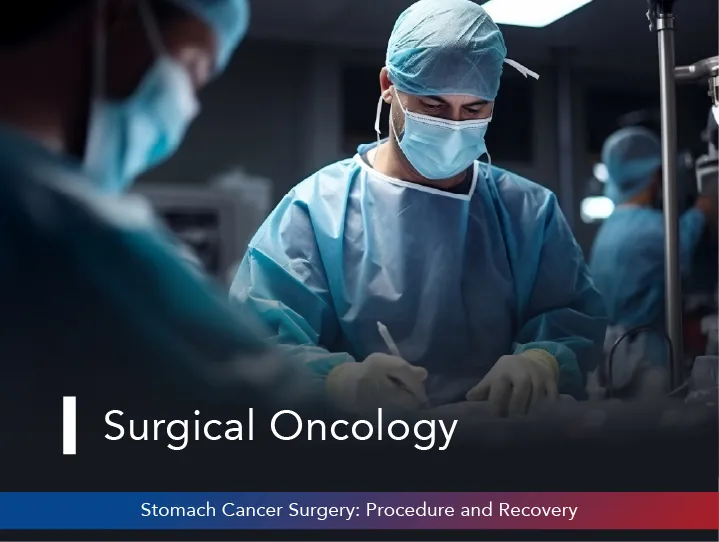
Surgery plays an essential role in both the diagnosis and treatment of cancer. In modern cancer care treatments, surgical removal of the tumour often remains the most direct method of eliminating cancer from the body. For many localised solid tumours, surgery provides the highest chance of long-term disease control.
It also enables accurate staging, where tissue samples help doctors understand how far cancer has progressed. Even when complete removal is not possible, surgery may still reduce tumour size or alleviate symptoms that interfere with daily function. As part of a multi-modal strategy, surgery is often the first or most important step in the treatment plan.
Oncologists evaluate several factors before recommending surgery. Decisions are based on various factors [revolving around cancer type, location, size, spread and the patient’s overall health]. When cancer is detected early and confined to a specific site, surgery may be the most effective option. Some reasons why surgery may be preferred include:
Surgical methods are chosen based on tumour location, stage, and goal of treatment. Modern cancer care treatments rely on different types of surgical approaches to achieve varied results. Some of the most common types include:
Each method brings specific benefits depending on the clinical scenario. The best oncologist in Bangalore or anywhere globally may advise combining surgery with other cancer treatment options for maximum benefit.
Despite its many benefits, cancer surgery carries physical and emotional challenges. Not all patients experience severe complications, but being informed helps patients prepare and recover better. Common side effects include:
Awareness of these effects allows timely medical advice and emotional support. Consulting the best cancer hospital in Bangalore or other leading centres may help reduce risks by ensuring advanced care and planning.
The role of surgery in cancer treatment remains central across all stages of care. From diagnosis and staging to cure and palliation, surgery serves multiple purposes in modern cancer care treatments. While each patient’s situation is different, understanding when surgery is needed for cancer and what to expect from the process can help individuals and families make informed decisions.
Recovery may take time, but with the right support and planning, surgery often offers patients their best chance at long-term control or comfort. The decision to opt for surgery must always follow discussion with a qualified oncologist who understands the full picture and goals of treatment.
No, surgery is only one part of cancer treatment. It may be combined with radiation, chemotherapy, immunotherapy or targeted therapy depending on the type and stage of cancer.
Treatment includes surgery, radiation therapy, chemotherapy, immunotherapy and targeted drugs. Surgical types include curative, debulking, palliative, reconstructive, preventive and minimally invasive methods.
Not all surgeries are invasive. Minimally invasive approaches such as laparoscopic or robotic procedures involve smaller incisions and faster recovery. The choice depends on tumour location and size.
Globally, the most common cancers include breast cancer, lung cancer, colorectal cancer, prostate cancer and stomach cancer. These types vary in frequency based on age, sex and location.
3 Mins Read
Categories: Oncology






Role Of Surgery In Modern Cancer Care: What Patients Should Know is available for appointments. Please fill the below form to book an appointment.
Unlock the door to exceptional healthcare, book an appointment with SPARSH Hospital and let your journey to wellness begin.
Copyright © 2026 SPARSH Hospital, A Unit of Shiva & Shiva Orthopaedic Hospital Pvt Ltd.