Published in : Oncology | February 25, 2026 |
 Medically Reviewed
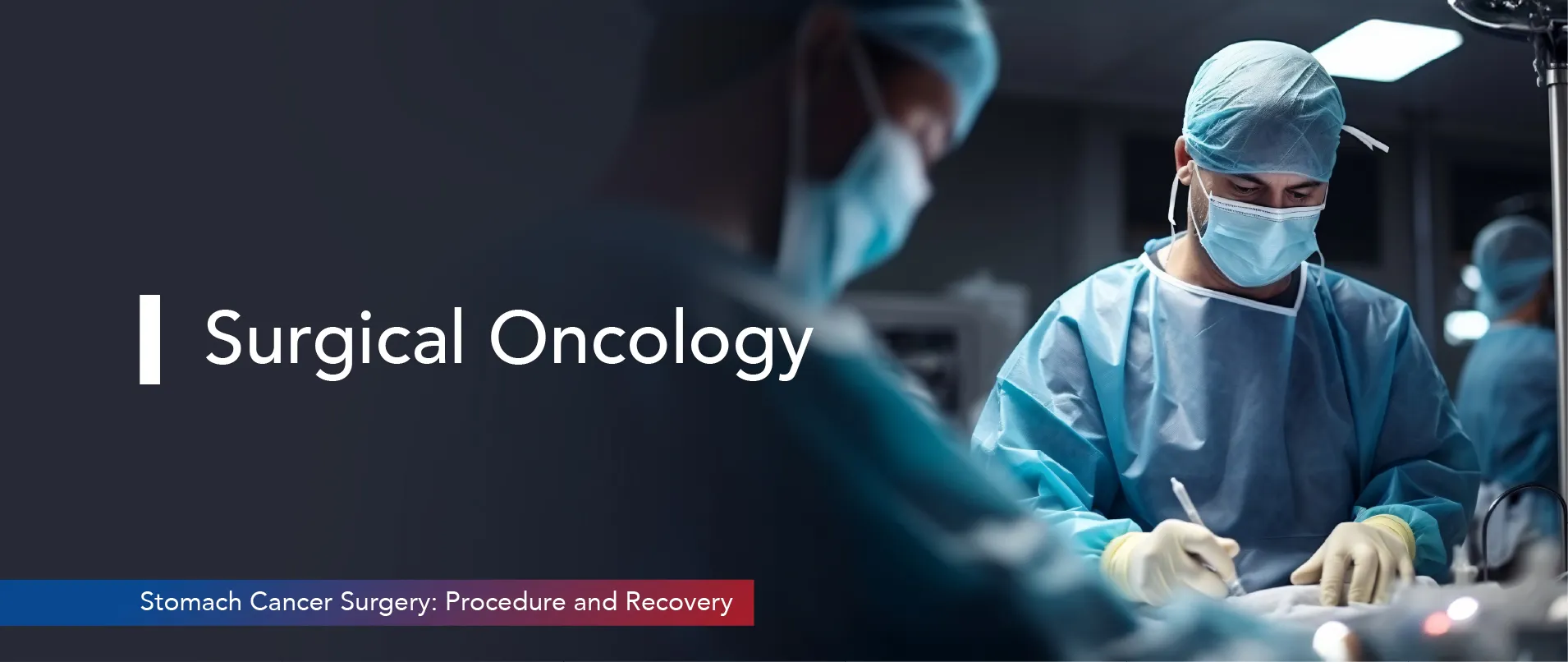
How do I recover from it and do I need surgery? This is the first question asked by individuals affected by stomach cancer. This is quite common, especially if the cancer symptoms are detected at an early stage. With a surgery, removing a certain part or all of the stomach can help subside the condition.
In this blog, we will uncover the fundamentals of stomach cancer surgery, including how it works, why it is done and what recovery actually looks like. With clear knowledge and proper care, many patients go on to adapt well and regain a good quality of life.
Not every case of stomach cancer needs the same kind of surgery. In some cases, a portion of the stomach is removed. In others, the entire stomach is surgically removed. This is the basic difference between partial gastrectomy and total gastrectomy.
In a partial gastrectomy, doctors remove the affected part of your stomach. This may be recommended when the tumour has progressed beyond the gastric wall.
In a total gastrectomy, the entire stomach is surgically removed. The oesophagus is then connected directly to the small intestine. This might sound difficult to adjust to, but the body does adapt. Actively managing your nutrition by eating smaller meals at regular intervals helps maintain energy levels and support digestion during recovery..
The surgery may be performed either through an open procedure or by using laparoscopic methods, depending entirely on the condition of the patient. Regardless of the technique, the objective remains to remove only what is required and preserve the parts that are still healthy.
Gastrectomy surgery is not recommended in all cases. A team of specialists will look at your medical history, reports and overall health before suggesting gastrectomy. It is usually considered in the following situations:
Once the decision is made, the doctor will explain which type of surgery is suitable and what changes you can expect after the operation.
The surgery is performed under general anaesthesia. During the procedure, the surgeon opens the abdomen and removes the necessary part of the stomach. Your doctor may also [depending on the surgery type] remove surrounding lymph nodes to check if the cancer has spread.
Once the removal is complete, the remaining sections of the digestive system are carefully reconnected. In a partial gastrectomy, the remaining stomach is connected to the small intestine. In a total gastrectomy, the oesophagus is joined directly to the small intestine.
This re-routing ensures that food can still move through the digestive tract, even though the stomach’s structure has changed. After surgery, the patient is closely monitored and given support to help the body adjust to this new arrangement.
Recovery from stomach cancer surgery is a gradual process! Post-surgery, patients are first moved to a recovery area or high-dependency unit where vital signs are carefully monitored. Depending on how the body responds, most people stay in the hospital for three to ten days.
During this time, pain is managed with medication. Tubes may be placed for fluids or feeding, but these are slowly removed as the body regains strength. Light activity is encouraged as early as the day after surgery. This can include walking a few steps, breathing exercises, and wearing compression stockings [to avoid blood clots].
One of the biggest changes after a gastrectomy is practising nutrition management and consciously monitoring portion control. You start with liquids, then move to soft foods, and eventually return to solids in small portions. A dietitian usually guides this transition so that your body gets all the nutrients it needs.
Over the next few months, the body gradually adjusts to eating smaller, more frequent meals. Full recovery from stomach cancer surgery varies from patient to patient. During the recovery phase, regular follow-ups are important to check on healing, digestion and nutrition.
Doctors like Dr. Nagabhushan J. S, who has trained across India, the UK and the US, often lead recovery for these patients. With experience [in both traditional and advanced procedures], specialists like him help you manage changes, adjust your meals, and track your healing. If you’re looking for post-surgical guidance, a Surgical Gastroenterology Hospital in Bangalore can offer structured recovery plans.
Stomach cancer surgery demands long-term changes in digestion, eating habits, and nutritional needs. But with the right information, clear guidance and ongoing support, most people manage the transition well. Understanding the types of surgery, preparing for the changes and working closely with medical professionals makes a big difference.
Individuals going through the stomach cancer surgery journey must understand that complete recovery can only be attained with patience. Each day brings small changes that gradually make the process easier. Simple adjustments in eating habits, daily routine and regular follow-ups often lead to noticeable improvements in health and comfort.
Yes. You may need to change how and when you eat, but most people return to regular life after recovery. The body adjusts well over time.
If the cancer is caught early and treated properly, recovery is very possible. Surgery helps remove the disease and prevent it from spreading.
The treatment entirely depends on the patient. But for many, surgery is the most effective way to surgically remove the cancer and improve long-term outcomes.
3 Mins Read
Categories: Oncology




Stomach Cancer Surgery: Procedure and Recovery is available for appointments. Please fill the below form to book an appointment.
Unlock the door to exceptional healthcare, book an appointment with SPARSH Hospital and let your journey to wellness begin.
Copyright © 2026 SPARSH Hospital, A Unit of Shiva & Shiva Orthopaedic Hospital Pvt Ltd.