Published in : ENT | March 9, 2026 |
 Medically Reviewed
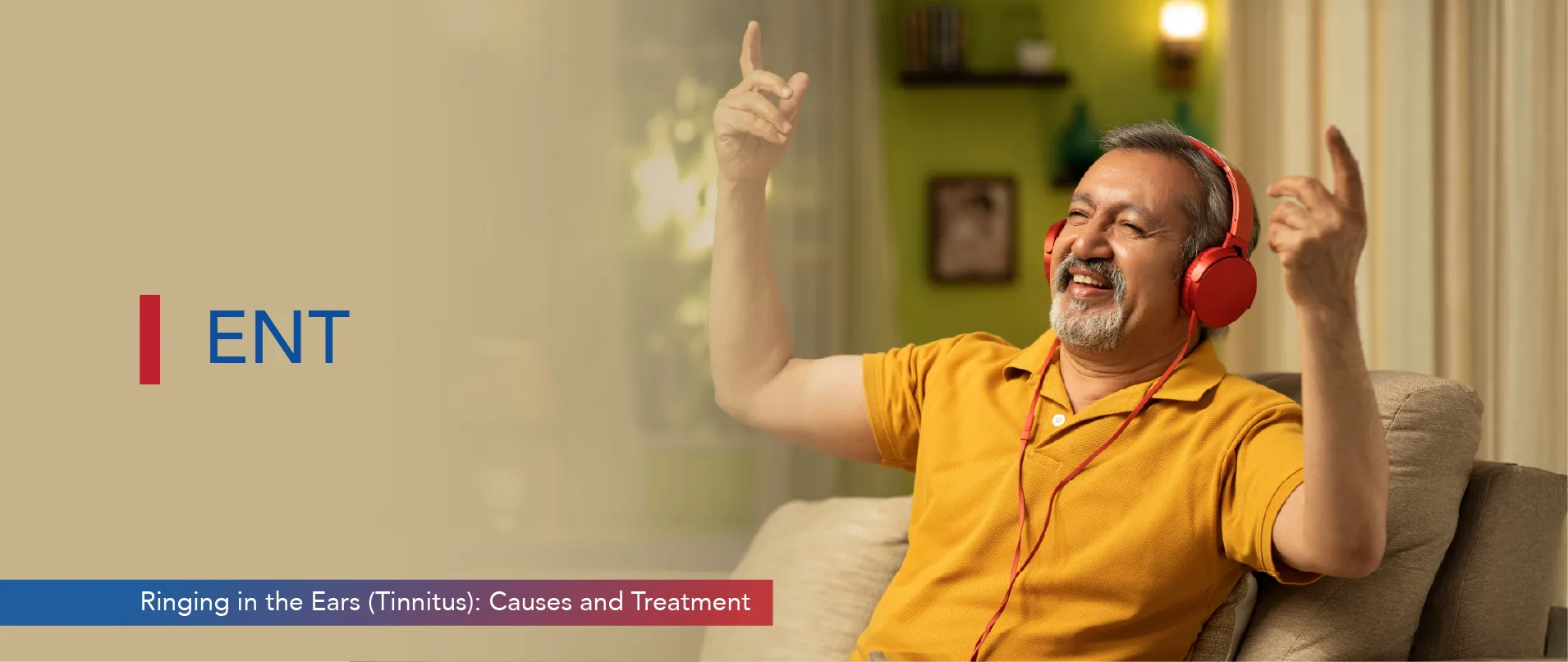
Do you hear ringing, buzzing, or hissing sounds even when everything around you is quiet?
This experience, known as tinnitus, affects many people and can range from mildly annoying to deeply disruptive. It occurs when the brain perceives sound without any external source, often due to changes in the hearing system.
While tinnitus is not a disease on its own, it can interfere with concentration, sleep, and emotional well-being. Understanding why tinnitus occurs and what treatment options are available can help people manage symptoms more confidently and improve daily comfort.
Tinnitus is not a disease but a symptom of a problem in the hearing system. The hearing system includes the outer, middle, and inner ear, the auditory nerve, and parts of the brain that process sound. When there is a disruption in any part of this system, the brain may produce phantom sounds in response.
The perception of sound may vary. In most cases, tinnitus is subjective, meaning only the person affected can hear the sound. This is the most common form. A rare form, known as objective tinnitus, involves actual physical sound from inside the body that may be heard by a doctor during an examination.
Tinnitus may be short-term or chronic. If the sound persists for more than three months, it is classified as chronic tinnitus. Although not life-threatening, the condition may affect focus, rest, and emotional well-being. Knowing the types of tinnitus and when to seek medical advice can support effective management.
There are many recognised tinnitus causes, and the condition may be linked to a variety of medical and lifestyle factors. In some individuals, the cause remains unclear. In others, the condition results from specific damage or disruption in the auditory pathway.
Long-term exposure to loud noises in workplaces, concerts, or through personal devices may damage inner ear structures. These changes often lead to both hearing loss and tinnitus.
As people grow older, natural wear on hearing structures may trigger high-pitched ringing. This form of tinnitus is frequently associated with reduced sound clarity.
Accumulated wax may irritate or block the ear canal, causing distorted hearing and internal sound sensations. Once the blockage is removed, symptoms may improve or resolve.
Temporary causes such as infection or fluid in the middle ear may affect sound conduction. Once treated, these symptoms usually resolve.
Some medications may interfere with inner ear function. This side effect may stop once the medicine is discontinued, but in some cases, the changes may remain.
Injuries involving the head or nearby muscles may impact nerves and auditory structures, resulting in tinnitus symptoms.
Rarely, tinnitus may result from blood vessel disorders or tumours affecting the auditory nerves. In such cases, the sound may pulse with the heartbeat.
Understanding the reasons for tinnitus supports early intervention and helps inform management approaches.
Tinnitus symptoms vary widely. People may describe the noise as continuous, intermittent, loud, or soft. The perception may shift throughout the day or become more noticeable in quiet settings. While the condition does not cause hearing loss directly, it may interfere with how sounds are processed.
A high-pitched tone or buzzing sensation is common. The sound may remain stable or change during stress, fatigue, or silence.
Some people report rhythmic clicks or pulsing sounds. These forms may be linked to muscle movements or blood flow.
Low-frequency tinnitus may feel like wind or ocean waves. This may appear during illness or congestion.
In chronic cases, the sound may interfere with attention, focus, and sleep. Emotional distress may build if support is not provided.
These signs may occur alongside or separate from hearing issues. Consulting an ENT specialist in Bangalore may help rule out secondary causes and guide tinnitus therapy.
A detailed evaluation is needed to understand and confirm the tinnitus diagnosis. The process often starts with a clinical history to discuss onset, frequency and potential triggers. A physical examination for contributing factors includes the ears, head, neck, and jaw.
An audiologist performs hearing tests to assess the threshold for hearing and the clarity of speech. This helps identify associated hearing loss and management plans.
In some selected cases, scanning (MRI or CT) may be undertaken to investigate structural changes, nerve compression or fluid problems.
If symptoms are complex or progressive, referral to specialists may be required to evaluate nerve involvement or muscular triggers.
Patients may be asked to match the sound they hear to external tones. Questionnaires may also be used to determine the impact on the quality of life.
Early tinnitus diagnosis facilitates long-term care, especially if the condition continues or worsens over time.
There is no single cure for tinnitus, but several approaches can help reduce its impact. Treatment depends on the cause and patient preferences. In some cases, treating the cause may completely eliminate the symptom.
Audiologists may also provide tinnitus management support, including sound therapy and counselling techniques that help reduce awareness of internal noise and improve coping over time. This approach focuses on helping the brain become less sensitive to the sound.
Devices like sound generators or hearing aids may help to mask the phantom noise. These tools encourage habituation and may help with focus or relaxation.
Counselling techniques may help to reduce anxiety and change thought patterns. This contributes to emotional adjustment and quality of life.
A combination of education and low-level sound exposure may help the brain to adjust and become less reactive to the sound internally.
Sleep hygiene, stress management, and avoiding exposure to loud noises may be helpful in reducing flare-ups and keeping you comfortable.
A quiet environment may increase the perception of tinnitus. Using fans, soft music or nature sounds may help to mask the internal tone.
If tinnitus is caused by an ear infection, wax or jaw disorder, correcting the cause may eliminate the sound altogether.
Individuals may benefit from evaluation at the best ENT hospital in Bangalore, where structured tinnitus treatment plans are available.
Living with tinnitus can be frustrating particularly when the sound can be persistent or otherwise hard to ignore. Nevertheless, there are a variety of treatment and coping mechanisms that can be used to curtail its effect on day to day activities. Early intervention coupled with good therapy, counselling and appropriate medical attention where necessary can make a difference. Timely support is important to help people to become more familiar with their symptoms and feel confident about coping with them again.
There is no single confirmed cure for tinnitus. However, many people find relief through sound therapy, counselling, or managing the underlying cause. Long-term strategies often reduce discomfort and improve adjustment.
Tinnitus does not cause hearing loss, but it may accompany conditions that reduce hearing ability. A hearing assessment helps determine if both are present and supports appropriate treatment.
Tinnitus duration depends on the cause. Temporary cases may resolve quickly, while chronic forms may last longer. Supportive care may reduce awareness and help maintain function.
Diet does not directly cause tinnitus, but certain foods or drinks may affect how noticeable the sound feels. Tracking food habits may help identify triggers and support comfort.
3 Mins Read
Categories: ENT

















Ringing in the Ears (Tinnitus): Causes and Treatment is available for appointments. Please fill the below form to book an appointment.
Unlock the door to exceptional healthcare, book an appointment with SPARSH Hospital and let your journey to wellness begin.
Copyright © 2026 SPARSH Hospital, A Unit of Shiva & Shiva Orthopaedic Hospital Pvt Ltd.