Published in : Robotic Surgery | March 9, 2026 |
 Medically Reviewed
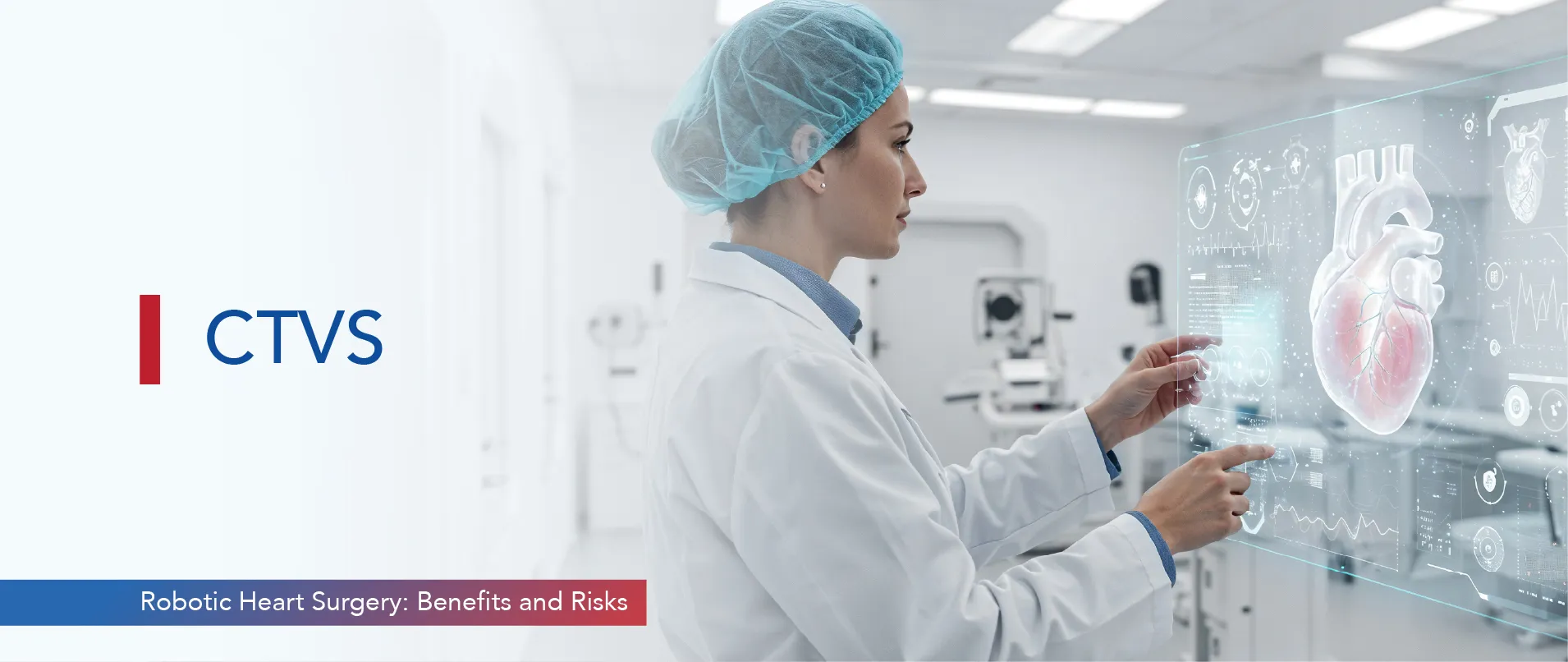
Can heart surgery really be performed without opening the chest, and is it safe?
Robotic heart surgery represents a significant shift in how certain cardiac procedures are performed today. Using advanced computer-assisted technology, surgeons can perform surgery through small incisions rather than traditional open approaches. This evolution has sparked both interest and careful scrutiny, as patients and clinicians weigh the promise of faster recovery against the complexity of new technology.
While robotic-assisted bypass and valve procedures offer a minimally invasive option for selected patients, their role in long-term cardiac care remains evolving. Understanding how robotic heart surgery works, along with its potential benefits and limitations, is essential for making informed treatment decisions.
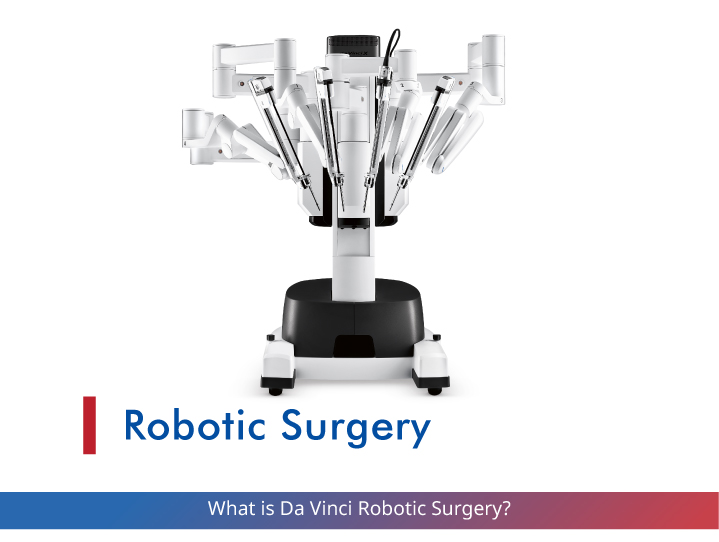
Robotic heart surgery uses computer-aided instruments that enable surgeons to perform operations through small incisions. Unlike traditional open surgery, which requires cutting through the breastbone, robotic systems allow access through small port incisions on the side of the chest. The instruments are controlled from a separate console, where the surgeon uses hand controls to manipulate robotic arms in real time.
The system is equipped with a high-definition camera that provides three-dimensional visualisation of cardiac structures. This enhanced view enables high precision, including movements that are difficult to achieve with conventional manual techniques. In robotic coronary bypass surgery, the most commonly used graft is the left internal mammary artery. This artery is carefully dissected using robotic instruments and then connected to the blocked coronary artery to restore blood flow.
The robotic platform allows surgeons to work within confined spaces without the need for large surgical openings. This approach may reduce the degree of physical trauma associated with traditional surgical methods. While anaesthesia, patient positioning, and postoperative monitoring follow standard clinical protocols, the surgical technique differs with respect to access and tissue handling.
Robotic heart surgery is most commonly used for mitral valve repair and selected coronary artery bypass procedures. The decision to use a robotic approach depends on factors such as coronary anatomy, institutional resources, and the surgeon’s experience with robotic systems.
Heart surgery has traditionally required large incisions and extended recovery periods. Robotic heart surgery represents a shift in this approach, combining surgical precision with smaller incisions to reduce tissue trauma, visible scarring, and post-operative discomfort for selected patients.
One of the most consistently reported benefits across multiple studies is reduced visible scarring. Unlike open-heart surgery, which typically leaves a midline chest scar, robotic procedures are performed through several small port incisions placed between the ribs. These access points are less noticeable and may appeal to individuals who wish to minimise visible surgical marks.
Robotic instruments also offer enhanced dexterity. Unlike the fixed angles of conventional laparoscopic tools, robotic instruments replicate the range of motion of the human wrist and provide six degrees of freedom. This capability allows for finer, more controlled movements within the heart’s confined and delicate structures.
Recovery timelines may also be shorter, depending on the patient’s overall health and the type of procedure. Individuals undergoing robotic heart surgery may experience reduced hospital stays and a quicker return to daily activities compared with those undergoing open-heart surgery. Post-operative complications such as bleeding, infection, or prolonged pain may occur less frequently, although outcomes vary between patients.
Some clinical evidence suggests that in robotic coronary bypass procedures, complications such as atrial fibrillation or fluid accumulation around the lungs may be less common. In addition, greater precision in graft placement and vessel handling may support improved long-term graft function, although this remains an area of ongoing research.
Robotic heart surgery offers several advantages; however, it also presents specific challenges that must be carefully considered. These factors are important when evaluating the safety and suitability of a robotic approach for complex cardiac conditions.
One consideration is the duration of the procedure. Robotic surgeries may take longer, particularly during the early learning phase of a surgical team. The need for precise port placement, system calibration, and console setup can increase the duration of anaesthesia.
Robotic systems rely on multiple interconnected technologies. In the event of technical malfunction or unexpected delays, conversion to open surgery may be required. For this reason, robotic procedures are undertaken only after strict clinical criteria are met and with full preparedness for open conversion if necessary. Although uncommon, such transitions must be planned in advance and carried out promptly to ensure patient safety.
Another challenge is the learning curve associated with robotic cardiac surgery. These procedures require specialised training and regular case volumes to maintain efficiency and safety. As a result, robotic options may not be available at all centres.
Cost is also a consideration. Robotic systems involve significant investment in equipment, maintenance, and training. Hospitals must assess whether the potential benefits justify these costs within their clinical and operational framework.
As with any cardiac surgery, risks such as bleeding, infection, or heart rhythm disturbances may still occur. Careful preoperative assessment remains essential, and not all patients are suitable candidates for robotic surgery, particularly those with complex coronary anatomy or a history of extensive prior cardiac procedures.
Whether robotic cardiac surgery will become the gold standard or remain a specialised technique depends on broader clinical adoption, data support, and economic feasibility. Early results show that robotic approaches are feasible and safe in experienced hands, but long-term data comparing outcomes against conventional surgery are still being collected.
While robotic systems offer technical advantages, they are not ideal for all cardiac procedures. For many patients, conventional open surgery remains an effective and reliable option, particularly when anatomical complexity or clinical urgency requires direct access. The goal is not to replace traditional surgery, but to offer an alternative approach when appropriate.
Adopting the surgery also depends on how surgical teams integrate robotics into daily practice. Consistent training, case volume, and institutional readiness shape whether the technology becomes routine. The role of the best cardiologist in Bangalore, or any location, is not only to perform procedures but also to guide patients through the decision-making process with balanced information.
In some centres, particularly those affiliated with advanced cardiac units, robotic techniques may become preferred for certain procedures. Whether this expands more widely depends on outcomes, availability, and the extent to which it supports patient-centred care.
Robotic heart surgery represents a meaningful advancement in cardiac care, offering selected patients the potential benefits of greater precision, smaller incisions, and structured recovery pathways. When performed in appropriately equipped centres by experienced surgical teams, robotic approaches can deliver outcomes comparable to conventional surgery for specific cardiac procedures.
However, its role is not universal. Careful patient selection, surgeon expertise, and institutional readiness remain central to safe and effective use. Conventional open-heart surgery continues to be the standard of care for many complex or urgent cardiac conditions.
As clinical evidence continues to evolve, robotic cardiac surgery should be regarded as a complementary option rather than a replacement. Informed decision-making guided by clinical data, anatomical considerations, and individual patient needs remains the cornerstone of modern cardiac surgery.
Robotic bypass surgery is a major cardiac procedure performed with robotic assistance through small incisions. Although it may reduce surgical trauma and support faster recovery, it still involves general anaesthesia, manipulation of the heart, and close post-operative monitoring, similar to conventional bypass surgery.
Neither approach is universally better. Open surgery provides direct access and is often preferred for complex or urgent cases. Robotic surgery offers a less invasive alternative with potentially shorter recovery time. The most suitable option depends on the patient’s anatomy, clinical condition, and the surgeon’s evaluation.
Surgeons may choose robotic surgery for the enhanced visualisation, precision, and range of motion it provides. These features enable controlled movement in confined spaces and are particularly beneficial during valve repairs or bypass procedures when patient anatomy is favourable.
3 Mins Read
Categories: Robotic Surgery





Robotic Heart Surgery: Benefits and Risks is available for appointments. Please fill the below form to book an appointment.
Unlock the door to exceptional healthcare, book an appointment with SPARSH Hospital and let your journey to wellness begin.
Copyright © 2026 SPARSH Hospital, A Unit of Shiva & Shiva Orthopaedic Hospital Pvt Ltd.