Published in : Critical Care And Emergency Medicine | December 5, 2025 |
 Medically Reviewed
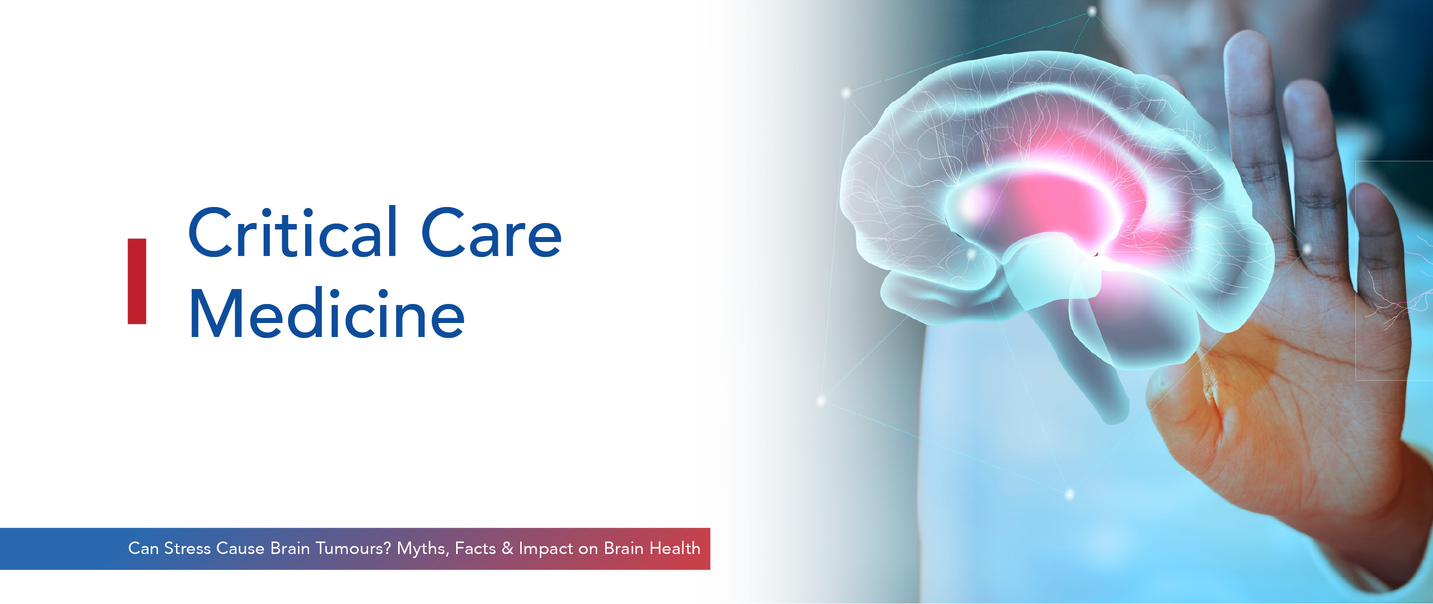
Stress has become an inevitable part of modern life. While occasional stress can motivate and enhance performance, chronic stress can significantly affect overall well-being. One of the most frequently asked questions in neurology and mental health is: Can stress cause brain tumours? Although stress has a profound impact on brain function, there’s no scientific evidence to suggest that stress directly causes brain tumours. However, its neurological effects can worsen existing conditions, increase inflammation, and affect mental health.
Understanding the link between stress and brain health is essential for prevention, early detection, and maintaining long-term neurological wellness.
A brain tumour is an abnormal growth of cells within the brain or central nervous system. These tumours can be benign (non-cancerous) or malignant (cancerous). The seriousness of a brain tumour depends on its size, type, and location. Tumours can disrupt vital brain functions, leading to headaches, seizures, personality changes, and even motor dysfunction.
The primary causes of brain tumours are still being studied, but certain risk factors are known, such as:
While stress itself does not directly cause brain tumours, chronic stress weakens the immune system and can indirectly influence how the body responds to diseases.
The direct answer is no, stress does not cause brain tumours. Brain tumours occur when specific genetic mutations cause abnormal cell growth in the brain. However, chronic stress can create a biological environment that affects brain health negatively.
When you experience ongoing stress, your body produces cortisol and adrenaline, the “stress hormones.” Prolonged elevation of these hormones can:
These effects do not cause brain tumours, but they can make the brain more vulnerable to other neurological issues such as Brain Stroke, Anxiety, and Depression. Thus, understanding the stress and brain tumour connection helps manage risk factors and maintain better brain health.
Stress has profound neurological effects that can alter how the brain functions. Over time, it can lead to both mental and physical symptoms.
Chronic stress can damage neurons in the hippocampus, a region associated with memory and learning. This can lead to memory loss, reduced focus, and difficulty making decisions.
Continuous stress can increase the risk of Anxiety and Depression. High cortisol levels can interfere with neurotransmitters like serotonin and dopamine, worsening mood and emotional regulation.
Stress can trigger physical issues such as headaches, dizziness, or even mimic symptoms similar to a brain tumour — including blurred vision or fatigue. While these may not indicate cancer, they should not be ignored.
Long-term stress can elevate blood pressure, which is a major risk factor for Brain Stroke. By damaging blood vessels, stress indirectly impacts the brain’s vascular health.
There are several myths about brain tumours and stress that can lead to misinformation and unnecessary fear. Let’s address a few common ones:
Myth 1: Stress directly causes brain cancer.
Fact: There’s no scientific evidence linking stress as a direct cause of brain cancer.
Myth 2: All headaches are signs of brain tumours.
Fact: While brain tumours can cause persistent headaches, most headaches are due to tension, stress, or migraines.
Myth 3: Positive thinking can shrink tumours.
Fact: Optimism supports mental health but cannot replace medical treatment. It can, however, enhance recovery and resilience.
Myth 4: Only adults develop brain tumours.
Fact: Brain tumours can affect anyone, including children, though types and causes may vary.
Recognising the signs of a brain tumour early can lead to timely diagnosis and treatment. Symptoms can differ depending on the tumour’s type and location, but common indicators include:
Persistent or severe headaches, often worse in the morning
If you experience these symptoms persistently, consult a neurologist or visit a Best Emergency Medicine Hospital in Bangalore like SPARSH Hospitals for immediate evaluation.
The effects of stress extend beyond mental strain. Chronic stress can contribute to long-term brain changes such as:
These changes can increase vulnerability to mental disorders, accelerate ageing, and affect recovery from neurological diseases. Seeking care from the Best Critical Care Medicine in Bangalore is crucial when neurological complications arise from prolonged stress or related conditions.
Managing stress is essential to maintaining strong neurological and emotional health. Here are some tips to manage stress for better brain health:
Beyond stress management, it’s vital to adopt long-term strategies for brain health:
You should consult a neurologist or emergency specialist if you experience:
Early medical attention can make a significant difference. SPARSH Hospitals, recognised among the Best Emergency Medicine Hospitals in Bangalore, provide 24×7 critical and neurological care with advanced diagnostic facilities.
While stress alone does not cause brain tumours, its prolonged impact on the brain and nervous system is undeniable. Chronic stress can lead to mental health issues like Anxiety and Depression, affect memory, and increase the risk of vascular events like Brain Stroke.
The key to maintaining good neurological health lies in understanding the effects of stress, debunking myths, and adopting healthy lifestyle practices. By managing stress effectively and seeking timely medical intervention from expert neurologists and the best critical care doctors in Bangalore, you can protect your brain health and overall well-being.
No, stress does not directly cause brain tumours. Brain tumours develop due to genetic mutations that trigger abnormal cell growth in the brain. However, chronic stress can weaken the immune system and negatively affect overall brain health.
There’s no scientific evidence that stress increases the risk of brain cancer. Prolonged stress may, however, contribute to inflammation and hormonal imbalances that affect brain function and overall well-being.
Common symptoms include persistent headaches, nausea, seizures, blurred vision, weakness in limbs, speech difficulties, and personality changes. If these symptoms persist, seek medical evaluation immediately.
Yes. Chronic stress can cause headaches, dizziness, blurred vision, and fatigue — symptoms that can sometimes resemble those of a brain tumour. A neurologist can help determine the actual cause through proper diagnosis.
Chronic stress releases cortisol and adrenaline, which can impair memory, reduce focus, increase anxiety, and disrupt sleep. Over time, it can affect brain structure and emotional stability.
Absolutely. Regular exercise, mindfulness, good sleep, and a balanced diet help regulate stress hormones and support brain function, reducing the risk of neurological issues.
You should see a neurologist if you experience persistent headaches, seizures, vision changes, speech difficulties, or mood disorders that interfere with daily life.
Some brain tumours have a genetic component, especially in families with inherited syndromes. However, most cases occur sporadically without a family history.
No. While managing stress and maintaining a positive mindset can improve recovery and emotional health, medical treatment is essential for brain tumour management.
Practice stress management techniques, stay mentally active, get adequate rest, eat a nutritious diet, and go for regular neurological check-ups to maintain optimal brain health.
3 Mins Read
Categories: Critical Care And Emergency Medicine









Can Stress Cause Brain Tumours? is available for appointments. Please fill the below form to book an appointment.
Unlock the door to exceptional healthcare, book an appointment with SPARSH Hospital and let your journey to wellness begin.
Copyright © 2026 SPARSH Hospital, A Unit of Shiva & Shiva Orthopaedic Hospital Pvt Ltd.