Published in : Cardiac Sciences | March 9, 2026 |
 Medically Reviewed
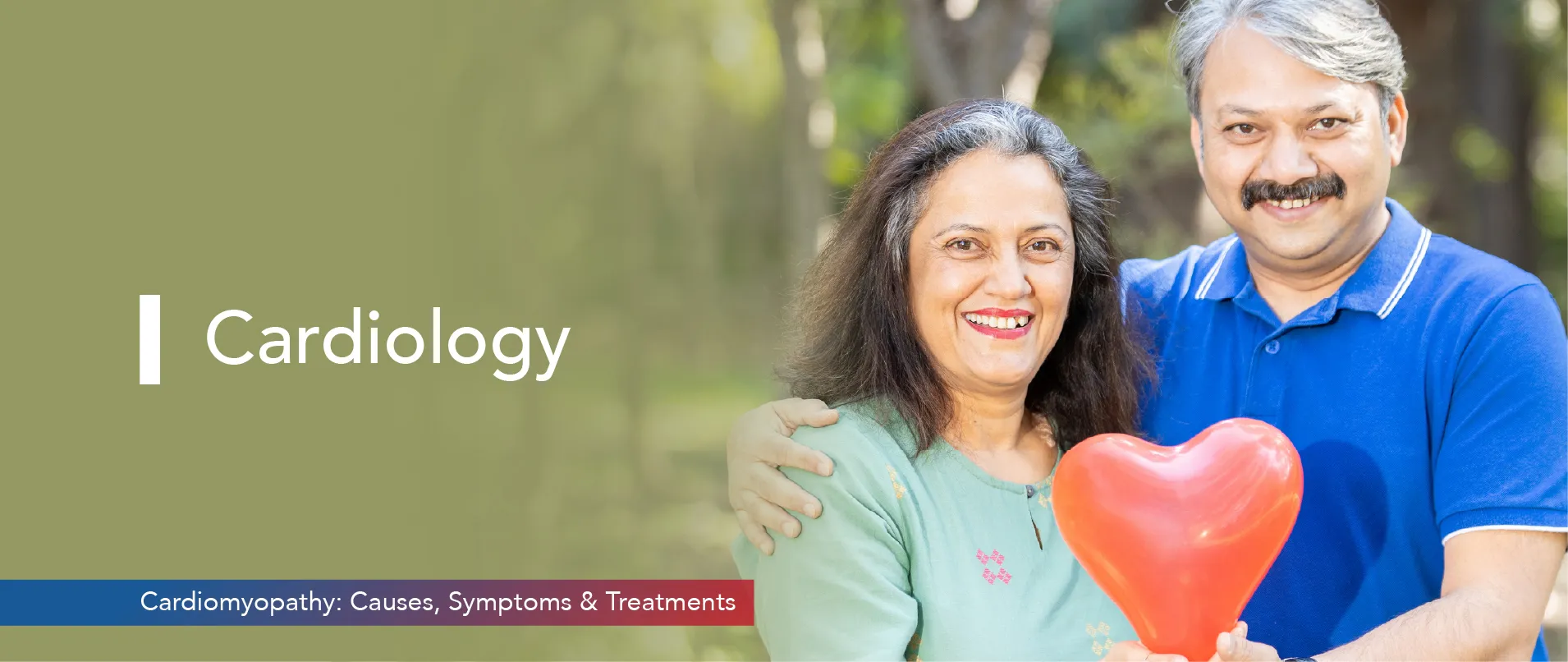
Suddenly feel tired or out of breath, and you do not know why? These may be at times the initial indications of the cardiomyopathy which is the disease of the heart muscle and its pumping capacity to circulate blood effectively. Although the symptoms can initially be mild or even absent, the condition can develop with time in case it is not detected. The timely assessment and frequent follow-up are a significant part of cardiomyopathy management and risk of complications mitigation.
To understand Cardiomyopathy, it helps to know how the heart muscle normally works. The heart muscle, or myocardium, enables the heart to contract and pump blood. In cardiomyopathy, the heart muscle (myocardium) may become thickened, stretched, or stiff. These changes can reduce the heart’s ability to contract effectively or fill with blood between beats.
Cardiomyopathy may be progressive or remain stable for years. It may affect people of any age, including children. Some individuals may never experience serious problems, while others may notice increasing breathlessness or swelling. Early diagnosis and regular follow-up can help manage symptoms and protect heart function over time.
Some forms are inherited, while others are acquired due to different underlying causes. A diagnosis usually involves medical imaging, blood tests, and assessment of symptoms.
There are several types of Cardiomyopathy, each affecting the heart muscle in different ways. The impact on pumping ability or electrical rhythm depends on the type and severity.
The heart’s ventricles enlarge and become weaker. The left ventricle is usually affected first. Over time, the pumping function drops. This is one of the most common forms and may be linked to genetic factors or medical conditions.
The heart muscle thickens, usually in the left ventricle. This makes it harder for the heart to fill with blood between beats. It is often inherited and may lead to rhythm disturbances. This type is often inherited and may increase the risk of irregular heart rhythms.
The heart muscle becomes stiff and less elastic. As a result, the ventricles cannot fill properly during diastole. It is less common and may be related to systemic diseases or unknown factors.
Normal heart muscle is replaced by scar or fatty tissue, especially in the right ventricle. This disrupts electrical signals and may lead to irregular heart rhythms.
This type occurs during the last stage of pregnancy or shortly after childbirth. It may cause the heart chambers to enlarge and weaken. Recovery may vary and needs careful postnatal care.
This rare type involves abnormal development of muscle layers in the left ventricle. It creates deep recesses that reduce effective blood flow. Some people remain stable, while others may require specialised evaluation.
Understanding cardiomyopathy types helps doctors plan investigations and guide treatment.
Cardiomyopathy causes vary depending on the condition type and individual background. Some cases are linked to inherited gene mutations, while others develop as a response to lifestyle or medical issues.
Genetic changes can affect how heart muscle proteins work, leading to muscle thickening, enlargement, or rhythm problems. This may cause muscle thickening, enlargement, or rhythm disturbances. Family screening may be advised when a parent or sibling is affected.
Conditions such as long-standing high blood pressure, endocrine disorders, or infections may trigger cardiomyopathy. Alcohol use, exposure to toxins, and prolonged stress may also play a role.
Peripartum cardiomyopathy occurs without clear underlying disease. It is associated with fluid changes, increased workload on the heart, and hormonal shifts during pregnancy. Not all cases recover fully.
Some people are born with heart structure differences that may worsen over time. These may include muscle weakness or chamber irregularities.
In some patients, cardiomyopathy may occur without an identifiable trigger. When several minor risk factors combine, it may lead to subtle changes that become noticeable later.
Risk increases with age, family history, substance exposure, or poorly managed systemic disease. Seeking care from a cardiomyopathy specialist in Bangalore may be useful for those at higher risk.
Cardiomyopathy symptoms vary based on type, stage, and individual tolerance. Some people remain asymptomatic in the early stages. Others may notice signs of cardiomyopathy after physical exertion or during daily activities.
Shortness of breath during activity or at rest may occur as the heart struggles to supply oxygen. This is often one of the first reasons people seek medical care.
Low energy levels may be linked to reduced pumping function or decreased oxygen delivery to muscles. This may affect normal tasks or exercise ability.
Some people may report pressure or heaviness in the chest. This may reflect altered blood flow or muscular stress rather than a blockage.
Fluid accumulation in the legs, feet, or abdomen may develop when heart output drops. This is often seen in more advanced cardiomyopathy.
Irregular or fast heartbeats may occur when electrical pathways are disrupted. In some cases, this may cause dizziness or fainting episodes.
In younger age groups, feeding difficulty, poor weight gain, or laboured breathing may suggest cardiac changes.
Recognising symptoms early can lead to quicker diagnosis and treatment. If symptoms persist, referral to the best cardiologist in Bangalore may be advised.
Treatment for cardiomyopathy focuses on improving function, relieving symptoms, and preventing complications. The approach depends on the underlying cause, disease stage, and patient goals.
Avoiding alcohol, managing stress, and maintaining a balanced diet may help stabilise symptoms. Activity levels are tailored according to heart function and tolerance.
Regular follow-up with imaging, ECG, and function tests supports timely adjustments in care. Those with higher risk may require more frequent checks.
Pacemakers or implantable cardioverter-defibrillators (ICDs) may help regulate rhythm and prevent serious complications. These devices are inserted into the body to treat certain rhythm disorders or severe heart muscle weakness.
Cardiomyopathy surgery may be advised in specific cases to remove thickened muscle, correct structural problems, or support heart function.
When conventional therapy is not effective, mechanical support devices or transplant evaluation may be considered. This usually involves multidisciplinary care planning.
Patients may also benefit from care at the best cardiology hospital in Bangalore where multidisciplinary support is available
Cardiomyopathy is a group of disorders that affect the heart muscle’s structure and function. It may develop silently or cause symptoms such as breathlessness, fatigue, or palpitations. The condition may arise from genetic, acquired, or unknown causes. Understanding the type and cause of cardiomyopathy helps guide appropriate treatment. Treatment options range from observation to surgical procedures and supportive care. Early evaluation and structured care help improve outcomes.
There is no single cure for cardiomyopathy, but treatment can help manage symptoms, improve heart function, and reduce complications.
Risk increases with a family history of heart disease, inherited mutations, alcohol use, high blood pressure, and pregnancy-related stress. Genetic and acquired factors both influence overall risk.
Yes. Intense emotional or physical stress may trigger stress-induced cardiomyopathy in some people. This condition resembles a heart attack but occurs without coronary artery blockage.
Symptoms like breathlessness, chest discomfort, palpitations, fatigue, or swelling in the legs may signal enlargement. A cardiomyopathy diagnosis is confirmed with imaging and functional assessment.
3 Mins Read
Categories: Cardiac Sciences



Cardiomyopathy: Causes, Symptoms, and Treatments is available for appointments. Please fill the below form to book an appointment.
Unlock the door to exceptional healthcare, book an appointment with SPARSH Hospital and let your journey to wellness begin.
Copyright © 2026 SPARSH Hospital, A Unit of Shiva & Shiva Orthopaedic Hospital Pvt Ltd.