Published in : | January 7, 2026 |
 Medically Reviewed
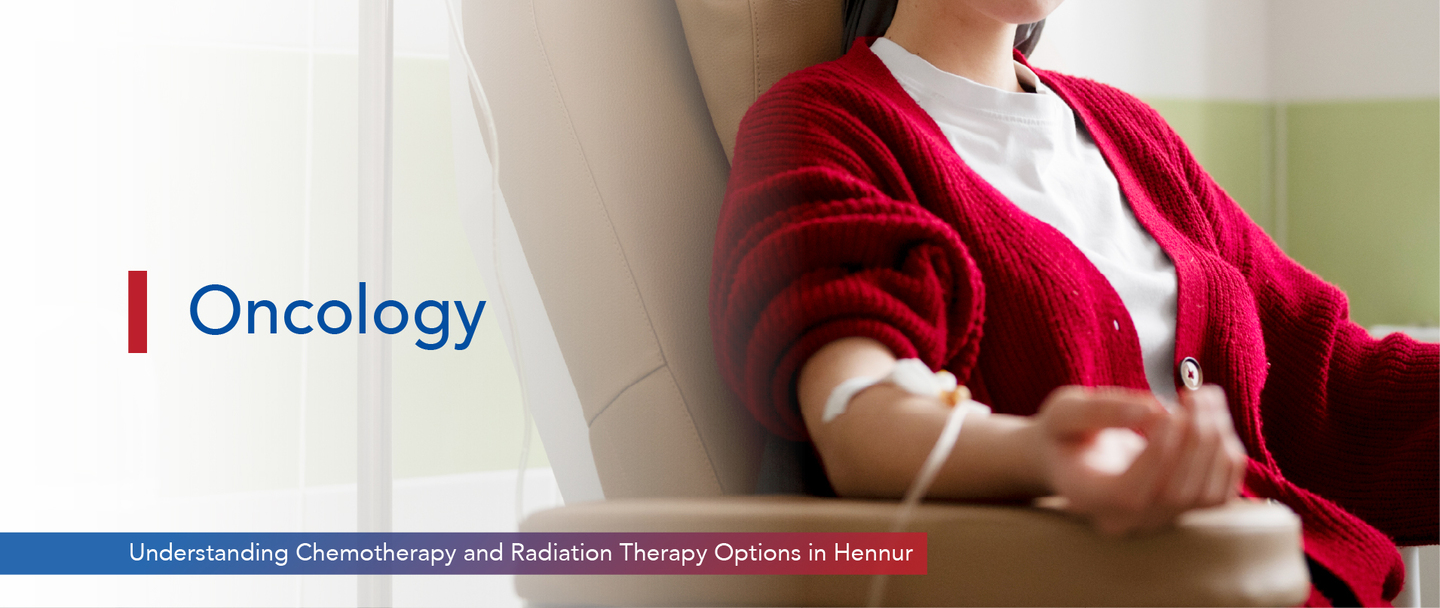
When people first hear that they or someone close to them has cancer, the immediate thoughts are usually full of confusion and questions. Among those questions, one of the most common is about the treatment itself. Most people hear two terms again and again, i.e., chemotherapy and radiation therapy.
These two words are often said together, and they are sometimes thought to mean the same thing. But the truth is very different. These two treatments are very distinct. Each one works differently and serves its own purpose in the larger journey of oncology treatment.
If you are living in or around Hennur and you have begun looking at treatment options, then understanding these therapies becomes very important. This blog is written to help you understand how these two therapies work.
It will also show how they are used in the treatment plan and what you can expect as a patient or caregiver. Whether you are searching for chemotherapy in Hennur or exploring options for radiation therapy in Hennur, this guide will give you clarity and confidence.
No, they are not the same! Both are used in cancer care. Both have one goal, i.e., to kill or control cancer cells. But how they work and how they are given are not similar at all. Chemotherapy is a type of cancer medicine that enters your bloodstream.
It moves through your body and targets cells that divide quickly. Since cancer cells divide more often than normal cells, chemotherapy aims to destroy those first. Because it works throughout the entire body, it is called systemic treatment.
On the other hand, radiation therapy is different. It does not go through your whole body. Instead, it is focused. A machine delivers high-energy beams to one part of the body where cancer is found. It works by damaging the DNA of cancer cells in that area. This prevents the cells from dividing and causes them to die slowly over time. Radiation therapy is called a localised treatment because it works only in the place where it is aimed.
In oncology hospitals in Hennur, patients often ask if they will need both or just one. That answer depends on the cancer type, how much it has spread, and the treatment goals. Some people may need only chemotherapy. Others may need radiation alone. Some people may need both. Your doctor will guide you.
There are many differences between these two treatments. Below is a simple breakdown of those points so that you can understand how they work and when they are used.
Chemotherapy spreads through your bloodstream and treats the entire body. Radiation therapy targets a single area where the tumour is located. That makes one systemic and the other local.
Chemotherapy is usually given by mouth or through a drip. Radiation therapy is delivered using high‑energy beams directed at a specific area of the body by a machine.
Chemotherapy is given in cycles. There are treatment days followed by recovery days. Radiation therapy is given five days a week over several weeks, but each session is short.
Chemotherapy damages cells that divide fast, such as cancer cells. Radiation therapy damages the DNA inside the tumour, so the cells stop dividing and eventually break down.
Chemotherapy is used when the cancer may have spread to other areas, including cells that are not visible on scans. Radiation is used when the tumour is confined to one region.
Chemotherapy may take place at a hospital, a day care unit, or even at home if taken in pill form. Radiation therapy requires visits to a special centre equipped with machines.
Chemotherapy is often used before or after surgery. Radiation may be used before surgery to shrink the tumour or after surgery to clear remaining cancer cells.
Some cancers respond better to chemotherapy. Others are better controlled with radiation. Some may need both. The doctor decides based on evidence and the stage of the disease.
Side effects are a normal part of treatment. What matters is understanding them and preparing for them. Each therapy has its own set of side effects. Some are short-term. Some may take longer to fade. The difference mainly comes from whether the treatment affects the whole body or just one part.
Chemotherapy does not just affect cancer cells. It may also harm healthy cells that divide quickly, such as those in the mouth, stomach, and hair roots. Radiation is more focused.
Side effects of chemotherapy include hair loss, low white blood cells, tiredness, vomiting, and a weaker immune system. These may vary from one patient to another.
Radiation therapy causes effects in the treated area. These may include dry or red skin, sore throat, difficulty swallowing, or changes in bowel or bladder activity, depending on location.
Chemotherapy may raise the chance of late side effects, such as heart strain or infertility, in some cases. Radiation may also cause changes in nearby healthy tissue over time.
Both treatments may cause emotional tiredness or worry. Knowing what to expect and having strong support make a big difference in how patients cope with the journey.
Most side effects settle down in weeks after treatment ends. Rest, balanced food, medical follow-ups, and personal care all play a role in quicker recovery.
When someone starts treatment, the unknown can feel harder than the treatment itself. Knowing what will happen helps reduce fear. Whether you are going for radiation therapy in Hennur or considering chemotherapy in Hennur, this is what the treatment process often looks like.
The first step is a meeting with an oncologist. This will include a detailed history, imaging tests, and a physical exam. You will be told about the treatment plan and why it is suitable.
For chemotherapy, your blood counts and overall health are checked. For radiation therapy, you may go through planning scans and mapping sessions to make sure the beams hit the correct spot.
A chemotherapy session may last from one to several hours, depending on the drug. There are breaks between sessions. These cycles allow your body time to recover between doses.
Radiation is usually given from Monday to Friday. Each session lasts around 15 to 30 minutes. The actual delivery of radiation is even shorter and does not cause pain.
Sometimes, both treatments are given together. This is called chemoradiation. It is used for cancers such as cervical, rectal, or head and neck cancers, where a combined effect gives better control.
After treatment ends, regular follow-up visits are planned. These visits track your health, review recovery, and look for any early signs of side effects that need care.
Cancer treatment is never easy, but knowing the difference between chemotherapy and radiation therapy helps people feel more in control. Both treatments are used across oncology hospitals in Hennur. What matters most is choosing the right plan for the right person at the right time.
If your doctor has advised you about cancer medicine, it helps to ask whether it involves chemotherapy or radiation therapy. You can also ask whether the plan is local, systemic, or a mix of both. Knowing your options, understanding how treatment works, and being aware of possible side effects will help you cope better.
Patients and families in Hennur today have access to care from some of the best oncologists in Hennur. These experts will guide you step by step so that your treatment is based on what science shows to be effective.
Yes. This approach is called chemoradiation. It is used when both local and systemic control are needed. Your care team decides based on cancer location and treatment goals.
Your doctor will decide based on where the tumour is, whether it has spread, and how aggressive it is. Each plan is made based on cancer type and stage.
Radiation therapy usually causes fewer side effects as it targets one area. Chemotherapy affects the entire body and may have more widespread effects during treatment.
Both are effective in different ways. Chemotherapy works well for widespread cancers. Radiation therapy works well for tumours that are localised. Some cancers respond best to both together.
Most side effects reduce within a few weeks of finishing treatment. Some may take longer. Regular care, rest, and follow-up visits support recovery and help catch long-term issues early.
3 Mins Read
Categories:






Understanding Chemotherapy and Radiation Therapy Options in Hennur is available for appointments. Please fill the below form to book an appointment.
Unlock the door to exceptional healthcare, book an appointment with SPARSH Hospital and let your journey to wellness begin.
Copyright © 2026 SPARSH Hospital, A Unit of Shiva & Shiva Orthopaedic Hospital Pvt Ltd.