Published in : Women & Children | January 2, 2026 |
 Medically Reviewed
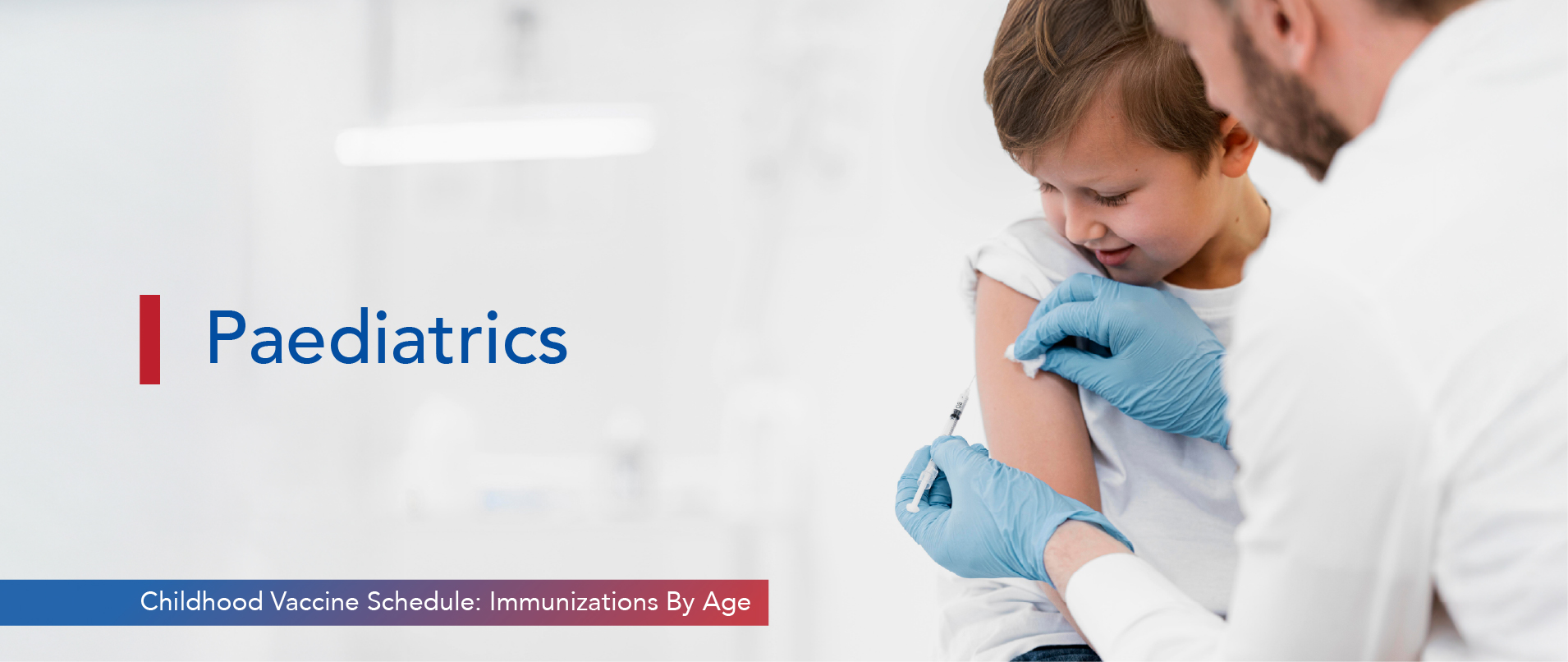
Parents often come across child vaccination age charts but do not always understand how they work or why they matter. The concept may feel overwhelming or unnecessarily technical. For families navigating early childcare decisions, the best place to begin is with a clear understanding of the immunisation schedule. A structured vaccine schedule simplifies preventive care into manageable steps.
The immunisation schedule is not a general suggestion. It is a structured timeline backed by medical consensus, epidemiological research and country-specific needs. Each immunisation at birth or later stage is placed with purpose. The objective is not only to prevent infection but also to ensure long-term protection during critical developmental windows.
A child’s immune system does not function at full strength immediately after birth. It remains highly susceptible to infections during the early months and needs systematic medical support to develop protective resistance. Vaccination for kids follows a carefully structured schedule. Each immunisation is timed based on the child’s immune development stage and the likelihood of disease exposure.
Vaccines for children serve a dual purpose. They offer direct protection from infectious diseases and also prepare the body to respond more effectively to future threats. The importance of vaccination lies in its ability to reduce illness while also slowing the spread of infections across families along with communities. This widespread protection contributes to the development of herd immunity.
Medical experts agree that missing or delaying doses may compromise vaccine effectiveness. Immunisation at birth is particularly important in India and other densely populated countries where exposure risk is higher due to climatic and sanitary conditions.
The child vaccination chart is built around developmental milestones. Every immunisation corresponds to a specific age or time frame. The information below outlines these vaccine points in chronological order:
Newborn vaccines begin with three key immunisations. These include a vaccine to prevent tuberculosis, an oral dose against polio, and one protecting against liver-related infections. Each is administered before hospital discharge. These help strengthen immunity against diseases that pose serious risk in early infancy.
A combination of vaccines is introduced at this point. These include protection against diphtheria along with whooping cough and tetanus, bacterial infections like Haemophilus influenzae, polio, pneumonia, and diarrhoea-related viruses. These are vital for children entering their first months of social exposure.
A repeat set of similar vaccines is administered. This boosts early response levels and continues the protection started at 6 weeks. Children with delayed schedules may still follow catch-up formats but timing remains critical for disease resistance.
A third dose is recommended to ensure long-term immunity. This round completes the initial trio of early-life protection, particularly vital in lower-resource or high-transmission regions.
In some regions, another oral dose against polio is advised. Children in high-risk categories may also receive seasonal respiratory-related protection.
Measles protection becomes the priority at this age. This vaccine targets a condition that spreads easily among infants and may lead to severe health complications.
A vaccine against typhoid is recommended. Given India’s disease profile, this immunisation helps reduce the burden of food- and water-borne illnesses.
Several booster vaccines are introduced at this stage. These include extended protection against pneumonia, follow-up doses for measles, and chickenpox immunisation. Hepatitis A vaccine is also introduced in regions with higher incidence.
Children may receive a second dose for typhoid. Some may also require meningitis-related vaccines, especially in crowded or disease-prone environments.
A second booster round is administered. This renews protection against diphtheria along with pertussis, tetanus, measles, polio, and chickenpox.
Pre-adolescents may require vaccination against viruses affecting reproductive health. Protection against these viruses is best when given before physical maturity begins.
Tetanus booster is recommended. Further doses may be given every ten years depending on local health guidelines and exposure risk.
This structured immunisation schedule is designed to be universal. However, it may be adjusted in specific cases by the best paediatrician in Bangalore, depending on medical history, allergies, or pre-existing conditions.
While the immunisation schedule is medically defined, implementation in India faces practical and financial challenges. Vaccination for kids is not uniformly accessible across the country. Many districts experience funding limitations, inadequate medical staff, and supply disruptions.
National health estimates show that less than 70 percent of Indian children receive full vaccination on time. The cost of covering all districts uniformly under the full immunisation schedule is significantly higher than current public health allocations. This financial gap limits the reach of vaccines for children.
Some areas have to rely heavily on out-of-pocket payments by families or restrict newer vaccines that are not yet part of the national programme. Many parents also lack clear access to a verified child vaccination age chart, which may lead to delays or missed doses.
Inconsistency in cost per child and service availability makes it difficult for national programmes to apply one uniform solution. Each district may require tailored intervention supported by data-based planning and resource optimisation.
Consulting a healthcare provider is necessary if any immunisation is missed or delayed. A qualified paediatrician can recommend a catch-up vaccine schedule that accounts for age and existing doses. This ensures the child is not left unprotected during vulnerable periods.
In most cases, children may show signs of fever or discomfort following an injection. Parents should seek professional evaluation to rule out severe reactions. While most vaccines are well tolerated, medical guidance helps clarify concerns and ensures confidence in ongoing immunisation.
Families can seek advice from the best paediatrician in Bangalore to understand the correct intervals, expected responses, and long-term care guidance. This support helps reinforce trust in vaccination for kids and encourages compliance with the recommended child vaccination chart.
Vaccination is not a one-time event but a continuous process that supports child health from birth through adolescence. The immunisation schedule defines this process based on disease risks, child development, and immunological science.
Every immunisation at birth or later stage is intended to build resistance and prevent serious illness. As challenges continue to pop-up, especially in India’s vast and diverse healthcare landscape, the structured child vaccination age chart remains a vital part of preventive care.
For parents seeking clarity, the best paediatrician in Bangalore [or other trusted sources] may help explain vaccine timing and health priorities. A complete and timely schedule strengthens not only the child’s immunity but also supports public health resilience.
The full childhood schedule may include over 12 different vaccines across multiple doses. These are spaced over birth, infancy, early childhood, and adolescence [each addressing specific diseases and exposure timelines].
Vaccinations may be delayed for valid medical reasons but must be resumed under guidance. Delays without consultation may reduce effectiveness and increase disease vulnerability during the missed window.
Under the national programme, a child may receive around 11 to 15 vaccines, depending on age, location, and special risk factors. The number may be higher in private settings with broader coverage.
Some vaccines require spacing to avoid interference. For example, certain live-virus vaccines may need intervals between doses. A paediatrician determines appropriate timing to avoid overlap and maximise immune response.
Pain response varies but injections given in the muscle, especially combination vaccines in early months, may cause more discomfort. Medical staff take care to use appropriate techniques to reduce pain.
3 Mins Read
Categories: Women & Children












Childhood Vaccine Schedule: Immunisations By Age is available for appointments. Please fill the below form to book an appointment.
Unlock the door to exceptional healthcare, book an appointment with SPARSH Hospital and let your journey to wellness begin.
Copyright © 2026 SPARSH Hospital, A Unit of Shiva & Shiva Orthopaedic Hospital Pvt Ltd.