Published in : Gastroenterology | March 9, 2026 |
 Medically Reviewed
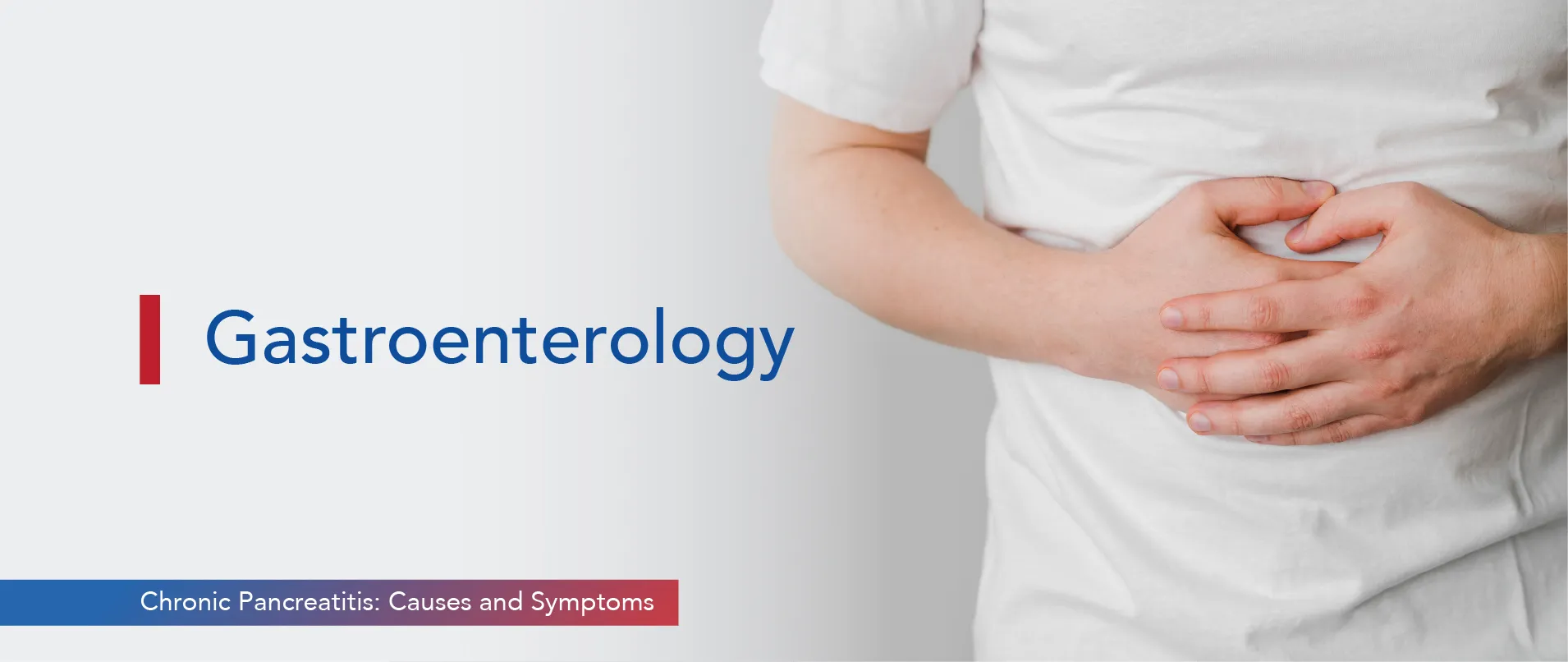
Can long-term stomach pain and digestive problems be signs of a deeper issue?
In some people, these symptoms may point to chronic pancreatitis, a condition where ongoing inflammation gradually damages the pancreas. Unlike sudden attacks of acute pancreatitis, this form develops slowly and can interfere with digestion and hormone production over time. Recognising symptoms early and understanding what causes the condition can help patients seek timely care and manage daily life more effectively.
Chronic pancreatitis may affect both physical health and emotional well-being. The most common problems include long-term digestive issues and abdominal pain. These symptoms may interfere with eating, sleep, and daily movement. In many individuals, symptoms progress gradually and worsen without warning.
Persistent pain is one of the most challenging aspects of chronic pancreatitis. It may occur daily or come and go in painful episodes. For some, it feels like a dull ache, while for others it may be sharp and long-lasting. Many people notice that the pain worsens after eating or during periods of rest.
As the disease progresses, the body may struggle to absorb nutrients properly. This may result in weight loss, poor growth in children, and low energy levels. Dietary adjustments and guidance on suitable foods can help support digestion and energy levels.
Emotional stress is also common, especially when symptoms are unpredictable or long-lasting. Frequent discomfort, uncertainty around meals, and the burden of symptom control may affect mood or social activities. Seeking guidance from professionals and managing expectations may help people adapt to the new routines that chronic pancreatitis treatment often requires.
Chronic pancreatitis causes vary between individuals, and the underlying reason may not always be clear. In many cases, more than one factor plays a role in damaging the pancreas. Some causes are related to external substances, while others involve internal or inherited conditions.
Long-term alcohol use is one of the most established triggers. In people with repeated acute flare-ups, alcohol may accelerate damage and lead to scarring of pancreatic tissue. In some individuals, even lower levels of alcohol over long periods may contribute to disease progression.
Smoking is highly associated with pancreatic damage. The chemicals in tobacco may interfere with the function of cells and increase the rate of inflammation. In smokers, progression may be more rapid and response to treatment may be limited.
In some cases, inherited gene mutations may cause weak protective mechanisms in the pancreas. This is more common in children or young adults and can lead to early-onset chronic pancreatitis.
Some people may have inflammation caused by their own immune system. In some cases, the immune system mistakenly attacks pancreatic tissue, causing inflammation and scarring.
Narrow ducts, pancreatic stones, or anatomical changes present since birth may lead to poor drainage. Over time, this mechanical pressure may cause inflammation and tissue injury.
In a portion of patients, no direct cause is found. These idiopathic cases require thorough evaluation to rule out subtle or overlapping contributors.
Understanding chronic pancreatitis helps guide clinical decisions and supports realistic expectations for recovery. Specialist input from a gastroenterologist in Bangalore may offer insights where diagnosis remains uncertain.
Chronic pancreatitis symptoms evolve slowly and vary with disease stage. Early symptoms may be subtle or overlooked. As the condition progresses, symptoms may interfere with nutrition, comfort, and daily routine.
Pain is a key feature. It usually appears in the upper abdomen or behind the ribs. The pain may radiate to the back, and intensity may vary. In many cases, it worsens after eating or when lying down.
People may feel full quickly during meals. Nausea or vomiting may occur with or without food intake. Digestive discomfort may follow larger or fatty meals.
Loss of digestive enzymes leads to poor breakdown of fats. This causes oily, foul-smelling stools that float. It also signals fat-soluble vitamin deficiency.
Due to reduced digestion and nutrient uptake, many patients lose weight unintentionally. This symptom may occur even with adequate food intake.
Low energy may also be linked to poor nutrition or disrupted sleep.
As insulin production decreases, symptoms of diabetes may appear, such as increased thirst and frequent urination.
Chronic pancreatitis symptoms may overlap with other gastrointestinal conditions. Early recognition and structured assessment support timely care and improved symptom control.
Diagnosing chronic pancreatitis involves a combination of clinical review, imaging, and tests that assess digestive function. There is no single test that confirms the disease in all cases. Instead, doctors rely on a comprehensive approach to rule out other conditions and confirm chronic changes.
A complete review of symptoms, lifestyle habits, and past illness is important. Clues such as persistent pain, alcohol intake, and weight changes lead to suspicion.
These tests are helpful to assess enzyme levels, inflammation, and signs of malabsorption. Stool samples might be analysed for the fat content and digestive enzymes activity.
Ultrasound and CT scans may show calcification, ductal irregularities, or structural damage. Magnetic resonance cholangiopancreatography (MRCP) provides detailed views of the pancreatic ducts and fluid collections.
This test provides close-up images of the pancreas and may detect fibrosis in early stages.
Doctors may also check for gallstones, ulcers, or tumours to ensure symptoms are not caused by other conditions.
When results remain unclear, referral to a gastroenterology hospital in Bangalore may assist in obtaining a detailed diagnosis through advanced tests.
There is currently no cure, but treatment focuses on reducing symptoms and maintaining nutrition. The approach depends on cause, symptom severity, and response to earlier treatments.
Pain may be managed with medication, dietary changes, and sometimes procedures to relieve duct pressure.
Digestive enzyme supplements may help patients absorb fat and protein. This improves weight gain, reduces bloating, and lowers stool fat content.
When the pancreas no longer produces enough insulin, structured diabetes care becomes essential. Endocrine follow-up is often part of the chronic pancreatitis treatment pathway.
Surgery may be considered in select patients who do not respond to conservative care. Procedures include drainage of ducts or removal of severely affected tissue.
Avoiding alcohol and tobacco is central to treatment. Continued use of either may worsen inflammation and reduce treatment effectiveness.
Identifying appropriate pancreatitis foods to eat helps support comfort and function. Meals may need to be small, low in fat, and rich in digestible nutrients.
Close follow-up ensures that changes in symptoms or complications are addressed early. Regular follow-up with specialists helps manage complications and adjust treatment when needed.
Chronic pancreatitis is a long-term condition that affects digestion, nutrition, and hormone balance. Symptoms such as ongoing abdominal pain, weight loss, and digestive discomfort can gradually interfere with daily life. While the condition cannot be reversed, early diagnosis and personalised treatment can help reduce complications and improve comfort. Managing the disease often involves a combination of medication, dietary changes, and regular medical follow-up. With the right care and support, many people are able to maintain better symptom control and protect their overall health.
Frequent urination may occur if chronic pancreatitis affects insulin production and leads to diabetes.
It is most often linked to long-term alcohol use, smoking, genetic factors, autoimmune conditions, or blockage of the pancreatic ducts. In some people, the exact cause is not found.
Doctors use a combination of symptom review, blood and stool tests, imaging scans, and sometimes endoscopic procedures to confirm long-term pancreatic damage.
Treatment focuses on pain relief, digestive enzyme supplements, good nutrition, blood sugar control, and lifestyle changes. Some patients may also need procedures or surgery.
3 Mins Read
Categories: Gastroenterology











Chronic Pancreatitis: Causes and Symptoms is available for appointments. Please fill the below form to book an appointment.
Unlock the door to exceptional healthcare, book an appointment with SPARSH Hospital and let your journey to wellness begin.
Copyright © 2026 SPARSH Hospital, A Unit of Shiva & Shiva Orthopaedic Hospital Pvt Ltd.