Published in : Gastroenterology | March 4, 2025 |
 Medically Reviewed

Stomach pain can occur on either side of the abdomen, with causes ranging from mild digestive issues to serious medical conditions. Pain in the left side of the abdomen may indicate problems like gas, constipation, or kidney stones. Meanwhile, pain in the right side of the stomach could signal appendicitis, gallbladder disease, or liver conditions. Let’s understand the causes and symptoms of left- and right-sided stomach pain, along with treatment options for abdominal pain.
If you or a family member experience persistent or severe pain on either side of the abdomen, seek medical attention.
Abdominal pain can arise from various conditions affecting the digestive system, kidneys, liver, or other organs. However, the location of the pain often provides valuable clues about its cause.
While occasional discomfort may be harmless, persistent or sharp pain, such as right-sided abdominal pain or left lower abdomen pain, can be serious. It can indicate underlying problems that require a thorough medical evaluation. Stomach pain on either side should always be assessed by its location.
Left-sided stomach pain can stem from issues in the stomach, intestines, kidneys, or reproductive organs. Here’s a closer look at the causes of left-sided abdominal pain that may feel sharp, cramping, or dull and often worsens after heavy meals.
Trapped gas can cause cramping or sharp pain in the left abdominal region, especially after eating certain foods. Bloating, belching, and discomfort that improve after passing gas are common signs. This is a common trigger of lower left-side abdominal pain.
A lack of fibre or dehydration can lead to hard stools, causing lower abdominal pain on the left side. Symptoms include infrequent bowel movements and bloating. Hard stools frequently cause lower left abdomen pain and bloating.
Inflammation of small pouches in the colon (diverticula) can cause persistent left lower abdomen pain, accompanied by fever, nausea, and changes in bowel habits. Lower left side abdominal pain from diverticulitis needs prompt medical care.
Kidney stones or calculi are hard deposits of minerals that form in the kidneys. When a stone moves into the ureter or obstructs urine flow, it can cause sharp pain in the side or lower abdomen that radiates to the back or groin. The patient can also experience blood in the urine, frequent urination and pain during urination. Kidney stones are one possible cause of left-sided abdominal pain.
Fluid-filled sacs in the ovaries can cause left lower abdomen pain, irregular periods, and bloating. Severe cases may require medical intervention. Left abdominal pain female patients report often traces back to ovarian cysts.
An enlarged or ruptured spleen due to infections or injury can cause pain in the upper left side of the stomach, along with fatigue and easy bruising. Left upper abdomen pain that worsens after meals may point to spleen trouble.
Right abdominal pain often indicates issues with the liver, gallbladder, appendix, or intestines. The common causes and symptoms are as follows:
Appendicitis often causes pain in the lower right abdomen. The pain may begin around the belly button before moving to the lower right side. Nausea, fever and loss of appetite may also occur. If you are experiencing severe abdominal pain in the lower right side, you should visit our gastroenterology department for urgent medical assessment.
Gallstones or gallbladder inflammation can cause severe pain in the right side of the stomach, especially after fatty meals. Symptoms may include nausea, vomiting, and jaundice. Pain in the right side of the stomach after fatty meals is a classic warning sign.
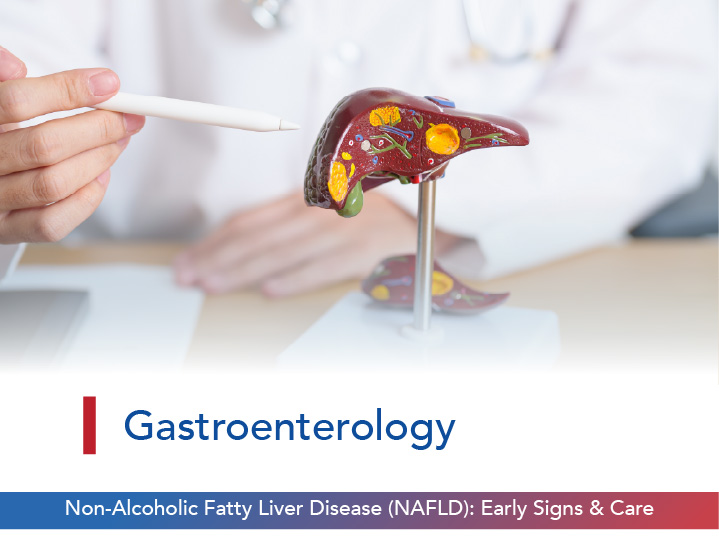
Hepatitis or fatty liver disease can cause dull right-sided abdominal pain, along with fatigue, yellowing of the skin (jaundice), and nausea. This dull ache can also cause right-sided stomach pain.
Similar to the left side, kidney infections or stones can cause right-sided stomach pain, back pain, fever, and painful urination. Fever with lower right abdominal pain may be a symptom of kidney infection.
Chronic digestive issues can lead to pain on either side of the stomach, bloating, and altered bowel movements. Stomach pain from IBS often eases temporarily after bowel movements.
Cysts on the right ovary can cause right-sided lower abdomen pain, irregular menstrual cycles, and bloating. Ovulation may temporarily heighten pain in the lower right abdomen every month.
If your stomach pain occurs after eating, it could be linked to digestion-related problems. Noting your meals helps identify why stomach pain appears after eating.
Chronic abdominal pain refers to discomfort that lasts for weeks or months. It may be caused by conditions like: Ongoing stomach pain should be evaluated rather than ignored.
For women, right-sided stomach pain may be caused by:
It is important for women to seek prompt medical care if pain is sudden, severe, or associated with irregular bleeding.
Left-sided stomach pain in females can vary depending on the involved organs and underlying condition. Wondering what causes lower left abdominal pain in females? Here are the most common reasons for left-sided stomach pain in female patients:
Left abdominal pain that female patients feel can also fluctuate with the menstrual cycle. Knowing what causes lower left abdominal pain in females ensures faster treatment.
If the pain is severe, persistent, or associated with unusual symptoms, timely medical consultation is important.
Ways to manage stomach pain relief include:
These steps can help reduce discomfort and improve digestion. However, if pain persists, becomes severe, or is accompanied by symptoms like fever or vomiting, visit experienced and board-certified gastroenterologists for immediate medical attention.
Mild left-side stomach pain or right-abdomen pain caused by gas, indigestion, or constipation may improve with simple home remedies:
Warm compresses work well for lower left side abdominal pain caused by gas.
The treatment for abdominal pain depends on its cause. Doctors first identify whether it is left-sided abdominal pain or right-sided pain.
Drinking plenty of water and eating a fibre-rich diet can relieve constipation. Moreover, avoiding trigger foods like spicy, fatty, or dairy-heavy meals can prevent stomach pain after eating.
Antacids for acid reflux and pain relievers for kidney stones or menstrual cramps. Antibiotics for bacterial infections like appendicitis or kidney infections.
Doctors may recommend an Appendectomy for appendicitis, a Gallbladder removal for severe gallstones, or a Kidney stone removal if the stones are too large to pass naturally.
Seek medical attention if you experience:
If you are looking for the best gastroenterology hospital in Bangalore, please visit Sparsh Hospital for reliable expertise and evidence-based care.
Abdominal pain can have many causes, depending on whether it occurs on the left or right side. While some cases are mild and resolve on their own, persistent or severe pain, like pain in the right side of the stomach or pain in the left side of the abdomen, may indicate a serious health issue.
Sparsh Hospitals’ leading gastroenterologist in Bangalore can help you get the right assessment and treatment for persistent stomach pain and digestive problems. They will thoroughly evaluate symptoms, recommend appropriate diagnostic tests and develop treatment plans based on each patient’s condition.
If you experience persistent abdominal pain, book an appointment to consult a qualified and skilled gastroenterologist for abdominal pain, acidity, gastritis, irritable bowel syndrome (IBS) and other digestive concerns. They will provide an accurate diagnosis and appropriate treatment to support a smooth recovery.
It may be due to gas, constipation, kidney stones, or diverticulitis. In women, ovarian cysts can also cause pain in the lower left abdomen. Lower left side abdominal pain from gas usually settles within a few hours.
Pain on the right side of the abdomen may be caused by appendicitis, gallbladder problems or liver conditions. Kidney stones and infections can also cause pain in this area. If the pain persists or gets worse, seek medical attention promptly.
Stomach pain after eating may be caused by acid reflux, gastritis, food intolerances or gallbladder problems. Keeping a food diary can help you identify foods that trigger your symptoms. Pain after eating fatty or heavy meals may be linked to gallbladder problems.
You should seek medical attention if you or a family member experiences severe, persistent pain that may be accompanied by vomiting, fever, or jaundice. Lower left abdomen pain with fever may also indicate diverticulitis.
Categories: Gastroenterology





Left vs Right Side Stomach Pain: What It Means & When to Seek Help is available for appointments. Please fill the below form to book an appointment.
Unlock the door to exceptional healthcare, book an appointment with SPARSH Hospital and let your journey to wellness begin.
Copyright © 2026 SPARSH Hospital, A Unit of Shiva & Shiva Orthopaedic Hospital Pvt Ltd.






 Live Chat