Published in : Pulmonology | November 21, 2025 |
 Medically Reviewed
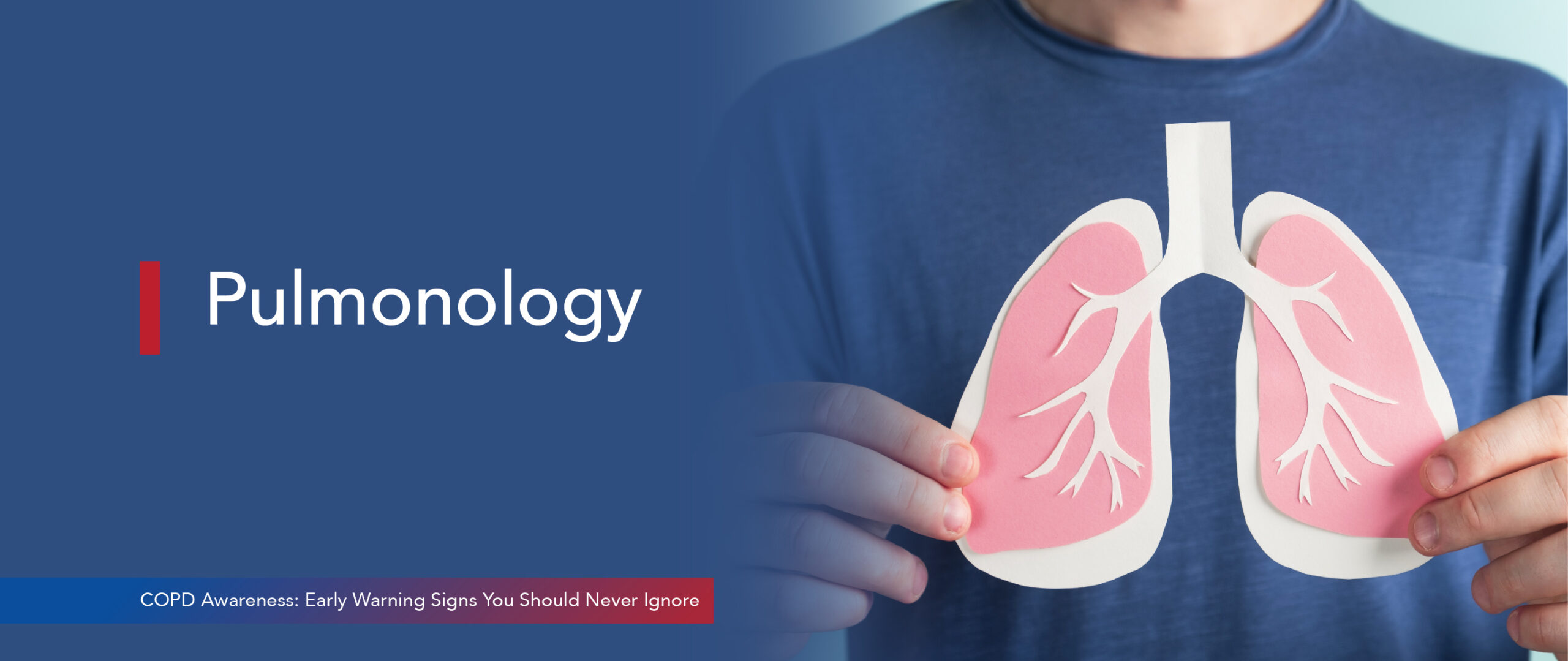
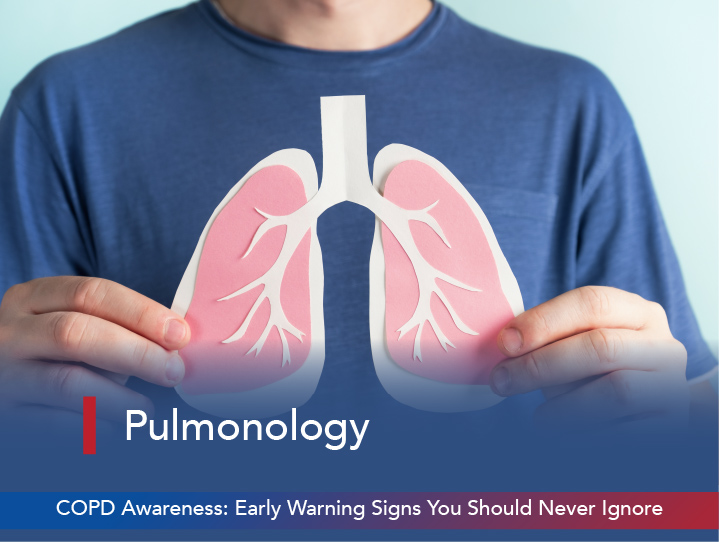
Chronic Obstructive Pulmonary Disease (COPD) is a common lung disease that restricts the lung’s airflow and causes breathing problems, among other symptoms. It is sometimes called Chronic Bronchitis or Emphysema, as individuals diagnosed with COPD have symptoms similar to those of these diseases — persistent cough with mucus, shortness of breath, and wheezing, among others.
Although COPD is not curable, symptoms can be managed to ensure that the condition does not take over one’s life. In this blog, we will share the early warning signs of COPD (as November is COPD awareness month) that can help you get the right care before the condition takes over your life.
COPD is a long-term respiratory condition in which airflow through the lungs becomes progressively restricted. This limitation does not fully resolve and often worsens over time.
Most people who develop COPD have a history of long-term exposure to irritants that damage the lungs. Cigarette smoke is the most common cause, followed by occupational or environmental pollutants. Moreover, continued exposure to smoke or pollutants triggers ongoing inflammation, gradually thickens and narrows the airway walls, and makes it harder for air to move in and out.
Because these changes develop slowly, the early stages of COPD rarely present with sudden or dramatic symptoms. Many individuals start limiting physical activity without realising it, adjusting their routine to cope with breathlessness. This silent adaptation delays detection and allows lung function to decline further.
As the disease advances, exacerbations become more frequent, symptoms become harder to control, and the risk of respiratory failure increases. These later stages place a significant burden on day-to-day living and often require more intensive medical support.
Early signs of COPD are subtle but significant! Most patients ignore or misinterpret these symptoms until disease progression demands medical attention. Recognising these warning signs early may offer opportunities for medical intervention and lifestyle modification that reduce long-term impact. Below are some early warning signs of COPD:
Chronic coughing, especially when accompanied by mucus, is a key early symptom. This occurs as a result of airway inflammation and increased mucus production. The cough may become so frequent that individuals no longer notice its persistence.
Breathlessness that appears during physical activity, such as walking or climbing stairs, may signal reduced lung function. In early COPD, individuals may avoid exertion rather than identify the cause of their symptoms.
The lungs attempt to trap and clear irritants by producing mucus. In COPD, this mechanism becomes overactive, leading to thick and persistent sputum that may interfere with normal airflow.
Individuals with early COPD may develop more frequent or prolonged episodes of cold or bronchitis. These infections occur due to compromised respiratory defences.
Airflow obstruction in the lungs may cause tightness, especially in cold weather or polluted environments. Wheezing may occur during exhalation and reflects airway narrowing.
As breathing requires more effort, the body compensates by reducing overall activity, leading to fatigue (which patients may attribute to other causes).
Each of these signs indicates a potential disturbance in lung mechanics. Addressing them early may prevent further deterioration and reduce the risk of respiratory failure later in life.
COPD does not develop on its own! Several risk factors increase the likelihood of onset. These risk factors influence both disease occurrence and severity.
Awareness of these risk factors enables individuals to make informed decisions. Limiting exposure to harmful substances and seeking timely respiratory evaluation are key strategies to minimise future harm.
Raising COPD awareness helps shift the focus from reactive treatment to proactive detection. By encouraging people to recognise early symptoms, screening can occur before significant lung damage develops.
November is COPD awareness month, a time when health organisations like SPARSH Hospitals and communities raise public awareness about the disease. The month is used to educate people about the causes, symptoms, encourage early detection, and promote better management and treatment options.
Many people do not realise how long they have adapted to restricted breathing until a crisis exposes the severity. It is advisable to consult a pulmonologist at the best pulmonology hospital in Bangalore if symptoms such as breathlessness, chronic cough, or frequent respiratory infections become routine.
Worsening symptoms, reduced physical activity tolerance, or noticeable weight loss should prompt immediate review. Patients who experience daily disruption from cough, mucus, or wheezing may benefit from pulmonary evaluation. Early referral to the best pulmonologist in Bangalore or another city may result in earlier diagnosis and more effective management.
Timely action may reduce disease burden and delay the onset of respiratory failure. Regular monitoring, spirometry, and structured care plans help preserve lung function and improve quality of life.
COPD is a preventable and manageable condition if recognised early. Despite its gradual onset, early signs of COPD may indicate ongoing lung damage. Acknowledging these symptoms and understanding the risk factors may help limit progression.
We at SPARSH emphasise early detection, and with this “COPD Awareness” blog, we aim to educate people about the early signs of COPD and help them seek treatment for this lung disease. By focusing on COPD awareness and encouraging people to seek timely evaluation, the burden of respiratory failure and long-term disability may be reduced.
Early signs of COPD include persistent cough, breathlessness during activity, increased mucus production, and frequent respiratory infections. These symptoms may progress slowly and often go unnoticed for months or years.
While lung damage from COPD may not fully reverse, early intervention may improve symptoms and slow progression. Smoking cessation, pulmonary rehabilitation, and lifestyle modification offer measurable benefits over time.
Normal oxygen saturation in COPD patients ranges from 88% to 92%, though this varies based on disease severity. Monitoring may help assess the need for supplemental oxygen or treatment adjustments.
Walking, cycling, and supervised pulmonary rehabilitation exercises improve endurance and breathing efficiency. Taking part in these activities and making them a part of your lifestyle helps maintain physical function and reduce symptom severity when performed regularly and safely.
3 Mins Read
Categories: Pulmonology






COPD Awareness: Early Warning Signs You Should Never Ignore is available for appointments. Please fill the below form to book an appointment.
Unlock the door to exceptional healthcare, book an appointment with SPARSH Hospital and let your journey to wellness begin.
Copyright © 2026 SPARSH Hospital, A Unit of Shiva & Shiva Orthopaedic Hospital Pvt Ltd.