Published in : Gastroenterology | June 13, 2026 |
 Medically Reviewed
Have you ever wondered if simple changes in your daily meals could help heal your liver? Fatty liver disease is now one of the most common lifestyle-related conditions, affecting nearly 25% of adults worldwide. Despite its rising prevalence, it often goes unnoticed in the early stages.
The encouraging part is that early fatty liver can often be managed and even reversed with the right dietary and lifestyle choices. Therefore, following a structured fatty liver diet is one of the most effective ways to support liver recovery and prevent progression.
This blog explains what fatty liver is, the importance of diet, and the foods that can help improve liver health.
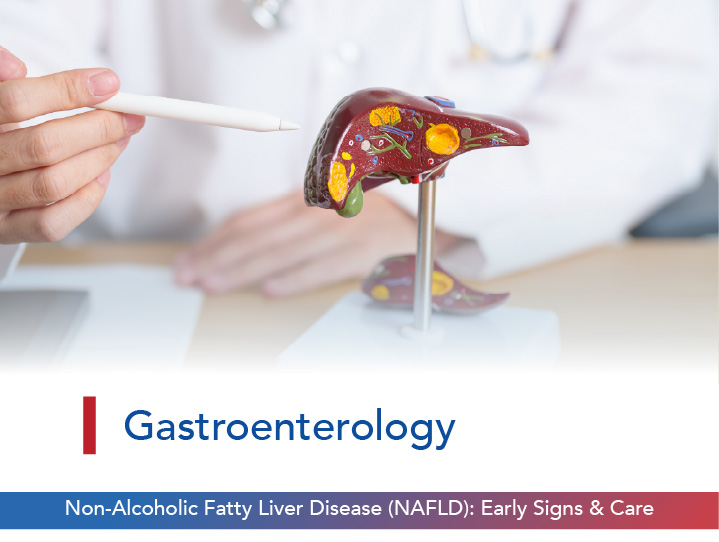
Fatty liver disease occurs when excess fat accumulates in liver cells. This condition is commonly associated with obesity, diabetes, high cholesterol, and sedentary habits.
There are two main types: alcoholic fatty liver disease and non-alcoholic fatty liver disease. The latter is more common and is closely linked to diet and metabolic health.
In its early stages, fatty liver may not cause noticeable symptoms. However, if left untreated, it can lead to inflammation and long-term liver damage. Therefore, early intervention through a proper fatty liver diet plan is essential.
Diet plays a central role in managing and preventing fatty liver disease. The right foods for fatty liver help reduce fat accumulation and support liver function.
A balanced diet can improve liver enzyme levels, reduce inflammation, support weight management, and enhance overall metabolic health. Hence, including liver-healthy foods in your daily meals is crucial for recovery.
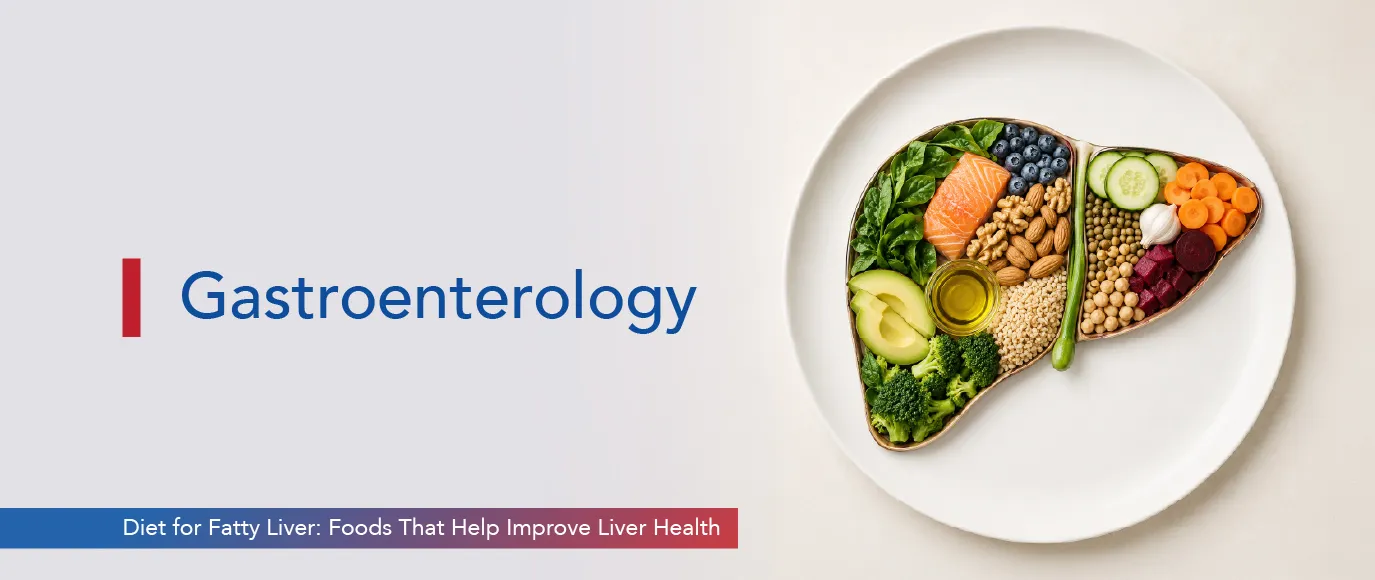
A well-planned fatty liver diet focuses on nutrient-dense foods that are easy for the liver to process.
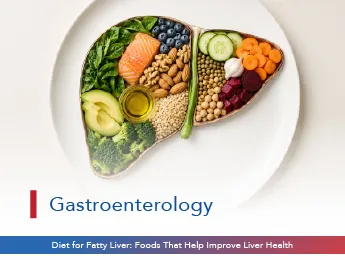
Whole grains such as oats, brown rice, and millets provide fibre and help regulate blood sugar levels. Lean proteins like fish, chicken, and legumes support tissue repair without adding excess fat.
Healthy fats from sources like nuts, seeds, and olive oil are beneficial in moderation. Fresh vegetables and fruits provide essential vitamins and antioxidants. These are considered the best foods for fatty liver, as they support liver repair and reduce fat accumulation.
Equally important is knowing foods to avoid with fatty liver. Fried foods, processed snacks, sugary beverages, and refined carbohydrates should be minimised, as they can worsen liver fat accumulation and delay recovery.
Certain fruits are particularly beneficial for liver health due to their antioxidant and fibre content. Apples, berries, citrus fruits, and papaya are excellent choices.
These fruits help reduce inflammation and support digestion. Additionally, fruits such as grapes and pomegranates contain compounds that protect liver cells from damage.
Including such fruits regularly can enhance the benefits of a fatty liver diet plan.
Adding liver-friendly fruits to your diet can be simple and effective. You can start your day with fresh fruit or include it as a snack between meals. Smoothies made with natural ingredients can also be a healthy option.
However, it is important to maintain portion control, as excessive fruit intake can raise blood sugar levels. Therefore, moderation and consistency are essential when incorporating fruits into your fatty liver diet.
Diet alone is not sufficient to manage fatty liver. Lifestyle changes play an equally important role. Regular physical activity helps reduce liver fat accumulation, and even moderate exercise, such as brisk walking, can make a difference.
Maintaining a healthy weight is another critical factor. Gradual weight loss is more effective and sustainable than rapid changes. Additionally, avoiding alcohol and quitting smoking can further support liver function.
Hence, combining a proper fatty liver diet with healthy habits provides the best results.
Many individuals look for ways to understand how to control fatty liver and improve their condition. The most effective approach involves consistent dietary changes and physical activity.
Following a structured fatty liver diet plan, reducing sugar intake, and increasing fibre consumption can lead to noticeable improvements.
For those wondering how to reduce fatty liver quickly, it is important to focus on sustainable habits rather than extreme diets. Consistency leads to long-term results.
Taking preventive measures is essential to avoid complications. Regular health check-ups help monitor liver function and detect changes early.
Avoiding processed foods, limiting sugar intake, and maintaining portion control are important steps. Understanding precautions for fatty liver also includes managing underlying conditions such as diabetes and high cholesterol. Therefore, proactive care is key to maintaining liver health.
Preventing fatty liver requires a combination of diet, lifestyle, and awareness. Eating balanced meals, staying active, and avoiding excessive calorie intake can significantly reduce risk.
Additionally, maintaining a routine and being mindful of eating habits helps sustain long-term liver health. Hence, knowing how to avoid fatty liver is as important as managing it.
Managing fatty liver disease requires a balanced approach that includes the right diet and lifestyle choices. Following a structured fatty liver diet, choosing the right food for fatty liver, and including liver-healthy foods can significantly improve liver function. Being aware of foods to avoid with fatty liver, incorporating the best foods for fatty liver, and understanding how to control fatty liver are essential for recovery.
If you are looking for ways to reduce fatty liver quickly, maintaining a consistent fatty liver diet plan, following important precautions for fatty liver, and learning how to avoid fatty liver can help achieve long-term results. At Sparsh Hospital, a leading Gastroenterology Hospital in Bangalore, expert care is available for diagnosing and managing liver conditions. Consulting an experienced Gastroenterologist in Bangalore ensures personalised guidance and better liver health outcomes.
A fatty liver diet includes whole grains, lean proteins, fruits, vegetables, and healthy fats while avoiding processed, sugary, and high-fat foods.
Yes, early-stage fatty liver can often be reversed with consistent dietary changes, regular exercise, and maintaining a healthy lifestyle.
Fried foods, sugary drinks, refined carbohydrates, and processed snacks should be avoided as they contribute to fat buildup in the liver.
Improvement may be seen within a few months with consistent diet and lifestyle changes, depending on the severity of the condition.
Yes, fruits rich in fibre and antioxidants support liver health, but they should be consumed in moderation to avoid excess sugar intake.
Categories: Gastroenterology


Diet for Fatty Liver: Foods That Help Improve Liver Health is available for appointments. Please fill the below form to book an appointment.
Unlock the door to exceptional healthcare, book an appointment with SPARSH Hospital and let your journey to wellness begin.
Copyright © 2026 SPARSH Hospital, A Unit of Shiva & Shiva Orthopaedic Hospital Pvt Ltd.






 Live Chat