Published in : Gastroenterology | April 30, 2026 |
 Medically Reviewed
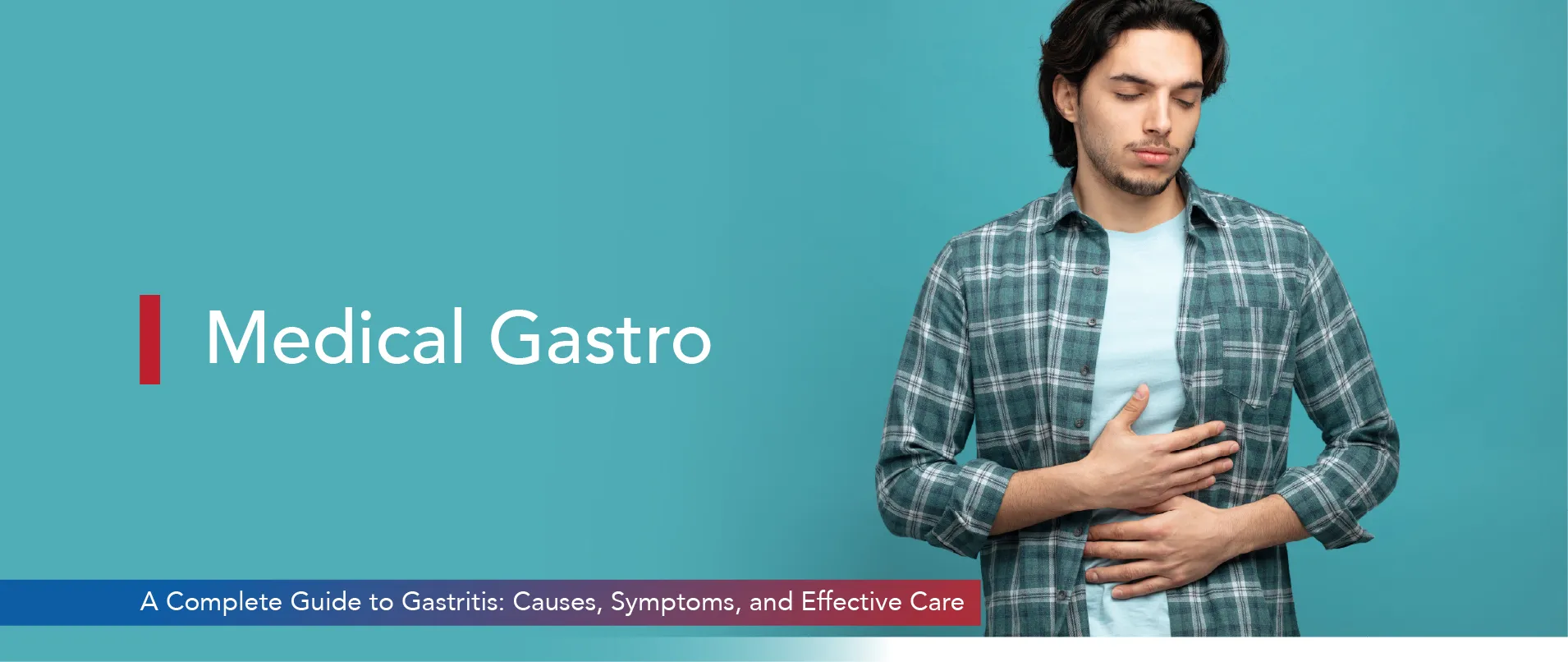
Gastritis, or inflammation of stomach lining, is a widespread digestive concern affecting millions worldwide. Research indicates that more than 50% of the global population carries Helicobacter pylori, a key contributor to gastritis, while in India, the prevalence is estimated to be as high as 60–70% among adults.
Modern lifestyle habits, including frequent use of painkillers, irregular eating patterns, alcohol consumption, and chronic stress, have further increased the incidence of this condition. Although it may begin with mild discomfort such as bloating or burning pain, untreated gastritis can lead to complications like ulcers or internal bleeding, making timely attention and appropriate care essential for maintaining digestive well-being.
Here’s a closer look at what leads to gastritis, how it presents, and the ways it can be effectively managed.
Gastritis is a condition characterised by inflammation, irritation, or erosion of the stomach lining. It can occur suddenly or develop gradually over time.
There are two main forms:
The severity can vary from mild gastritis to more serious forms that require medical attention. Therefore, early understanding helps prevent progression.
Gastritis can be present in different forms depending on its cause and duration. Common types of gastritis include:
Additionally, each type may present differently, which is why accurate diagnosis is important.
Recognising early symptoms of gastritis can help prevent complications. Symptoms may vary depending on severity.
Common symptoms include:
In more serious cases, severe gastritis symptoms may appear, such as:
Similarly, chronic gastritis symptoms may be mild but persistent, often going unnoticed for long periods.
Understanding the causes is essential for prevention and treatment. The condition may result from various factors:
Moreover, lifestyle habits such as irregular meals and spicy foods can worsen symptoms. Hence, identifying the underlying cause is crucial.
If left untreated, gastritis can lead to complications, particularly in severe cases. Therefore, it is important to address symptoms early.
Potential complications include:
Although not all cases are serious, many patients ask, “Is gastritis serious?” The answer depends on the type, severity, and duration of the condition.
It is important to seek medical attention if symptoms persist or worsen. Early consultation can prevent complications and ensure timely treatment.
You should consult a doctor if you experience:
Therefore, recognising warning signs and acting early can significantly improve outcomes.
Doctors diagnose gastritis through a combination of clinical evaluation and tests.
Common diagnostic methods include:
Additionally, these tests help determine the type and severity of gastritis, guiding appropriate treatment.
Treatment depends on the cause and severity of gastritis. The primary goal is to reduce inflammation and relieve symptoms.
Doctors may recommend:
Simple changes can significantly improve symptoms:
Therefore, combining medical treatment with lifestyle changes offers the best outcomes for treating gastritis.
Preventive care plays a key role in managing gastritis and avoiding recurrence.
Helpful tips include:
Moreover, early attention to digestive discomfort can prevent progression to severe gastritis.
Gastritis may start as a mild digestive issue, but if left untreated, it can progress to more serious gastrointestinal complications that affect overall health and daily comfort. Early diagnosis, the right treatment approach, and consistent lifestyle modifications are key to managing symptoms effectively and preventing recurrence.
If you notice ongoing symptoms such as abdominal pain, nausea, or a persistent burning sensation, it is important to seek timely medical attention. Choosing a trusted Medical Gastroenterology Hospital in Bangalore, such as Sparsh Hospital, ensures access to advanced diagnostics and comprehensive care.
With a team of experienced Gastroenterologists in Bangalore, Sparsh Hospital offers personalised treatment plans tailored to each patient’s needs, helping you achieve better digestive health and long-term well-being.
Gastritis is inflammation of the stomach lining that can cause pain, nausea, and digestive discomfort. It may be acute or chronic, depending on its duration.
Common symptoms include abdominal pain, bloating, nausea, and a feeling of fullness. Severe cases may involve vomiting blood or black stools.
Gastritis can be caused by bacterial infection, excessive alcohol use, long-term medication use, or stress-related factors.
Mild cases are usually manageable, but untreated or severe gastritis can lead to complications such as ulcers or bleeding.
Treatment includes medications to reduce acid secretion, antibiotics if needed, and lifestyle changes such as a balanced diet and avoidance of triggers.
Categories: Gastroenterology















A Complete Guide to Gastritis: Causes, Symptoms, and Effective Care is available for appointments. Please fill the below form to book an appointment.
Unlock the door to exceptional healthcare, book an appointment with SPARSH Hospital and let your journey to wellness begin.
Copyright © 2026 SPARSH Hospital, A Unit of Shiva & Shiva Orthopaedic Hospital Pvt Ltd.






 Live Chat