Published in : Cardiac Sciences | February 19, 2026 |
 Medically Reviewed
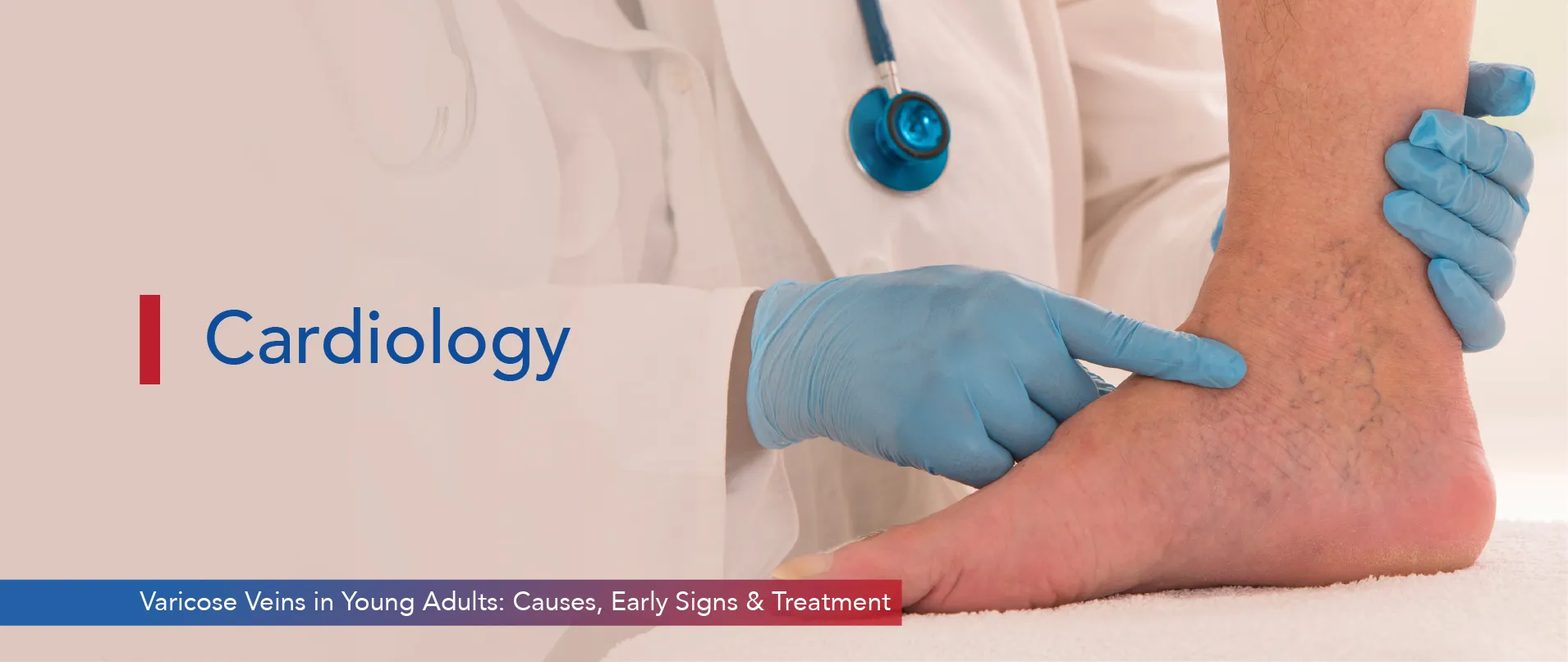
When you think of varicose veins, the first thing that may come to mind is older adults dealing with tired legs and bulging veins. But this is not always the case. Varicose veins in young adults are increasingly becoming common, and that too without any obvious warning signs. If you are a twenty or a thirty who is beginning to see visible signs of veins or even feel your legs getting uncomfortable now, then this topic is worth understanding in more detail.
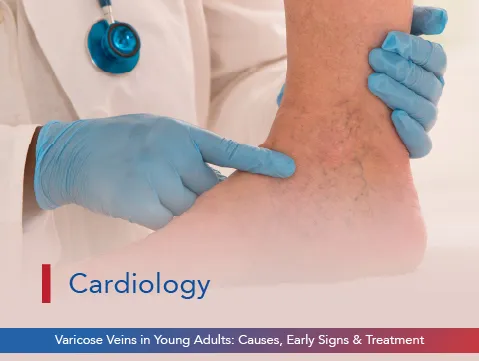
Veins transfer the blood from various parts of the body back to the heart. Inside your veins are tiny valves that ensure that the blood only flows in one direction. When these valves cease to function properly or become weak, blood starts to pool. This causes the vein to stretch, become twisted and become visible and enlarged. The result is what we commonly recognise as varicose veins.
These veins often appear swollen, dark purple or blue in colour, and may look like cords or ropes under the skin. While they mostly affect the legs and feet, in some cases they may appear on other parts of the body too. The reason legs are affected the most is that standing or walking increases the pressure in the lower body veins. Over time, this pressure makes the veins bulge out and lose shape.
Although varicose veins are generally linked with age, they may affect young adults as well. It is not just a cosmetic concern. The condition may cause discomfort or suggest underlying circulatory issues that need attention.
Let us first understand the major varicose veins cause seen in younger people.
Now let us look at the symptoms of varicose veins that may occur in young adults.
These early signs of varicose veins should not be ignored. Early attention allows you to take preventive measures and avoid complications.
If you are noticing discomfort or visible veins that are becoming worse with time, then it is helpful to explore available varicose veins treatment options. These may range from simple at-home strategies to procedures offered at specialised centres.
These approaches are safe and provide relief to those with advanced discomfort or long-term symptoms. The key is to begin early and choose what works best for your condition.
In young adults, the role of daily habits is significant. Even if you have a family history or already show signs, certain changes in how you manage your day may delay or ease the effects.
Not every case of varicose veins needs surgery. But there are situations where professional help becomes necessary. If your legs are painful, swollen or constantly heavy, then it is time to consult a specialist.
There are also complications to watch for. Skin ulcers near the ankle, hardening of the vein, blood clots or skin discolouration may suggest the condition is progressing. These may not be reversible through lifestyle changes alone.
In such cases, cardiologists in Bangalore or vascular experts across major cities can offer specialised treatment based on the severity of your case.
Varicose veins in young adults are no longer rare. Long hours of sitting, poor posture and weight-related pressure influence the condition [while genetics and hormones do play a role]. Paying attention to your body early helps prevent bigger issues down the road.
Early signs may be managed by improving circulation through walking, using compression stockings and avoiding sitting in one position for too long. A check-up helps rule out more serious issues.
You may notice bulging veins on your legs, swelling around the ankles, or aching and heaviness in your legs by the end of the day.
Stage 1 usually includes conservative care such as compression therapy, leg elevation, physical activity and dietary changes. These are done before considering any medical procedures.
Some signs may improve with daily movement, weight control and elevation. While you may not reverse the condition fully, its progression may be slowed significantly with lifestyle care.
3 Mins Read
Categories: Cardiac Sciences

Varicose Veins in Young Adults: Causes, Early Signs and Treatment is available for appointments. Please fill the below form to book an appointment.
Unlock the door to exceptional healthcare, book an appointment with SPARSH Hospital and let your journey to wellness begin.
Copyright © 2026 SPARSH Hospital, A Unit of Shiva & Shiva Orthopaedic Hospital Pvt Ltd.