Published in : Oncology | April 13, 2026 |
 Medically Reviewed
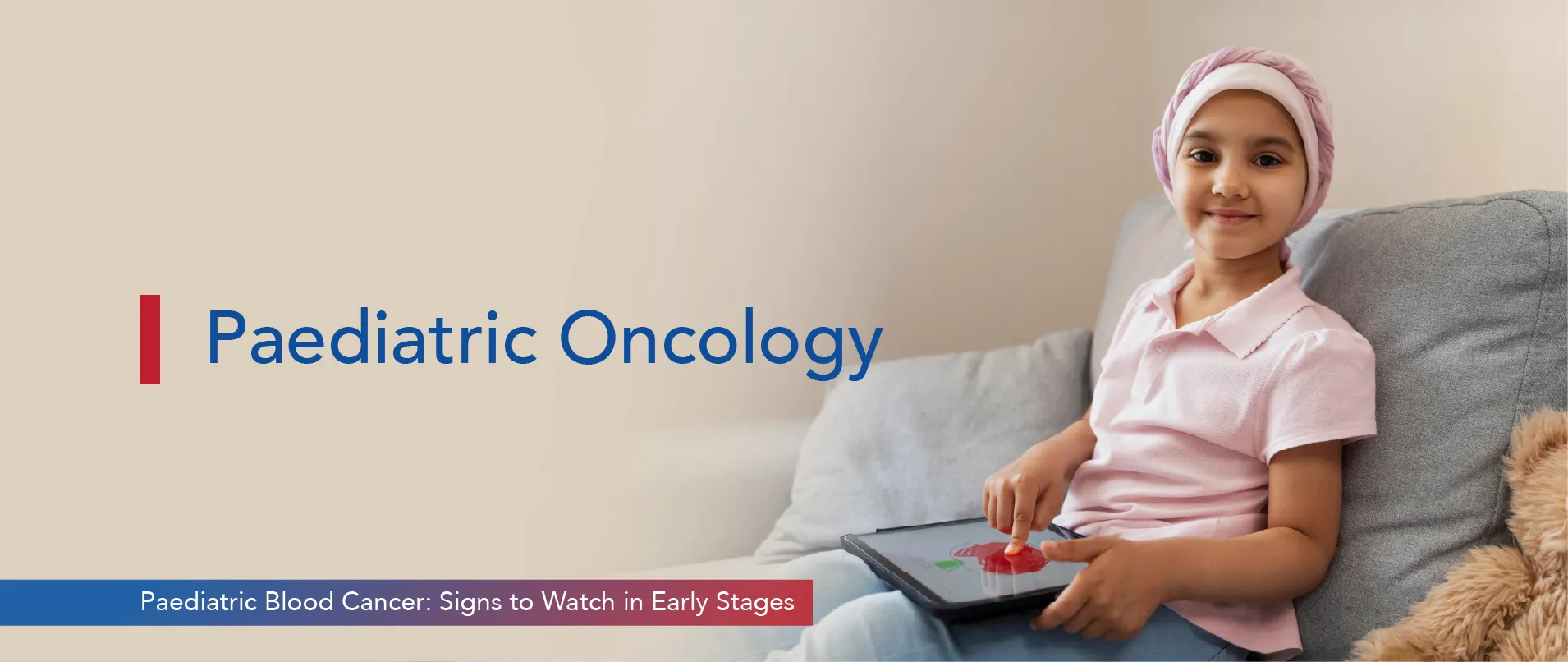
Could persistent fever, unusual bruising, or unexplained fatigue in a child be more than just a seasonal illness? While most childhood complaints resolve quickly, certain symptoms demand closer medical attention. Among the most serious yet treatable conditions are Paediatric Blood Cancer, a group of cancers that affect the bone marrow, blood cells, and lymphatic system.
Globally, childhood cancer remains a major health concern. According to the World Health Organisation (WHO), approximately 400,000 children and adolescents aged 0–19 years are diagnosed with cancer each year worldwide. Among these, leukaemia accounts for nearly 30% of all childhood cancers, making it the most common form of blood cancer in children. Encouragingly, advancements in paediatric oncology have dramatically improved survival rates. In many structured oncology centres, cure rates for certain childhood leukaemias exceed 80–85% when diagnosed early and treated promptly.
In India, rising awareness and improved access to specialised paediatric oncology services are contributing to better outcomes. Recognising the early signs of Paediatric Blood Cancer, identifying blood cancer symptoms in children, and seeking timely specialist evaluation are critical steps toward improving survival and ensuring effective intervention.
Blood cancers are malignancies that disrupt normal blood cell production. In children, these cancers typically originate in the bone marrow, the spongy tissue that produces red blood cells, white blood cells, and platelets.
The three primary types of blood cancer in children include:
Among these, Acute Lymphoblastic Leukaemia (ALL) is the most common type seen in paediatric cases. It develops when immature white blood cells multiply uncontrollably, crowding out healthy blood cells and interfering with normal immunity and oxygen transport.
Early symptoms may mimic common viral infections or nutritional deficiencies, often delaying suspicion. However, persistence and progression are key warning indicators.
Common Symptoms of Paediatric Blood Cancer include:
Parents may notice that their child tires easily, becomes unusually irritable, or complains of leg pain without an obvious injury.
Symptoms develop because abnormal cells replace healthy blood components:
Understanding these physiological mechanisms helps parents recognise patterns beyond routine illness.
In most cases, no clear cause is identified. However, certain factors may increase risk:
Importantly, lifestyle factors that contribute to adult cancers are rarely responsible in children.
Early diagnosis significantly improves treatment success. Medical evaluation begins with:
If abnormalities are detected, further testing such as bone marrow biopsy, immunophenotyping, and molecular studies may be required.
Delays in diagnosis can allow disease progression. Therefore, persistent symptoms lasting more than two weeks should not be ignored.
Treatment plans are individualised based on cancer type, stage, and risk profile.
The primary treatment modality is administered in carefully structured phases over several months.
Uses medications designed to attack specific cancer cell markers.
Enhances the immune system’s ability to identify and destroy cancer cells.
Considered in high-risk or relapsed cases. Modern paediatric oncology protocols focus not only on curing the disease but also on minimising long-term treatment complications.
Children undergoing treatment require close monitoring for:
Long-term follow-up is crucial for detecting potential late effects of treatment and ensuring sustained remission.
Parents should seek urgent medical care if a child develops:
Prompt consultation does not confirm cancer, but early investigation ensures appropriate reassurance or timely treatment.
With early diagnosis and structured treatment, the prognosis for many forms of Paediatric Blood Cancer has improved significantly over the past decades. Survival rates for Acute Lymphoblastic Leukaemia now exceed 80–85% in specialised oncology centres. Outcomes depend on early detection, timely initiation of Therapy, and access to multidisciplinary paediatric care. Prompt recognition of blood cancer symptoms in children remains one of the most powerful factors influencing recovery and long-term remission.
Paediatric Blood Cancer is a serious yet increasingly treatable condition when identified early and managed within structured oncology frameworks. Recognising the early signs of Paediatric Blood Cancer, observing persistent blood cancer symptoms in a child, and seeking timely medical evaluation significantly improve survival rates and long-term health outcomes.
At Sparsh Hospital, paediatric oncology care is delivered through a multidisciplinary approach that combines accurate diagnosis, advanced chemotherapy protocols, infection control, nutritional management, and compassionate family support. As a centre recognised among the Best Pediatric Hospitals in Bangalore, supported by some of the Best Paediatricians in Bangalore, Sparsh Hospital remains committed to delivering evidence-based, child-focused care that prioritises safety, early detection, and long-term recovery.
Acute Lymphoblastic Leukaemia (ALL) is the most common form of blood cancer in children, accounting for nearly 30% of childhood cancer cases worldwide.
Persistent fever, fatigue, pale skin, unexplained bruising, bone pain, and frequent infections are common early warning signs requiring medical evaluation.
Many paediatric blood cancers have high cure rates, particularly when diagnosed early and treated with structured chemotherapy and specialised oncology care.
Medical consultation is advised if symptoms persist beyond two weeks, worsen, or include bleeding, severe fatigue, or recurrent infections.
Most cases are not preventable as causes are often unknown, though early detection significantly improves treatment success.
Categories: Oncology



Paediatric Blood Cancer: Signs to Watch in Early Stages is available for appointments. Please fill the below form to book an appointment.
Unlock the door to exceptional healthcare, book an appointment with SPARSH Hospital and let your journey to wellness begin.
Copyright © 2026 SPARSH Hospital, A Unit of Shiva & Shiva Orthopaedic Hospital Pvt Ltd.