Published in : Cosmetology | March 9, 2026 |
 Medically Reviewed
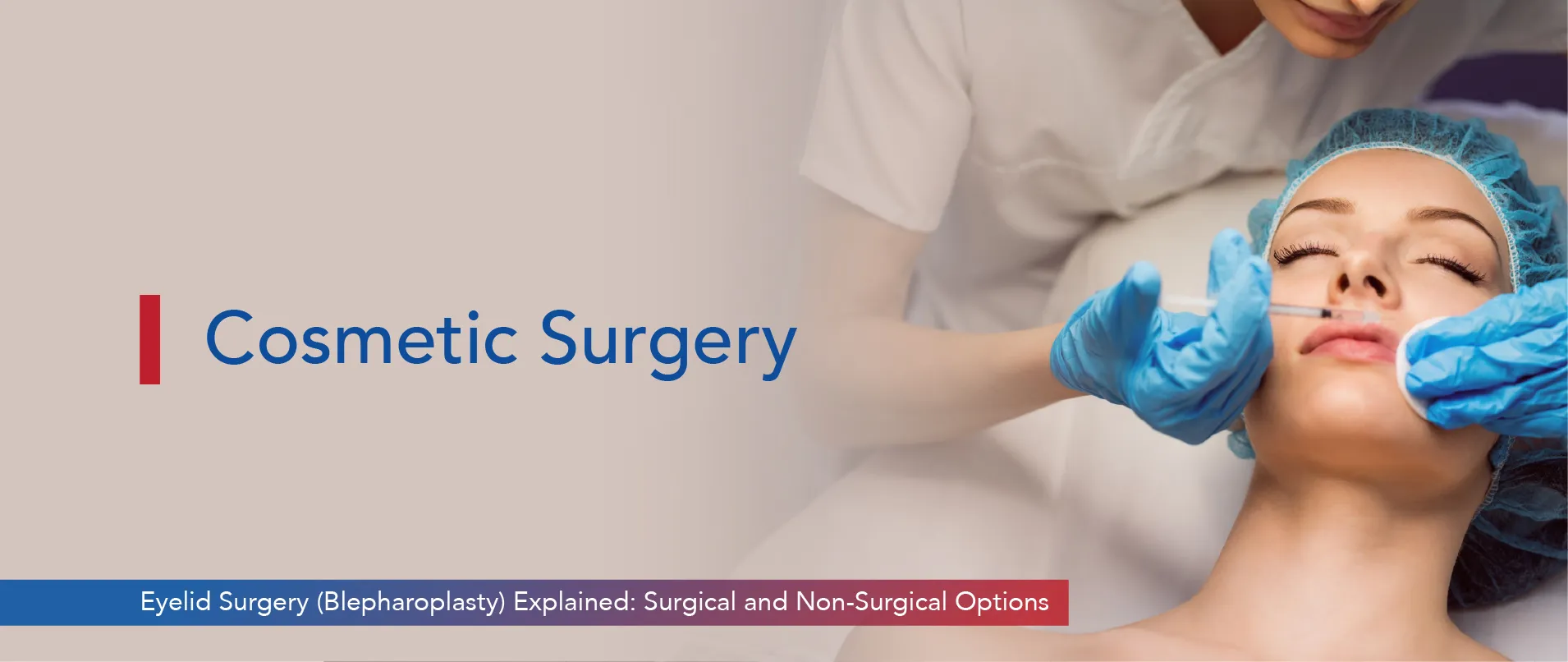
Do droopy or puffy eyelids make you look tired, or even affect your vision?
Changes around the eyes are common with age, and they can influence both appearance and comfort. Eyelid surgery, also known as blepharoplasty, is designed to improve sagging skin, excess fat, and eyelid contour while preserving natural eye function.
Some people choose this procedure for cosmetic reasons, while others seek relief from vision blockage or irritation caused by heavy lids. Understanding how blepharoplasty works and the available treatment options helps individuals make informed and confident decisions.
Blepharoplasty may be considered by individuals who experience structural or visual changes in the eyelids. People usually consider eyelid surgery for either cosmetic improvement or to correct functional problems.
As people age, the skin around the eyes may lose elasticity. Fat pockets may protrude, and muscle tone may weaken. These changes often result in droopy upper lids or puffy lower lids.
In some cases, excess skin on the upper eyelids may droop low enough to interfere with peripheral vision. This may lead doctors to recommend surgery to improve vision and comfort.
Loose eyelid tissue may rub against the eye or contribute to dryness. In such cases, the aim of treatment is to improve comfort rather than appearance.
Some people experience asymmetry between their eyelids or brows. Others may seek rejuvenation to restore balance or address early signs of ageing. A cosmetologist in Bangalore may suggest a personalised evaluation to assess whether surgery or a non-surgical approach is more suitable.
The blepharoplasty technique varies based on whether the upper or lower eyelids are involved. Each approach targets specific concerns using well-defined surgical plans.
This blepharoplasty procedure focuses on removing or reshaping excess skin and fat from the upper lid. The incision is placed in the natural crease to preserve function and create a natural contour. When brow droop contributes to lid heaviness, surgeons may recommend combined treatment.
Lower lid surgery addresses puffiness, sagging, and fat protrusion. The approach may be internal (transconjunctival) or external (subciliary), depending on the level of skin excess. Fat may be repositioned rather than removed in cases of hollowing or tear through deformity.
Blepharoplasty surgery may be paired with brow lifts, midface lifts, or fat transfer to enhance overall results. These decisions depend on facial structure and desired changes.
Each approach is planned to balance appearance with eyelid function while protecting the eye surface.
The blepharoplasty process begins with thorough planning and assessment. Contrary to common belief, blepharoplasty is not a simple skin-removal task. It is a precise procedure that balances aesthetics with eyelid mechanics.
Before surgery, doctors assess vision, eyelid structure, skin tone, and eye health. This helps ensure the procedure is planned safely and appropriately. History of dry eye, previous surgeries, or facial asymmetry must be considered.
The blepharoplasty technique includes marking incision lines while the patient is upright. This ensures symmetry and prevents excessive skin removal. Anaesthesia may be local or general based on the extent of the procedure.
During surgery, skin and fat are adjusted conservatively. The goal is to remove only what is necessary to preserve function. Fine sutures or skin adhesives are used to close the incisions.
After the blepharoplasty treatment, patients may experience mild swelling or tightness. Blinking and eyelid movement are checked to ensure normal function during healing. Follow-up ensures that healing progresses as planned.
The process is safe when performed by a trained blepharoplasty surgeon and planned with attention to detail. Many patients can return to light daily activities within one to two weeks, depending on healing.
Not all eyelid concerns require surgery. Some cases may benefit from non-surgical approaches, especially when early ageing signs or minimal structural changes are involved.
For hollow lower lids, injectable fillers can offer temporary volume improvement, while fat transfer may provide longer-lasting contour correction.
Laser treatments or chemical peels may improve surface texture and reduce fine lines. These treatments focus on the outer skin rather than deep structural tissue.
In selected cases, injections may help reduce muscle tension or lift the brow slightly. This option does not replace surgery but may improve mild drooping or asymmetry.
A cosmetology hospital in Bangalore may offer combined treatments including ultrasound tightening or radiofrequency-based lifting. These options are often temporary but helpful for specific goals.
Each method offers distinct benefits, but non-surgical options do not address all causes of eyelid changes. A personalized evaluation helps determine when to consider surgery.
Blepharoplasty benefits go beyond appearance. While the visual impact is significant, many patients report improvements in function, comfort, and confidence.
Removing excess upper lid skin may enhance peripheral vision and reduce the need to lift the brows constantly.
Smoother eyelid contours may reduce the look of tiredness or ageing. The eyes appear more open and alert, especially when combined with subtle reshaping.
Adjusting loose tissue or repositioning fat may relieve chronic rubbing or irritation around the eyes.
Many people feel more at ease in photos or professional settings after surgery. Restoring facial harmony often improves self-perception and interaction.
Unlike temporary fillers or peels, blepharoplasty offers long-term structural correction. Results are long-lasting, although natural aging continues over time.
These outcomes rely on individual anatomy, healing capacity, and expert planning. A consultation with a cosmetologist in Bangalore may help define realistic goals.
Blepharoplasty offers an effective solution for addressing sagging, puffiness, and eyelid discomfort while supporting natural facial balance. Whether the goal is to improve vision, enhance appearance, or relieve irritation, treatment plans are tailored to individual needs.
Whether choosing surgery or exploring non-surgical options, the blepharoplasty process should begin with thorough assessment and professional guidance. Well-executed blepharoplasty treatment combines safety, structure, and natural aesthetics for long-term satisfaction.
Blepharoplasty is considered a low-risk procedure when performed by a qualified blepharoplasty surgeon. Common blepharoplasty side effects include swelling and mild irritation. Serious complications are uncommon, and most patients experience only temporary swelling or irritation during healing.
Modern blepharoplasty techniques include transconjunctival fat repositioning and muscle-sparing approaches. These newer methods aim to preserve eyelid support and reduce visible scarring, especially for lower eyelid concerns involving puffiness and contour irregularity.
People with uncontrolled medical conditions, severe dry eye, or certain anatomical concerns may not be suitable for surgery. A detailed review is required before surgery. Some people may be advised to consider other options if surgery is unlikely to meet their goals.
3 Mins Read
Categories: Cosmetology











Eyelid Surgery (Blepharoplasty) Explained: Surgical and Non-Surgical Options is available for appointments. Please fill the below form to book an appointment.
Unlock the door to exceptional healthcare, book an appointment with SPARSH Hospital and let your journey to wellness begin.
Copyright © 2026 SPARSH Hospital, A Unit of Shiva & Shiva Orthopaedic Hospital Pvt Ltd.