Published in : Cosmetology | December 9, 2025 |
 Medically Reviewed
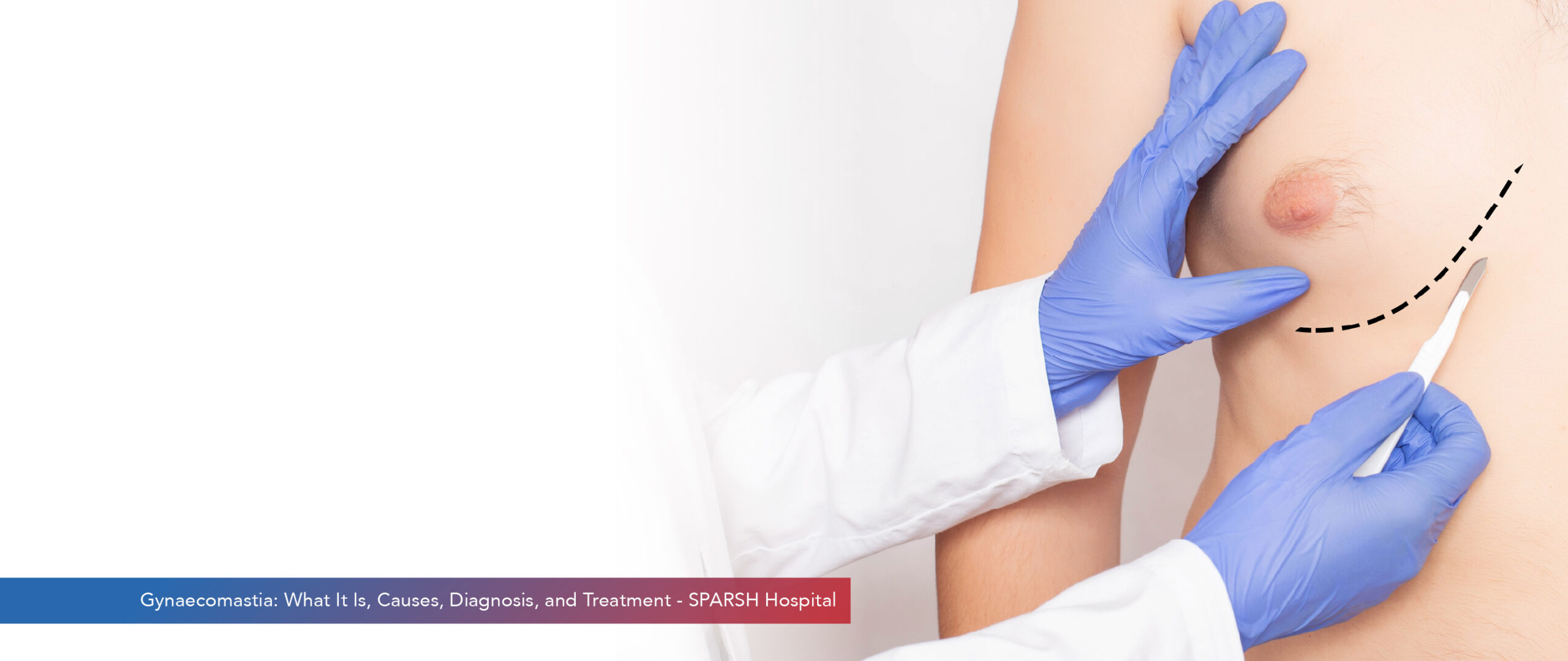
Gynaecomastia is a common medical condition that causes an increase in breast tissue in males. It can occur at any age and may often lead to emotional discomfort and low confidence. In this blog, we will explain what gynaecomastia is, its causes, diagnosis, and available treatment options in detail.
Gynaecomastia refers to the abnormal growth of breast tissue in males, leading to a noticeable increase in breast size. It results from an imbalance between testosterone and oestrogen. Although testosterone is considered the primary male hormone, all males naturally produce a small amount of oestrogen. When oestrogen levels rise or testosterone levels drop, breast tissue can grow, resulting in gynaecomastia. Due to this condition, men develop swollen or overgrown breasts.
Male gynaecomastia often develops during puberty and resolves naturally. However, it may persist in some individuals and require medical intervention. It can also develop in older adults due to hormonal changes or medications. Various factors can contribute to this hormonal imbalance, including puberty, certain medications, medical conditions, and lifestyle factors.
Understanding the causes of gynaecomastia is important because it helps determine the correct treatment approach. Here are some of the common causes of gynaecomastia
The most common cause of gynaecomastia is a hormonal imbalance. Oestrogen stimulates breast tissue growth while testosterone limits it. Thus, if there is an excess of oestrogen or a decrease in testosterone levels, it can lead to the development of gynaecomastia.
Adolescence is a key phase marked by hormonal fluctuations. Around half of adolescent boys experience temporary gynaecomastia due to increased oestrogen activity. Older adults may develop this condition as testosterone levels gradually decline with age.
Certain medications may interfere with hormone levels and contribute to breast tissue enlargement. These may include antiandrogens used for prostate issues, steroid-based medicines, some antidepressants, anti-anxiety medications, chemotherapy drugs, and heart medications. Anyone taking long-term medication and noticing breast changes should immediately consult a doctor.
Frequent and unregulated alcohol consumption may cause hormonal changes that lead to gynaecomastia.
Some medical conditions can disrupt hormonal balance. These include kidney failure, hyperthyroidism, liver cirrhosis, and tumours affecting hormone-producing glands. These conditions either reduce testosterone production or increase oestrogen, both of which can trigger breast tissue growth.
Excess fat can increase the conversion of testosterone into oestrogen. As oestrogen levels rise, breast tissue may enlarge. Obesity also leads to fat accumulation in the chest, which can worsen the appearance of gynaecomastia.
Breast enlargement is one of the most obvious gynaecomastia symptoms. Some other signs may also be present, such as:
Accurate diagnosis is essential to determine whether breast enlargement is due to true glandular growth or fat accumulation. Doctors follow a systematic approach that includes physical examination, medical history, and diagnostic tests. The following are some of the common tests that may be used to diagnose:
A physical examination is always the first step. During the exam, a healthcare provider examines the chest to feel for glandular tissue. In addition, they check for any signs of swelling, tenderness, or discharge. They ask you questions about your medical history, symptoms, and whether you are using any medication.
Doctors suggest taking blood tests to check hormone levels, liver function, and kidney function. Blood tests may measure hormone levels, including testosterone, oestrogen, and thyroid hormones. Any abnormalities often offer clues about the underlying issue.
Imaging tests such as ultrasound or mammography help distinguish between fat and glandular tissue. It is used to detect abnormalities in breast tissue. It also rules out rare but possible conditions such as male breast cancer. In complex cases, MRI scans may be recommended. Mammography is typically used for older men, while ultrasound is preferred for younger men.
During the initial imaging tests, if a lump is detected, then a biopsy is required to determine whether the tissue is cancerous or not. In case cancer is detected, further imaging tests and biopsies may be necessary to determine the extent of the cancer and the best treatment for it.
Gynaecomastia treatment depends on the cause, severity, and duration of the condition. Some of the common treatment options include:
This approach is appropriate for mild cases of gynecomastia where doctors recommend monitoring without immediate treatment. This is for teens or individuals with mild cases. Pubertal gynaecomastia often resolves on its own within six months to 2 years. In case the condition persists or worsens, further evaluation and treatment may be necessary.
In some cases, medicines may help, especially when the condition is detected early. Generally, doctors prefer medication treatment when the underlying cause is a hormonal imbalance, such as decreased testosterone levels or excessive oestrogen. Hormone-based medications such as selective oestrogen receptor modulators can reduce breast gland tissue. These treatments are more effective during the early stages and less effective in long-standing cases.
Doctors recommend surgery for moderate to severe gynaecomastia or when other treatments do not respond. Liposuction removes excess fat from the chest and is effective for cases with predominantly fatty tissue, while excision surgery removes glandular breast tissue and excess skin and is suitable for advanced stages where the tissue is firm and fibrous. A combination of both procedures may be used in some cases, which offers long-lasting results and improved symmetry.
Lifestyle modifications help in mild to moderate cases, especially when obesity is included. These changes include weight loss through a balanced diet, regular exercise, particularly chest and strength training, avoiding alcohol and recreational drugs, and stopping anabolic steroid misuse. Although exercise can reduce fat, it cannot shrink glandular tissue; therefore, results vary.
Gynaecomastia is a manageable and treatable condition when diagnosed early. Understanding its symptoms and causes helps individuals choose the right treatment approach. While lifestyle changes and medications may work in selective cases, surgery remains the most reliable solution for long-standing or severe gynaecomastia. For safe and effective outcomes, it is recommended to consult the best plastic surgeon in Bangalore and opt for the best plastic surgery hospital in Bangalore. Early evaluation not only ensures better results but also helps prevent emotional distress. With today’s advanced medical options, individuals can achieve both physical comfort and renewed confidence.
Yes. It is common in newborns, adolescents, and older adults due to natural hormonal changes.
Exercise can reduce chest fat, but cannot remove glandular tissue. True gynaecomastia may require medical or surgical treatment.
Yes. Modern surgical methods are safe when performed by qualified surgeons. The surgical techniques use small incisions and ensure safe, long-lasting results. Recovery is quick, and scarring is minimal.
Gynaecomastia rarely returns after surgery unless hormone imbalance, medication use, or steroid misuse continues.
Male breast cancer is rare. However, any hard lump, discharge, or rapid growth should be checked by a doctor.
3 Mins Read
Categories: Cosmetology













Gynaecomastia: What It Is, Causes, Diagnosis, and Treatment is available for appointments. Please fill the below form to book an appointment.
Unlock the door to exceptional healthcare, book an appointment with SPARSH Hospital and let your journey to wellness begin.
Copyright © 2026 SPARSH Hospital, A Unit of Shiva & Shiva Orthopaedic Hospital Pvt Ltd.