Published in : Women & Children | December 31, 2025 |
 Medically Reviewed
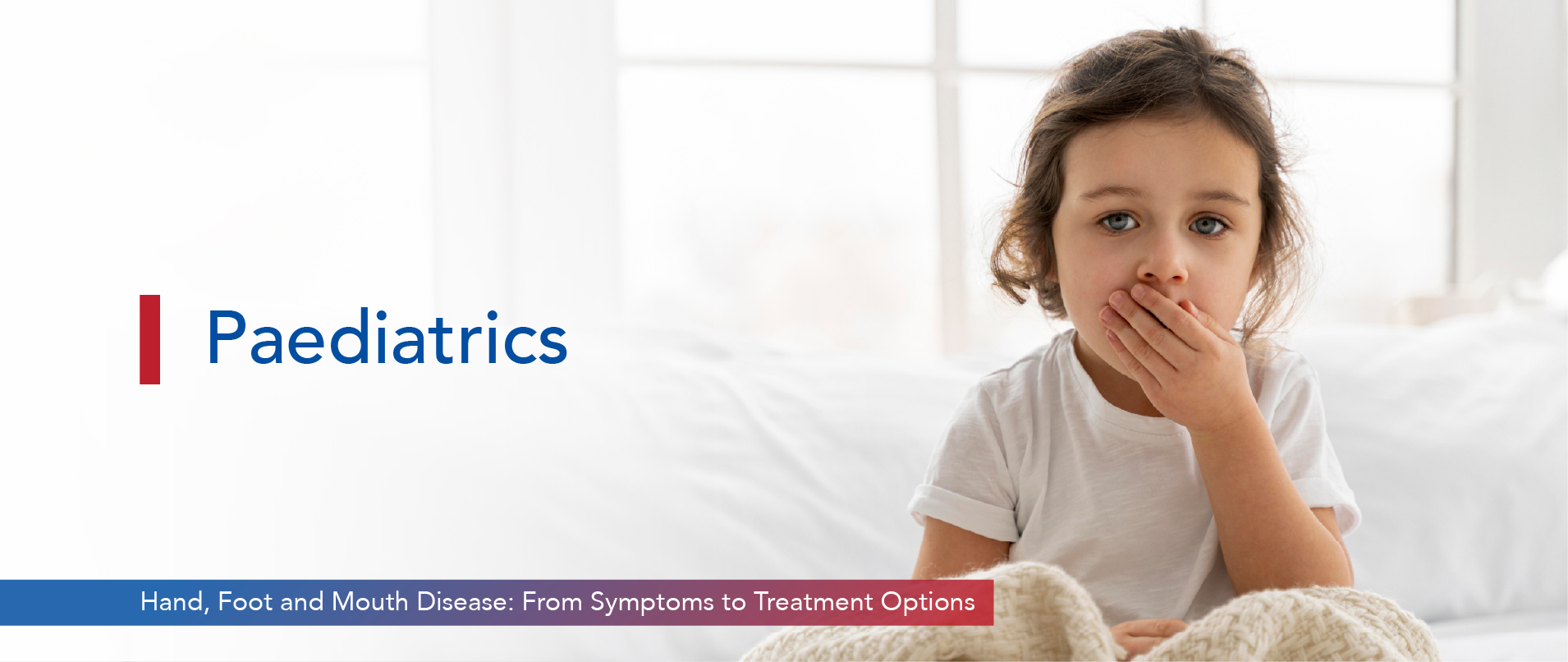
Hand, Foot and Mouth Disease (HFMD) affects millions of children globally each year. The condition is frequently mild but requires timely management to prevent complications. Most people associate HFMD disease with small children. However, the condition also occurs in adolescents and adults.
In recent years, several strains of the HFMD virus have caused outbreaks beyond traditional geographic boundaries. Understanding the early symptoms and causes of the disease helps in timely diagnosis. Exploring how the disease spreads also assists in breaking the chain of transmission. This guide explores the full clinical profile of HFMD from a diagnostic and treatment perspective.
HFMD is a common viral infection caused by non-polio enteroviruses. The condition affects the mouth, hands and feet. The disease typically spreads through contact with infected secretions, such as saliva, nasal fluids, stool, or blister fluid. HFMD virus often multiplies in lymphoid tissues of the throat or gastrointestinal tract before spreading to the bloodstream.
It may also reach other organs, such as the brain, heart, lungs, or skin. The illness is self-limiting in most cases. However, severe outcomes may occur when complications arise. The disease remains most prevalent among children younger than five years of age.
The signs and symptoms of hand-foot-mouth disease reflect viral replication and immune response. Early recognition helps prevent spread and supports timely care. Although mild in many cases, certain strains may produce more severe features.
Initial symptoms may include low-grade fever, fatigue and reduced appetite. These signs typically appear during the incubation period, which ranges from 3 to 6 days.
The earliest visible symptom is often a red rash inside the mouth. The lesions may evolve into painful ulcers on the tongue, inner cheeks or soft palate. These lesions may impair feeding and hydration in children.
Small red spots may appear on palms, soles and fingers. These lesions often develop into vesicles surrounded by a red halo. The blisters may break and crust, but usually heal without scarring.
In some cases, rashes also appear on the knees, elbows, genital area or buttocks. These are often more common in younger children.
Due to mouth ulcers, toddlers may drool more than usual. A sore throat may also contribute to swallowing difficulties.
In rare cases, the virus may spread to the brain or spinal cord, leading to complications such as meningitis, encephalitis or limb weakness. These features require urgent evaluation.
Understanding HFMD causes helps in preventing and managing the disease. The viral agents involved vary by region and outbreak severity.
This strain may result in more severe infections. Neurological symptoms such as aseptic meningitis or brainstem involvement may occur in some cases.
This is the most common HFMD virus identified in outbreaks. It causes typical oral and skin lesions but rarely results in complications.
These strains have been associated with atypical or extensive rashes. Lesions may appear on the face or trunk. Delayed nail shedding may also occur in some patients.
The virus spreads through faecal-oral, oral-oral or respiratory droplet routes. Children attending schools or daycare facilities face increased exposure risk. Transmission may also occur through contaminated surfaces.
Viral shedding in the stool may continue for up to eight weeks after the initial illness. This may prolong infectivity even after symptoms subside.
While HFMD disease affects people of all ages, some populations remain more vulnerable. Recognising the risk factors helps guide early diagnosis and infection control.
The immature immune response in toddlers and young children increases their susceptibility to the HFMD virus. The disease spreads rapidly within daycare and preschool settings.
Camps, schools and childcare centres are key environments for viral transmission. Direct contact with toys, utensils or surfaces further raises exposure risk.
Patients with weakened immune systems due to chronic illness or medication may experience prolonged or severe disease courses.
HFMD treatment begins with an accurate clinical assessment. Laboratory confirmation is generally not required except in severe or atypical cases.
Doctors diagnose HFMD based on physical signs such as mouth ulcers and skin lesions on palms or soles. A brief illness history supports the assessment. Rash pattern and fever progression offer further diagnostic clues.
In certain cases, PCR testing of throat or stool samples may identify the viral strain. These tests are rarely required unless the illness presents atypically.
There is no specific antiviral medication approved for HFMD disease. Treatment is symptomatic. Measures focus on relieving pain, lowering fever and maintaining hydration. Oral ulcers often cause decreased fluid intake, which must be monitored.
Children who exhibit signs of neurological involvement or cannot consume fluids may require inpatient care. Severe forms may involve the brainstem or heart and need continuous monitoring.
Infected children must be kept away from school or daycare during the acute illness. Disinfection of surfaces and hand hygiene are essential to reduce further spread.
Early intervention plays a central role in the management of hand, foot, and mouth disease. A medical consultation is necessary when symptoms deviate from the expected mild course. Children who exhibit excessive irritability, dehydration, persistent fever or sleepiness may require medical assessment.
Oral ulcers that cause severe feeding difficulty may lead to low fluid intake. Blisters that spread beyond the palms and soles may indicate atypical HFMD virus strains. Sudden limb weakness, twitching, unsteady gait or drowsiness may signal neurological complications.
These features should prompt immediate evaluation at a healthcare facility. Doctors may also review exposure risk if an outbreak is suspected. Although rare, complications may progress rapidly and must not be overlooked.
Hand, foot, and mouth disease remains a highly contagious viral illness that often presents with fever, painful mouth ulcers and rashes on the extremities. Most cases resolve without intervention. However, some strains may result in extended rash areas or neurological involvement. HFMD treatment is supportive, emphasising symptom relief and hydration.
Prompt recognition of serious symptoms may prevent complications. Hygiene and transmission control measures remain key in preventing new cases. While HFMD disease is self-limiting in most children, awareness and vigilance ensure safe recovery. Clinicians must balance reassurance with timely escalation if the clinical picture warrants further evaluation.
Recovery from HFMD is best supported by rest, adequate fluid intake and symptom relief measures. Early hydration helps prevent complications. Patients must avoid spicy or acidic foods that irritate oral ulcers.
The disease remains most contagious during the first week. However, the virus may continue to shed in the stool for several weeks. Proper hygiene is required during and after illness.
Regular handwashing, surface disinfection, and isolation of infected children help prevent transmission. Avoid sharing utensils or personal items during outbreaks. School exclusion may be required based on clinical advice.
Children below five years of age face the highest risk. Close contact environments and shared play items increase spread. Immunocompromised individuals may experience more severe symptoms or complications.
While symptoms often resolve within a week, stool shedding may continue for several weeks. A person is generally less contagious once all blisters have healed and the fever has subsided.
3 Mins Read
Categories: Women & Children

















Hand, Foot and Mouth Disease: From Symptoms to Treatment Options is available for appointments. Please fill the below form to book an appointment.
Unlock the door to exceptional healthcare, book an appointment with SPARSH Hospital and let your journey to wellness begin.
Copyright © 2026 SPARSH Hospital, A Unit of Shiva & Shiva Orthopaedic Hospital Pvt Ltd.