Published in : Cardiac Sciences | December 8, 2025 |
 Medically Reviewed
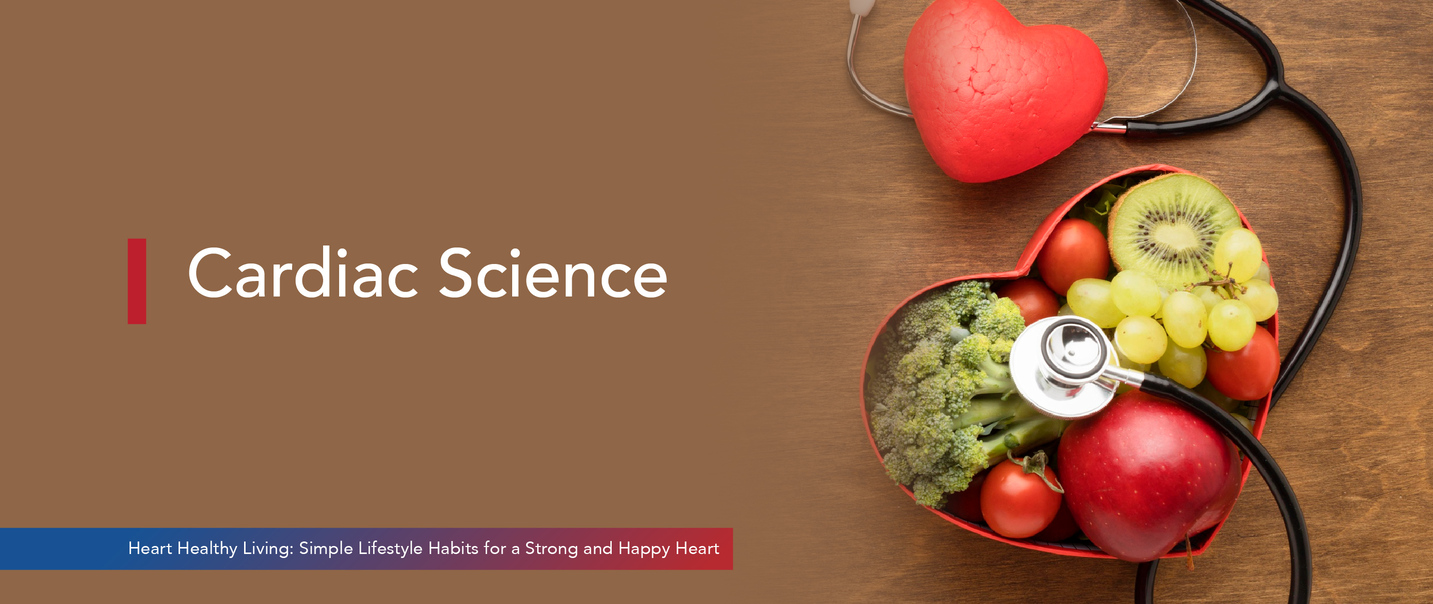
A healthy heart is the foundation of a long and fulfilling life. Your heart tirelessly pumps blood and oxygen to every cell, making it one of the most vital organs in the body. However, lifestyle habits, diet, and stress can significantly affect heart health. Fortunately, simple daily choices can go a long way in preventing heart diseases such as heart attack, coronary artery disease, and cardiovascular disease.
At SPARSH Hospitals, one of the best cardiology hospitals in Bangalore, our experts emphasise preventive care and lifestyle management as the first step towards a stronger heart. Let’s explore how you can keep your heart healthy with the right habits, diet, and mindset.
Your heart functions as the body’s engine circulating oxygen-rich blood and nutrients throughout your system. But factors like obesity, high blood pressure, smoking, diabetes, and lack of exercise can weaken this vital organ. Over time, these risks contribute to plaque buildup in arteries, leading to coronary artery disease and increasing the likelihood of a heart attack.
Understanding how lifestyle affects the heart helps you make proactive choices. The good news is that most cardiovascular conditions are preventable with early lifestyle modifications.
Heart disease remains one of the leading causes of death globally, but it’s largely preventable. By maintaining a heart healthy lifestyle, you can improve blood circulation, reduce cholesterol, and stabilize blood pressure. This not only prevents cardiovascular issues but also boosts overall energy, endurance, and mental well-being.
A healthy heart rate typically between 60 and 100 beats per minute for adults — indicates that your heart is functioning efficiently. Regular monitoring of heart rate, cholesterol levels, and blood pressure is essential to maintaining long-term cardiovascular health.
Knowing healthy heart symptoms helps you track your progress. A strong and happy heart is often characterized by:
If you experience fatigue, chest discomfort, breathlessness, or irregular heartbeats, consult a general physician in Bangalore or a cardiologist for timely evaluation.
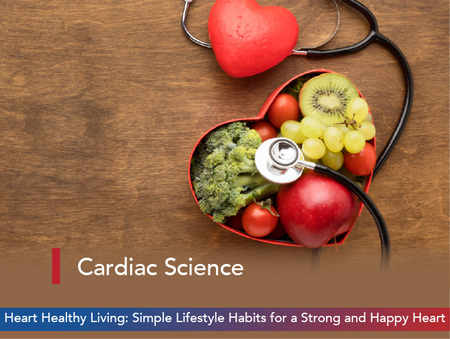
A heart healthy diet plays a key role in preventing cardiovascular diseases. Certain foods strengthen your arteries, regulate blood pressure, and lower cholesterol.
Fresh produce provides essential vitamins, minerals, and antioxidants that support heart function. Leafy greens like spinach, kale, and broccoli are particularly rich in potassium, which helps regulate blood pressure.
Replace refined grains with oats, brown rice, and whole wheat. Whole grains improve digestion and help control cholesterol levels.
Not all fats are harmful. Unsaturated fats found in olive oil, avocados, nuts, and seeds can improve good cholesterol (HDL) and reduce bad cholesterol (LDL).
Fish such as salmon, mackerel, and sardines are rich in omega-3s, which lower triglyceride levels and protect against irregular heart rhythms.
Too much sodium increases blood pressure, while excess sugar contributes to obesity and insulin resistance. Read food labels and avoid processed foods to maintain heart balance.
Drinking adequate water ensures proper blood volume and circulation. It also helps the kidneys eliminate excess sodium, supporting heart health.
By following a heart healthy diet, you can significantly reduce your risk of cardiovascular disease and improve your overall vitality.
Exercise to Keep the Heart Healthy
Regular physical activity is one of the most powerful ways to protect your heart. Exercise strengthens the heart muscle, lowers blood pressure, and improves circulation.
Brisk walking, swimming, cycling, or jogging for at least 30 minutes a day can enhance cardiovascular endurance.
Incorporating light weight training twice a week helps improve metabolism and muscle tone, supporting heart efficiency.
Yoga and stretching reduce stress and promote better circulation, which supports heart function.
Aim for at least 150 minutes of moderate-intensity exercise per week. Even simple activities like gardening or taking the stairs contribute to heart wellness.
In addition to diet and exercise, several daily habits can have a profound impact on your heart’s health.
Smoking damages blood vessels and increases the risk of plaque buildup. Alcohol, when consumed in excess, can raise blood pressure and lead to heart failure. Reducing or quitting these habits dramatically lowers heart disease risk.
Chronic stress triggers the release of cortisol, which raises blood pressure and cholesterol. Try relaxation techniques like meditation, deep breathing, or engaging in hobbies.
Excess body weight increases strain on the heart and can lead to coronary artery disease. Even modest weight loss can improve heart function and reduce disease risk.
Quality sleep (7–8 hours per night) is vital for heart repair and hormonal balance. Sleep deprivation increases blood pressure and stress hormone levels.
Regular check-ups can detect early signs of heart disease. Monitoring blood sugar, cholesterol, and blood pressure helps in timely intervention.
Prevention is always better than cure when it comes to heart attack and cardiovascular disease. Here are key preventive strategies:
A proactive approach towards heart health not only reduces medical risks but also enhances longevity and quality of life.
If you experience chest pain, dizziness, shortness of breath, or sudden fatigue, consult a healthcare professional immediately. Early evaluation can prevent complications such as a heart attack or stroke.
Residents of Bangalore can consult the best cardiologist in Bangalore at SPARSH Hospitals, renowned for its advanced cardiac care, diagnostics, and rehabilitation programs. The hospital also has experienced general physicians in Bangalore who can guide patients through preventive strategies and routine heart health management.
Adopting a heart-healthy lifestyle through nutritious eating, regular exercise, stress management, and medical check-ups can keep your heart strong and happy for years to come.
At SPARSH Hospitals, we believe prevention and awareness are the best medicines. Whether you are looking to maintain a healthy heart rate or recover from a cardiovascular disease, our specialists provide compassionate and comprehensive care. Small steps today can ensure a lifetime of heart health and happiness.
Foods rich in fiber, omega-3 fatty acids, and antioxidants — such as leafy greens, fish, nuts, and whole grains — support heart health.
Aim for at least 150 minutes of moderate aerobic exercise or 75 minutes of vigorous activity each week to maintain a strong heart.
Shortness of breath, chest pain, fatigue, and irregular heartbeat are warning signs that should not be ignored.
Yes, chronic stress increases cortisol and adrenaline levels, raising the risk of high blood pressure and heart disease.
SPARSH Hospitals is home to some of the best cardiologists in Bangalore, offering world-class cardiac care, preventive screenings, and advanced treatment options.
3 Mins Read
Categories: Cardiac Sciences











Heart Healthy Living: Simple Lifestyle Habits for a Strong and Happy Heart is available for appointments. Please fill the below form to book an appointment.
Unlock the door to exceptional healthcare, book an appointment with SPARSH Hospital and let your journey to wellness begin.
Copyright © 2026 SPARSH Hospital, A Unit of Shiva & Shiva Orthopaedic Hospital Pvt Ltd.